AION 2 Abyss: Points, Gear and PvP Tactics
The Abyss as the Home of Faction Warfare
The Abyss in AION 2 is a permanent PvPvE zone where Elyos and Asmodians fight over objectives, earn Abyss Points and hunt bosses. The Global version launched on October 5, 2026: it is free to play, available on Steam and PURPLE, and PC only for now. Here gear stops being a formality, and progress builds up over weeks.
The key thing to know up front is that gear is not normalized here. An enemy in high-rank equipment survives more hits and deals more damage, so results come from steady weekly runs rather than one lucky evening.
Entry Requirements and the Weekly Timer
Lower Reshanta, the first Abyss zone, opens at level 45 and 1,000 Item Level. At Global launch the level cap is 45, so this is the exact point where regular leveling ends and endgame begins.
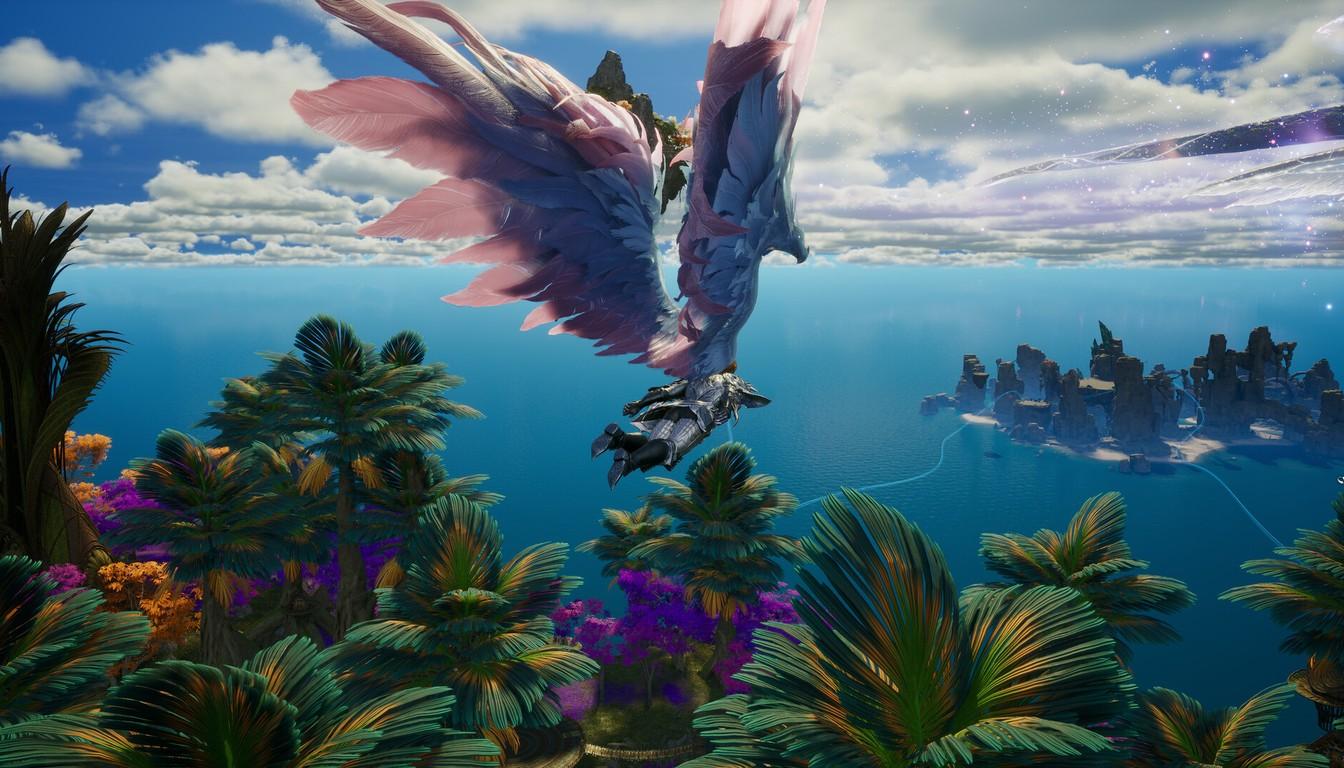
Abyss time is limited. Most guides put it at about 7 hours per week, but the in-game timer shows the real number, so check it before your first run. The timer returns on the weekly reset, which on Global servers falls on Wednesday at 07:00 UTC.
A cap like this rewards planning. While the clock runs, aimless flying around the map looking for lone targets gets expensive. Before you enter, check four things:
an endgame-ready build for your class;
the key Stigmas unlocked;
healing and recovery consumables;
confident flight control so you can leave a fight in time.
Abyss Points, Rewards and PvP Gear
Abyss Points (AP) are the main progression currency. You earn them through zone activities and spend them in the Abyss shop, mostly on equipment that raises your Item Level.
The main AP sources:
kills of enemy players;
Abyss Battle Directives;
seasonal weekly missions;
field bosses and Abyss bosses;
Artifact Siege;
Abyss Corridor activities.
The most efficient approach is stacking objectives. According to player reports, you can hold up to five quests at once, so pick ones that finish in the same part of the map. By the same reports, epic and rare quests beat common ones, so start with those.
The death penalty depends on the region. On the Korean and Taiwanese servers, AP loss on death was reduced in December 2025 and fully removed on February 11, 2026, and ranking point loss was lowered later. NCSOFT has not yet published separate Abyss Point rules for the Global version, so follow the in-game descriptions.
Abyss equipment comes in ranks: Decanus, Centurion and Tribunus, with one more top rank above them. Decanus can be bought with AP alone, while the next ranks need medals. Medals themselves are sold for points: per Korean data, Silver costs 10,000 AP, Gold 30,000 and Platinum 100,000, with weekly purchase limits. Exact Global prices may differ.
Regular visits matter because the timer refreshes once a week and medal purchases have weekly limits. Missed hours and limits do not stack, and your gear rank climbs exactly as fast as you earn AP.
Artifact Siege
Artifact Siege is a large-scale faction battle in Lower Reshanta. Three artifacts sit in Chaotic Lower Reshanta, and the faction that lands the final strike on an artifact's Dimensional Core claims it.
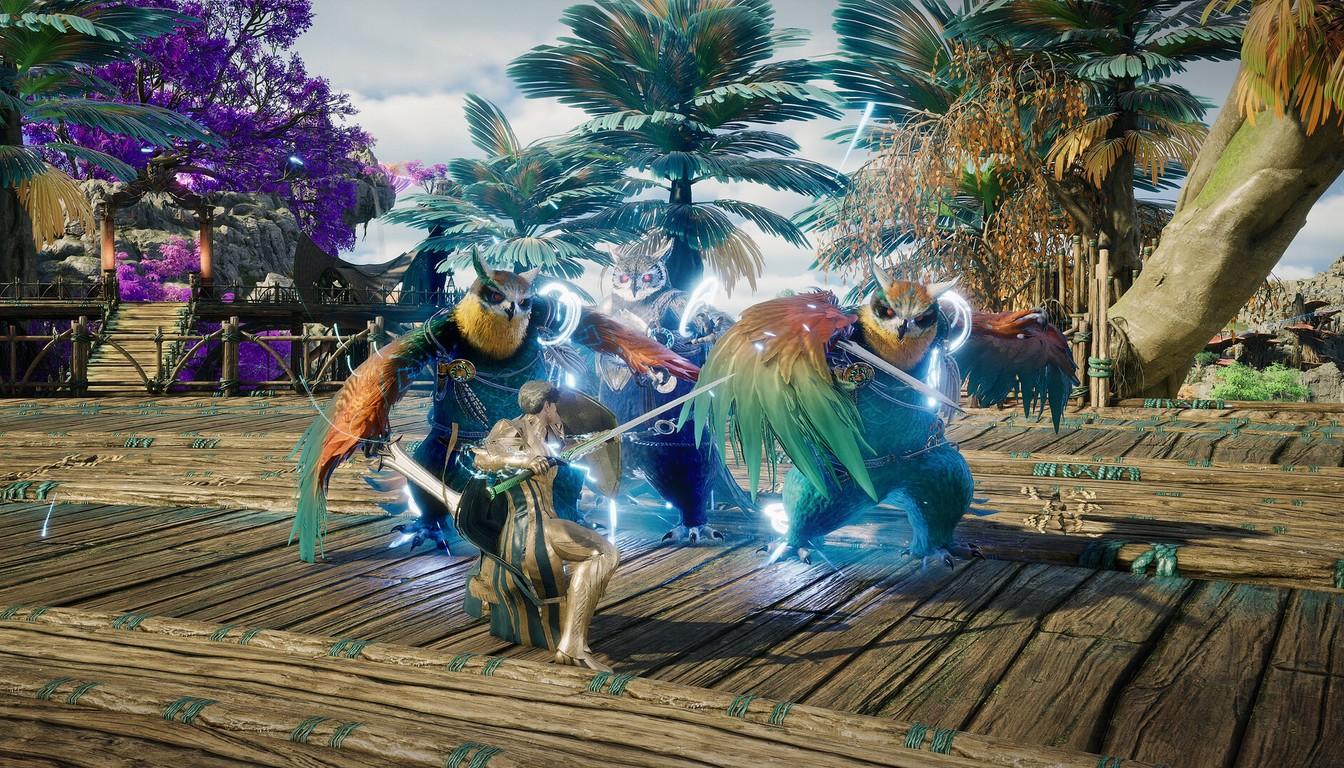
The payoff is measured in points: each artifact raises AP gain for the whole faction, +2.5% for one, +5% for two and +7.5% for three. Sieges also tie into the Abyss Corridor, which opens for the disadvantaged faction. Check the in-game calendar for siege times, since schedules differ by region.
A typical fight goes like this:
A group moves to the artifact.
The faction locks down the area around it.
Tanks cover healers and ranged players.
Damage dealers keep enemies away from the objective.
The game is vertical, so the sky matters as much as the ground. Do not chase those who fly away from the artifact: guarding or capturing the objective pays more than a single pursuit. Join a clan or at least a party, because solo players tend to get lost in the chaos. Large clashes can hit your GPU hard, so lower your graphics settings ahead of time.
Abyss Bosses and the Corridor
Abyss bosses are the PvE half of PvPvE. Both factions want the reward, so an ordinary boss fight can turn into an army clash within seconds. It is less organized than a siege.
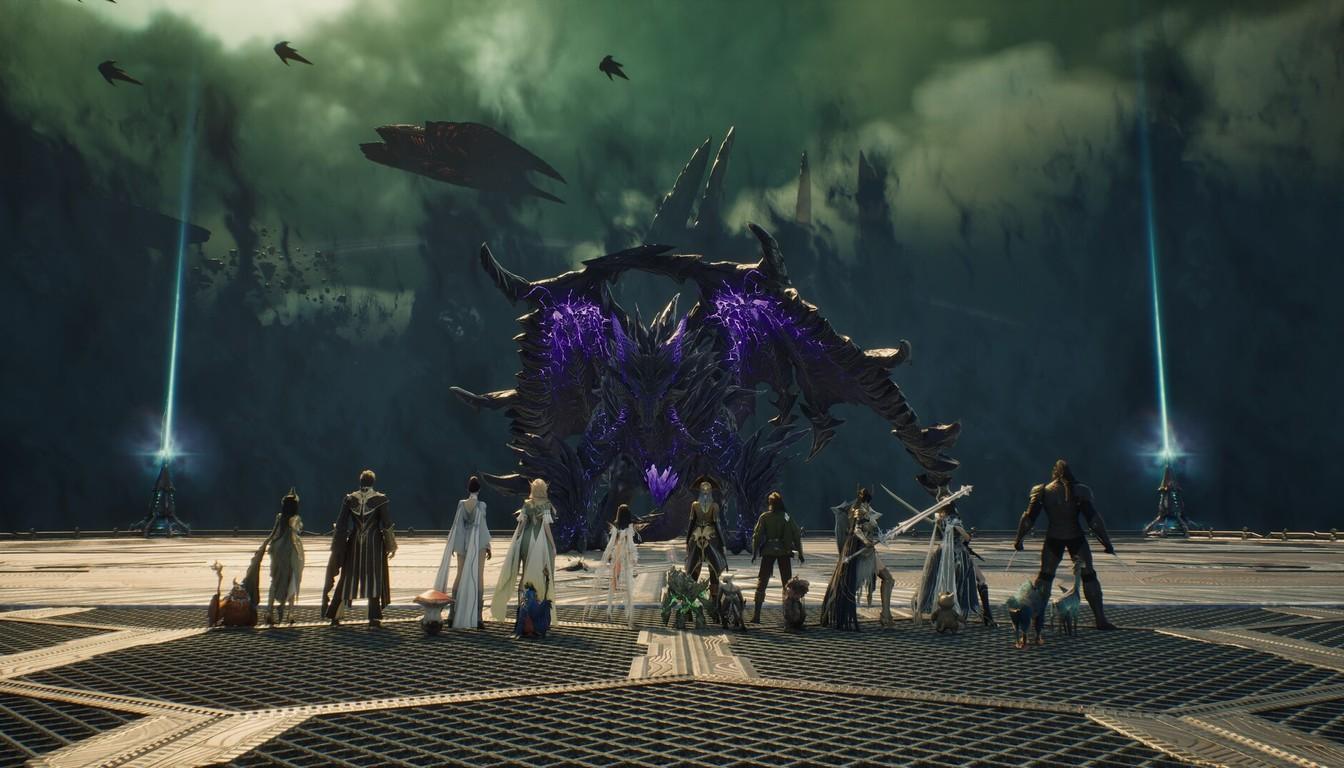
A group has three jobs at once:
dealing damage to the boss;
holding back enemy faction pressure;
protecting healers.
The most common mistake is tunneling the boss while an enemy group takes the position. If the ground belongs to them, fast boss damage means nothing: your team gets wiped before the reward. Assign part of the group to cover, then speed up.
The Abyss Corridor is an extra faction activity and another AP source. It is tied to artifact control and opens for the disadvantaged faction. On Korean servers the corridor rules were revisited in April 2026, so check entry conditions and duration in the game description.
Class Roles in Large Fights
Large faction fights reward area damage (AoE), mobility, healing and crowd control (CC). Small arena PvP values single-target burst more. Eight classes are available in the Global version and their balance will keep shifting, so the table below lists general roles, not a ranking.
Class | Role in the Abyss |
|---|---|
Cleric | Main healer, keeps the group alive |
Chanter | Group buffs, enemy debuffs, support |
Templar | Main tank, fight initiation, control |
Gladiator | Frontline durability, initiation, control |
Ranger, Sorcerer, Spiritmaster | Backline pressure, area damage |
Assassin | Burst damage, picking off isolated targets |
Any class can play here, but contributions differ. Assassins are built for single targets, so they usually pick off isolated enemies, such as healers behind the lines. You will not get far without your own healers, so protect them: the more fighters alive, the better the odds of taking an artifact or a boss.
Staying Alive in Group Fights
The Abyss rewards players who play around the faction objective. Kills come on their own if your group controls key points, while chasing a lone target away from your team usually ends in a trap of five enemies.
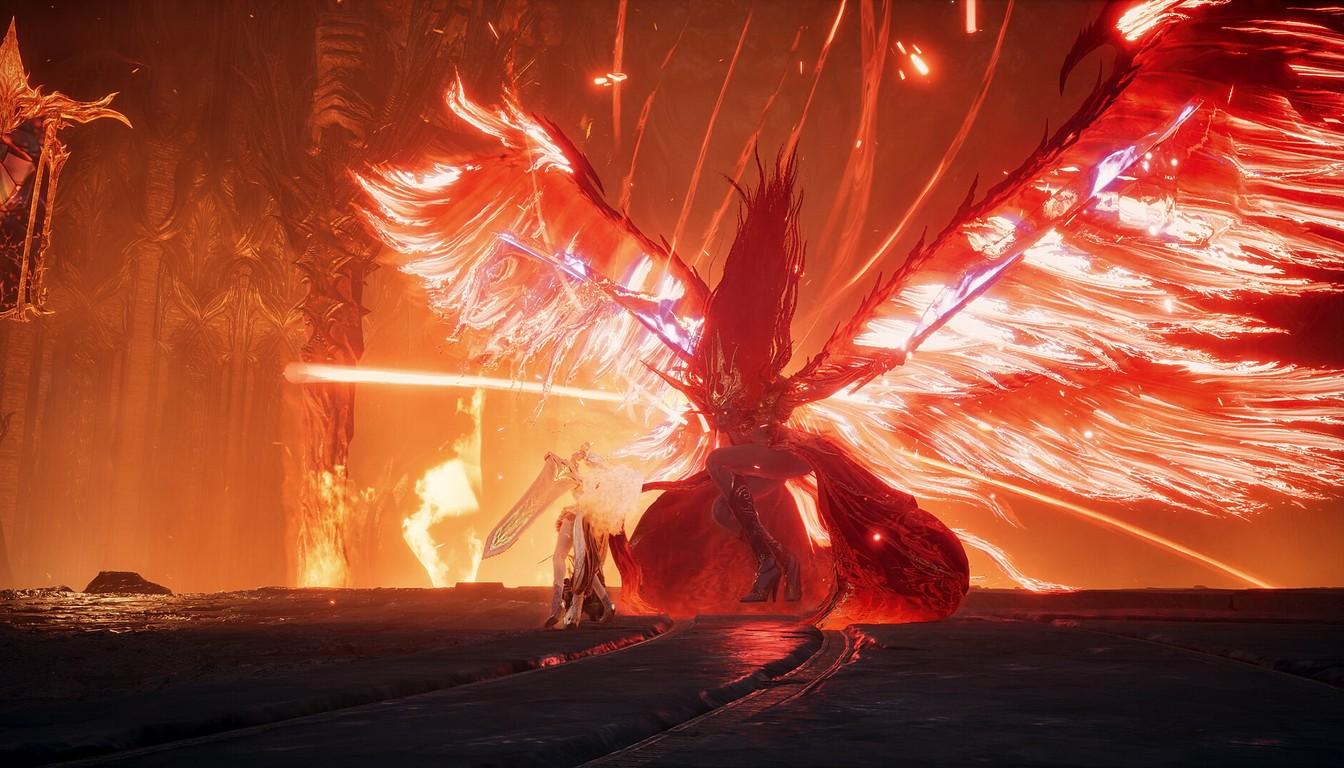
Verticality is part of the fight, not decoration. An enemy can attack from above, from below or from behind a floating chunk of terrain, so keep glancing up and around. Escaping by altitude saves you as often as healing does.
Stay with your group. A lone player is the easiest to focus, even if the enemy has no dedicated assassins.
Protect healers. Losing even one healer is felt instantly.
Save mobility for disengaging. Diving in at speed for a kill is tempting, but it often ends with a death and no escape.
Use the vertical space. Flight is for positioning and retreating, not only travel.
Fight at objectives. Fighting just to fight, with no objective, only drains resources.
Keep cooldown discipline. Do not dump every skill at once: most skills have an answer, so play it like rock-paper-scissors.
Do not chase to the end. Pursue a wounded target only if you are sure you can finish them fast, otherwise you let your team down.
The last point matters most. If one runaway drags you halfway across Reshanta, you already lost, even if you catch them. The Abyss is a team activity: listen to your squad leader and hold your position.