AION 2: Everything a Newcomer Should Know
What to know about the launch and where to start
AION 2 Global went live on October 5, 2026 as a free-to-play PC game on Steam and PURPLE. Founder's Pack owners got in from September 30, and the open Launch Scale test on September 17-18 (level 37 cap) is over, with nothing carried over. Steam concurrency peaked at roughly 400,000 on release night, so servers are busy and it pays to settle your server and faction right away.
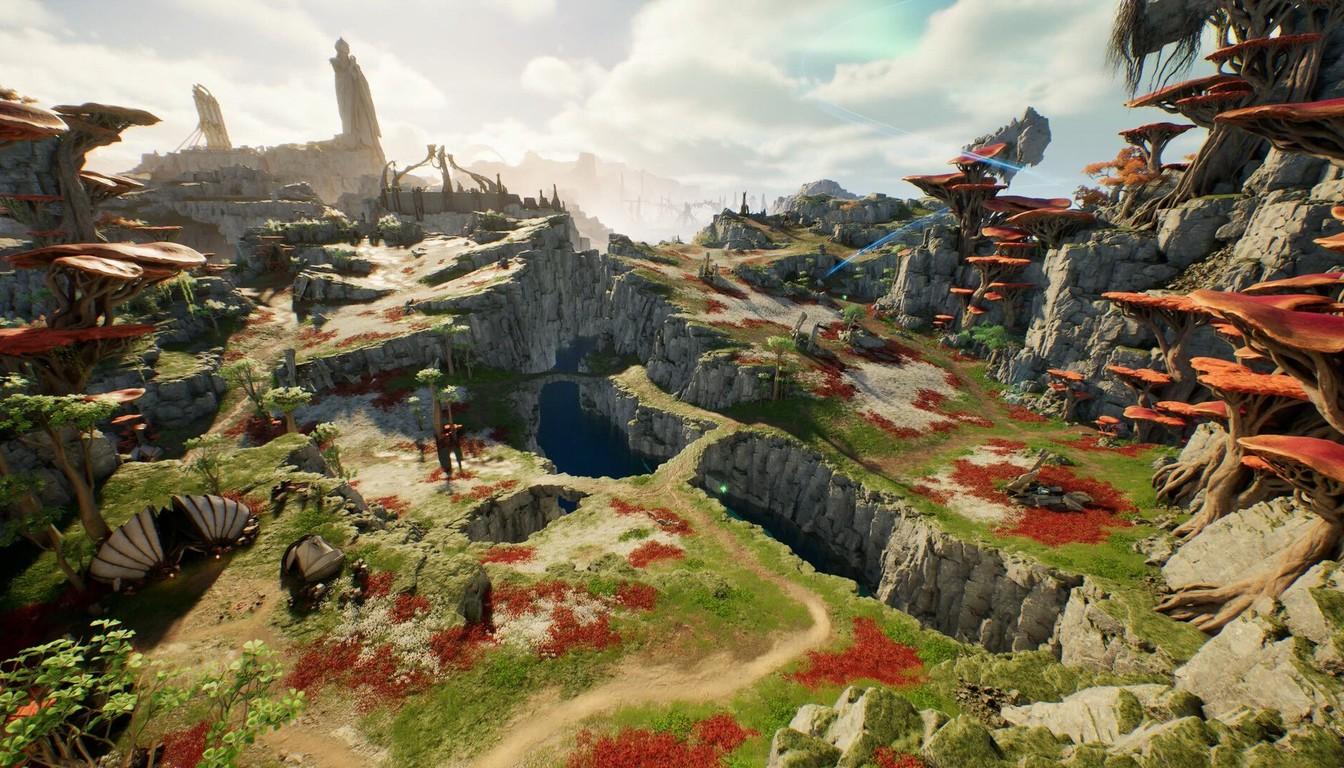
Agree on one server and one faction with your friends or guild before creating a character. Elyos and Asmodians follow different campaigns and explore different regions, and this decision is annoying to undo later.
A few facts shape your first weeks: the Global level cap at launch is 45, the top gear grade at launch is Unique, and there are no Heroic items in Season 1. There is no mobile version announced for Global, a console version is in the works, and PC crossplay is not confirmed.
Classes: who to pick as a newcomer
Global launches with eight classes. Brawler, the ninth class, arrived in the Korean and Taiwanese Chapter 1 update on July 1, 2026 and is not in the launch roster. Roles are the familiar ones, and the recommendations below are general advice, not a strict ranking.
Class | Role | Best for |
|---|---|---|
Gladiator | Durable melee fighter | A simple start solo and in a party |
Templar | Main tank | Defensive play and quick group invites |
Assassin | Melee burst damage | Experienced players who enjoy positioning |
Ranger | Ranged physical damage | Calm solo play and mobile combat |
Sorcerer | Ranged magic damage | Burst, area damage and crowd control |
Spiritmaster | Summoner and debuffer | Solo play with enemy control |
Cleric | Main healer | Safe leveling and high party demand |
Chanter | Support and damage hybrid | Players who want to mix support with damage |
If you are unsure, pick Gladiator: it forgives timing mistakes. Cleric and Templar find groups faster, and Assassin is better left for a second character.
Special Quai Membership and trading
The game is free, but its economy leans on the paid Special Quai Membership. It lasts 30 days, costs about $14.99 and is bound to the server where you buy it. Founder's Packs include 30 days of membership.
What the membership gives you:
buying on the Market: free players can still list items for sale, but cannot buy;
the Kinah-Quna Exchange;
Remote Storage and the Wind Breeze Merchant;
a higher Odyle Energy cap;
more choices when picking rewards from a Cube.
Direct item trading between players is not available in Global, so every deal goes through the Market. Do not spend all your Kinah in the first days, because prices are unstable in the first weeks. Membership is not cosmetic: without it you cannot buy on the Market, so it is close to essential if you play for the economy.
Character progression: skills, Stigma and Daevanion
Character power is more than level and gear. Skills, Stigma, Daevanion, titles, pets and regional rewards all add permanent bonuses, and skipping them leaves you behind players of the same level.
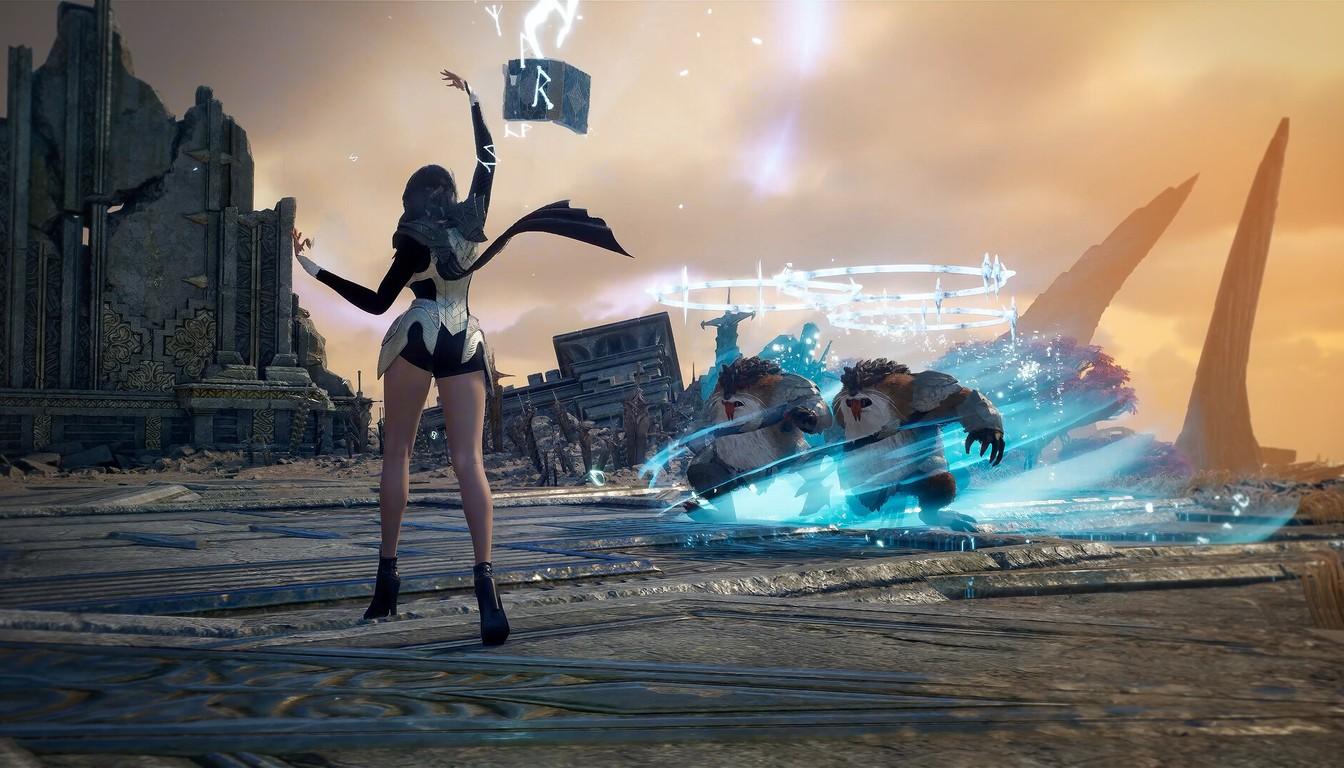
Skills follow a simple rule: put points first into your main damage or healing ability, then chain skills, then the key class mechanic and defense. Spreading points across the whole bar is a common mistake.
Stigma define your specialization. For PvE, build one reliable setup and upgrade only what supports your main rotation. A PvP setup makes sense only if you actually play PvP. Test any Stigma in practice before sinking rare materials into it.
Daevanion works as a board system that boosts combat stats and skill ranks. You do not need to finish the whole board at once: take nodes that help your skills. Materials come from region quests, Sealed Dungeons and exploration.
What to do in the game: PvE and PvP
There is content for solo play, parties and faction fights. Dungeon parties hold five players, and the first raid group holds ten. You will meet solo modes such as Sealed Dungeons, Nightmare Dungeons and Awakening Battles as you progress, while daily dungeons and Region Missions bring resources and permanent upgrades.
To keep your bearings, follow this order: the Main Story first, since it opens regions and systems, then Region Missions and solo dungeons whenever you need extra power. Take on group content once you have a stable Stigma setup.
PvP includes Arena, Battlefield, Rifts, the Abyss and open-world faction clashes. They give Abyss Points and dedicated rewards. Save the points until you see gear worth buying.
Transcendence, Eradication and Sanctuary appear in descriptions of the Korean version. Plan your Global start without counting on them: Global gets quality-of-life improvements, but not all the content Korea has added over the year.
Combat, flight and controls
Combat runs in real time: movement, skill chains, dodging and enemy attack patterns. Watch animations, not just health bars, and dodge right before a hit lands. Save defensive skills for dangerous mechanics and do not start long animations while standing in a danger zone.
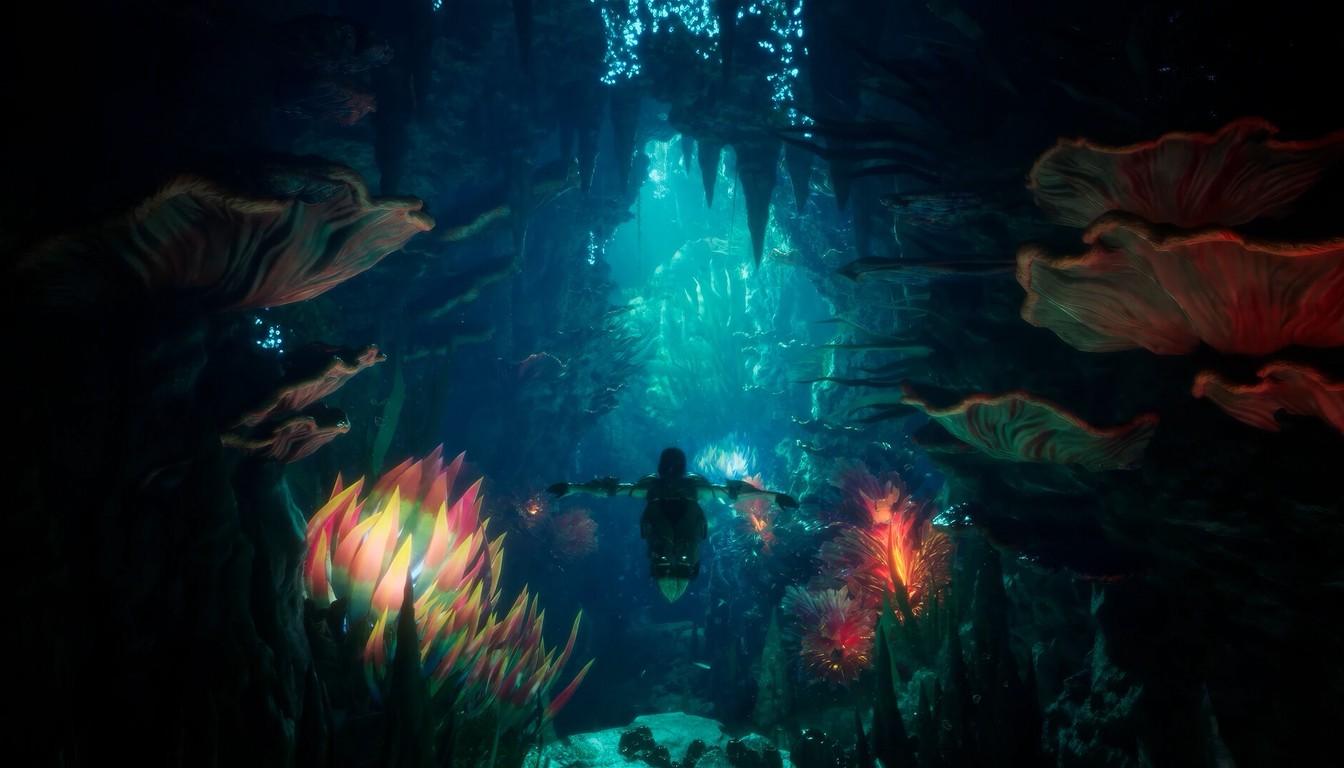
The default control mode uses action-style aiming. The classic AION 1 mode is toggled with the / command. If you prefer targeting with a right click, enable the Set Main Target on Right-Click Attack option.
Flight is limited by a resource bar. Check how much is left before a long trip and use wind currents, which are faster and safer than flying straight to a distant goal. Activate travel points in every new region and avoid landing in the middle of large enemy groups. Do not interrupt every quest for faraway resources: exploration should support your progress, not replace it.
Gear, resources and professions
Item Level opens access to activities, and Combat Power shows overall character strength, including gear, skills, Stigma and Daevanion. If you watch only Item Level, it is easy to miss weak spots in your build.
Upgrade your main weapon first. Move on to armor when survivability becomes the problem. Do not spend much on temporary pieces that will be replaced soon. Before spending rare materials, make sure the item will serve you for a long time.
Money is easiest to manage like this: put Kinah into upgrades that open content or solve a specific combat problem. Quna is for the Kinah-Quna Exchange, so do not chase it at the expense of progress. Odyle Energy has a cap that membership raises: do not let it sit at the limit, and spend it on rewards you actually need.
Gathering and crafting are not urgent. Pick up resources along the way, and invest deeper once you know which items your character really needs.
First-week plan and common mistakes
Your goal for week one is to open the main systems and reach repeatable content. A practical order:
Create a character on the right server and faction and set up your controls.
Finish the Main Story to unlock the main systems.
Spend your skill and Daevanion points and build one working Stigma setup.
Move into repeatable activities and claim time-limited rewards before free farming.
Save Kinah and avoid buying everything in sight.
The most common mistakes: a different server and faction than your friends, clearing every map before advancing the story, upgrading gear that will be replaced soon, missing daily and weekly rewards, spending all your Kinah on an unstable market, and ignoring dodge timing. Another trap is following outdated regional tier lists, since Global balance may differ.
If you remember only three things, make them these: one server with your friends, one reliable build, and limited rewards before endless farming.