Aion 2 Class Builds: Skills, Stigmas and Stats
What a build includes and where to start
Aion 2 launched globally on October 5 as a free-to-play PC game, and Steam concurrency peaked close to 400,000. The first thing new players should know is that a "build" here is not a preset you pick from a menu. It is a set of leveled skills, their specialties, passives and about four Stigmas. Arcana, Pantheon and Soulstones are usually not counted as part of a build: they are a separate layer of class development.
The level cap on Global is 45, and NCSOFT has said reaching it is not a problem. The real early goal is Item Level 1,000, which opens the Abyss. Your build should be in place by then, so choosing which skills to level matters more than chasing stats.
Specialties unlock at certain skill levels, most often 8, 12, 16 and 20. Almost every build comes down to one question: which skills do you push to the breakpoint where the right specialty appears? The picks below follow player descriptions, and exact numbers may shift with patches.
Templar and Gladiator on the front line
The Templar is the game's main tank, while the Gladiator usually plays off-tank. Both generate aggro through Enmity and gain bonuses from blocking, so survivability and damage both count.
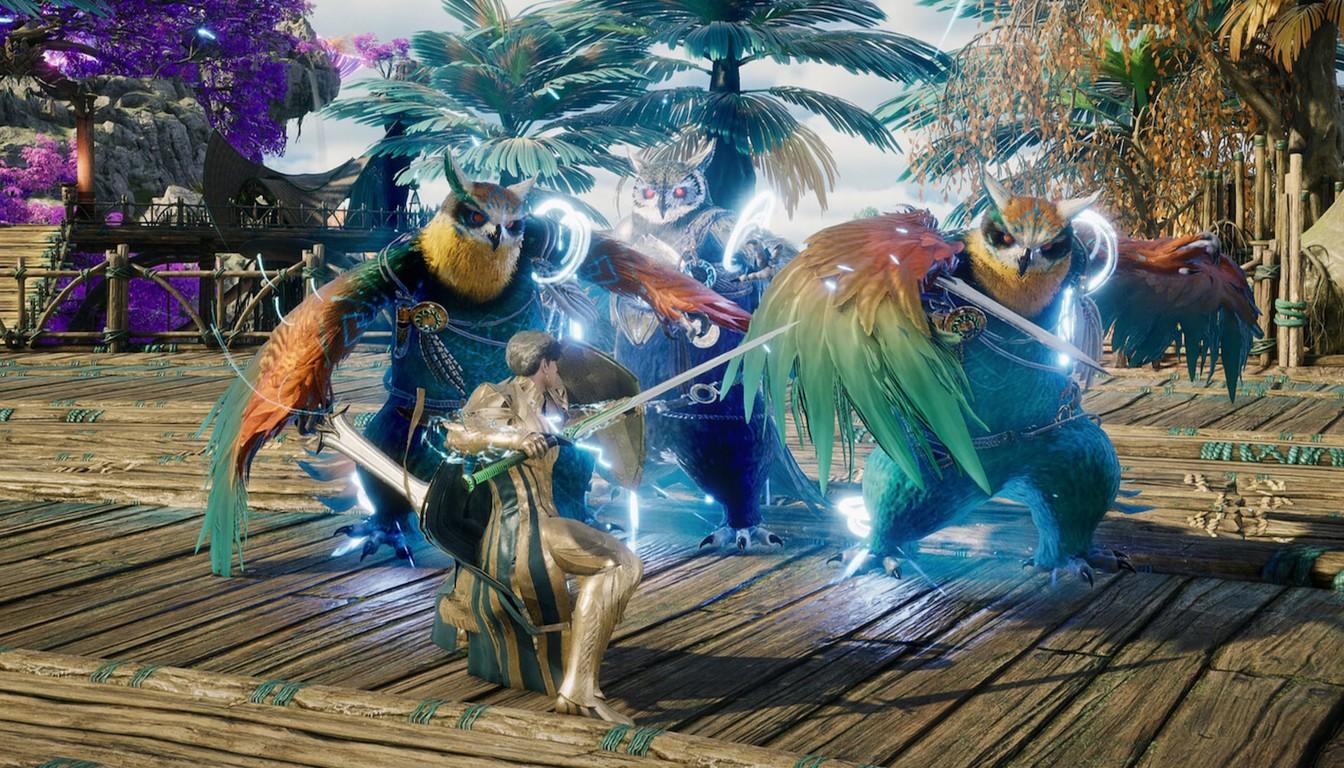
Templar. The build centers on Judgment, which triggers after shield skills. Players recommend taking Judgment to level 16 first, because its cooldown-removal specialty lets you use every trigger. Vicious Strike, Warding Strike, Shield Smite and Punishment follow. Among passives, Fury comes first, turning blocks into a damage buff for the whole party. Stigma picks are Doom Shield and Battlefield Banner, with Taunt as a situational choice.
Gladiator. Everything revolves around Overhead Slam and Rending Blow. Once both reach level 16, light attacks barely matter: Overhead Slam loses its cooldown and Rending Blow restores MP. The key Stigmas are Rage Burst and Focused Block, usually taken to level 5 before investing in Lunge Stance. The passives Experienced Counterstrike and Attack Preparation add damage on blocks and in regular combat.
Both classes are popular picks for beginners, but that is a player opinion. Some find the Gladiator easier, others prefer the Templar.
Assassin and Ranger for pure damage
The Assassin is a burst melee fighter that lives on crits and back attacks. Many players call it the top DPS class at launch, but rankings move with patches, so treat that as a snapshot. The key breakpoint is Heart Gore at level 16: it activates after a crit, and a specialty resets its cooldown on every new crit. Insignia Explosion and Quick Slice, also at 16, sit right behind it.
Exploit Weakness and Rear Smite are the priority passives. The first ties crits to Insignia marks, and the second boosts damage from behind, where the Assassin wants to be. The burst window uses Illusive Clone and Swift Contract, and Triniel's Dagger is typically taken to level 10 for the cooldown reduction.
The Ranger is a ranged fighter that players describe as the simplest DPS class, with short macro chains and steady buff upkeep. The priority is Deadshot and Gale Arrow at level 20, then Drill Dart and Snipe. Tempest Shot can stay at 16. Marking Shot grants Precision with a crit bonus, so refresh it before the effect ends. The first Stigma to push is Vaizel's Authority, whose higher levels let crits shorten skill cooldowns.
Sorcerer and Spiritmaster for magic damage
The Sorcerer is another easy ranged class, but it plays differently from the Ranger. The build runs on fire buffs and on shortening Hellfire's cooldown: each Firestorm projectile reduces it, and Wish of Concentration removes more seconds from all skills. The first level 16 targets are Wish of Concentration, Blaze and Flame Arrow, followed by Hellfire and Firestorm.

For the Sorcerer, mana works as a damage resource. The passive Grace of Enhancement loses value when MP drops below its threshold, and Robe of Earth also rewards a healthy MP bar. That is why early specialties often restore MP instead of adding damage. The main Stigma is Element Enhancement, activated manually before a fight.
The eighth class on Global is the Spiritmaster. Players describe it as a summoner that fights through spirits. Detailed builds for it are still scarce, so follow fresh recommendations after the next few patches.
Cleric and Chanter for group support
The Cleric is the only dedicated healer, yet the PvE build is not just healing. It is a ranged caster, and much of its value comes from debuffs and damage between mechanics. The Chain of Torment and Condemnation combo is the main damage source: the first applies the needed debuff and weakens the target's defenses against the whole party's PvE damage, the second hits marked enemies and resets its cooldown on a crit. Healing Light at level 16 covers the essential healing, and the remaining points go into damage.

The Chanter is a melee support fighter with a staff. It does not heal like the Cleric, but its buffs noticeably raise group damage. The build rests on Dark Crush, Spinning Strike and Impactful Crush: the latter two open the window for Dark Crush, and a cooldown-removal specialty lets you use every window. Attack Preparation and Earth's Promise are the top passives, and the main Stigma is Undefeated Mantra, which gives the party a damage and protection boost.
Both classes need to think about the group. Chanters and Clerics get invited to dungeons for their useful effects as much as for personal damage.
Stats and accuracy
The first line is the same in almost every recommendation: Accuracy up to the requirement of the content you run. After that, priorities diverge:
Templar: Combat Speed, then Attack and Damage Boost, then Block.
Gladiator: Crit, Double Chance, then Attack and Damage Boost.
Assassin: Crit, Back Attack Damage Boost, then Critical Damage Boost.
Ranger: Crit up to its requirement, then Attack.
Sorcerer: Cooldown Reduction, Combat Speed, Attack.
Cleric and Chanter: Combat Speed, then Crit and Attack.
These are guide authors' recommendations, not rules, and they give no exact Accuracy numbers. Rerolling stats on gear only makes sense once you are building a high item level. Until then, stats mostly come with the item itself.
Macros and respeccing
Macros are built into Aion 2 and are not mandatory. They cut down on button presses and let you chain several skills together. In most builds the basic attack stays on the left mouse button while a macro fires the main skill chain. Buffs, big cooldowns and anything tied to boss mechanics are better pressed by hand.
Sample chains from the builds above: for the Gladiator it is Rage Burst, Overhead Slam and Rending Blow; for the Assassin, Insignia Explosion, Heart Gore and Savage Roar; for the Cleric, Chain of Torment, Condemnation and Judgment Thunder.
According to player reports, the game has no build or loadout saving, so changing your setup means resetting skills and Stigmas by hand. It makes sense to decide on your breakpoints early and avoid spreading points across every skill.
Choosing a class that fits your style
If you want reliability and can live with modest damage, pick the Templar or Gladiator. If peak damage matters and you are ready to watch your positioning, look at the Assassin. For ranged play with few actions, choose the Ranger or Sorcerer, with the Ranger demanding less attention. Players who enjoy helping a group and finding parties quickly should consider the Cleric and Chanter.
Global Season 1 has no Heroic items, and the top gear grade is Unique, so do not plan around content that is not in the game yet. Get your class to the right skill breakpoints first, then move on to the item level race.