AION 2 Gearing Guide: From Enhancement to Transfer
What matters about gear right away
AION 2 launched on Global servers on October 5, 2026 as a free-to-play PC game, with a level cap of 45. The item upgrade menu looks intimidating at first: five tabs, and every attempt costs Kinah. The good news is that almost all of this work only starts at the cap.
An item in AION 2 is closer to a template. Base stats on different gear types are nearly identical, and real power comes from upgrades. So the key question is not how to upgrade, but which piece deserves your resources and in what order.
Some systems covered here (Heroic gear, enhancement steps from +15 to +20, Advanced Succession, Soul Bond) are known from the Korean and Taiwanese versions. In Season 1 of the Global version the top item grade is Unique and there is no Heroic gear, which is flagged below where it matters.
Tab | What it handles |
|---|---|
Growth | Enhancement level and related bonuses |
Manastone | Extra stats |
Theostone | Special on-hit effects |
Soul Binding | Stats and skill levels |
Transfer | Carrying progress from an old item to a new one |
Three gear types and what to wear before the cap
Gear falls into three groups: crafted gear for PvE, Abyss shop gear for PvP, and neutral dungeon gear.

The difference is minimal, a single stat line. PvP gear carries a PvP damage boost, crafted gear carries a PvE damage boost. Everything else that makes an item stronger comes from the upgrades described below.
The Abyss unlocks at level 45 and Item Level 1,000, and gear there is not normalized, so item quality directly affects fights. For a PvE player that means crafted and dungeon gear stay the core, and the Abyss is for people who go into PvP on purpose.
While you level, stay away from the enhancement window. The main story keeps handing out new items, and anything you invest in old ones is lost with them. That is player advice, and it holds up: resources matter more at the cap.
Enhancement, the main source of power
The Growth tab handles the enhancement level. From +1 to +10 success is guaranteed, and you only need Enhance Stones and Kinah.
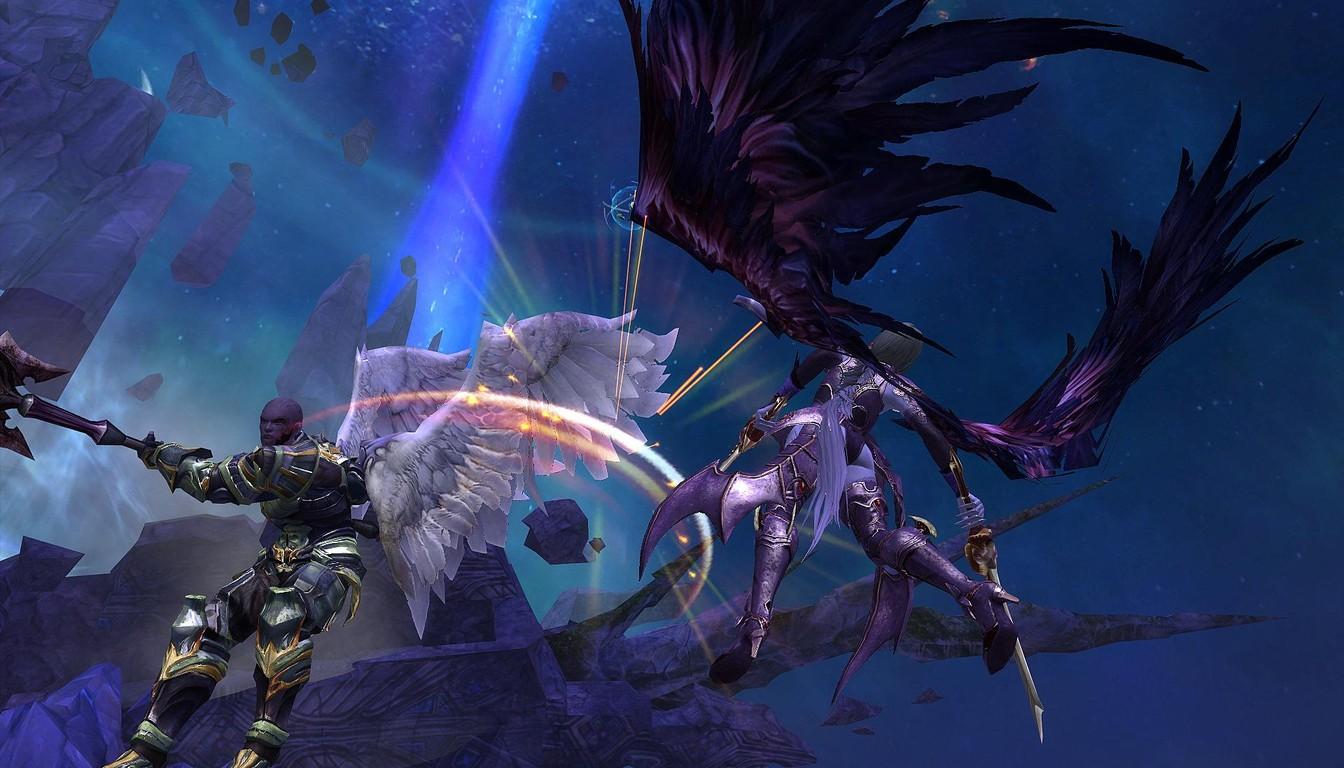
Stones come from dungeon reward cubes, Substance Morphing and disassembling spare gear. After +10 it turns into a gamble. By player calculators, between +11 and +15 the success chance on Unique items drops from roughly two thirds to about a fifth, and each failure adds a small bonus that resets after a success.
A failure does not destroy the item or lower its level. You only lose materials and Kinah, so the risk is economic. Unique gear is usually quoted as capping at +15. Further percentage-based steps are known for Heroic gear from the Korean and Taiwanese versions.
Your inventory (Cube) has an Item Extraction button. Per the in-game description it disassembles gear enhanced up to +10 into Enhance Stones and returns the stones you spent on it, though it costs Kinah.
Potential is separate. Per the in-game description, it provides the PvE damage boost on crafted and dungeon gear. Only invest in it on pieces you will keep for a long time.
Manastones, fine-tuning for your class
Manastones add extra stats to an item. Most pieces have several slots, and this is where gearing becomes class-specific.
Stones come in Lesser, Intermediate and Superior tiers, each with an Abyssal variant. Higher tiers can be crafted from lower ones through Alchemy: a handful of Lesser stones make an Intermediate one, and many Intermediate stones make a Superior one. Slot count depends on the item, and higher-grade pieces have more.
Imprinting a Manastone costs Kinah, and a stone you have set cannot be recovered. That is why expensive stones should not go on temporary gear.
What to look for:
Attack raises the base damage of abilities and also affects healing.
Accuracy helps overcome enemy Evasion and Block.
Critical Hit raises your chance to land critical attacks.
Combat Speed shortens animations and speeds up ability use.
Cooldown shortens skill cooldowns; many classes only need to reach a threshold rather than stack it endlessly.
Damage Boost and Double Chance add to final PvE damage.
Evasion, Block, Endurance, Regeneration suit defensive builds.
There is no universal priority. Use Manastones to fill the gaps in your own build instead of maxing every offensive stat.
Theostones, on-hit effects for weapons
Theostones go into weapons and give attacks a chance to trigger an extra effect. They are occasional procs rather than permanent bonuses: bonus elemental damage, Stun, Paralyze, Slow, Snare or a drop in Combat Speed.
In PvE they are usually minor next to your core stats, so do not build boss fights around them. In PvP it is different: a well-timed crowd-control proc interrupts an enemy or opens a window to strike.
According to player reports, proc chances vary widely, from one or two percent on the hardest-hitting effects to about a fifth of hits on weak damage procs. Exact values may differ in the Global version, so check the stone description in game. Weapons have a dedicated Theostone slot, while lower-grade gear may have none.
Soul Binding, stats and skill levels
Soul Binding is one of the most important customization systems. Each item has its own roll pool: weapons can roll offensive stats (Attack, Accuracy, Critical Hit, Combat Speed, Damage Boost, Multi-hit Chance, Back Attack and Front Attack bonuses), while armor and accessories roll defensive ones (HP, MP, Defense, Evasion, Block, Critical Hit Resist).
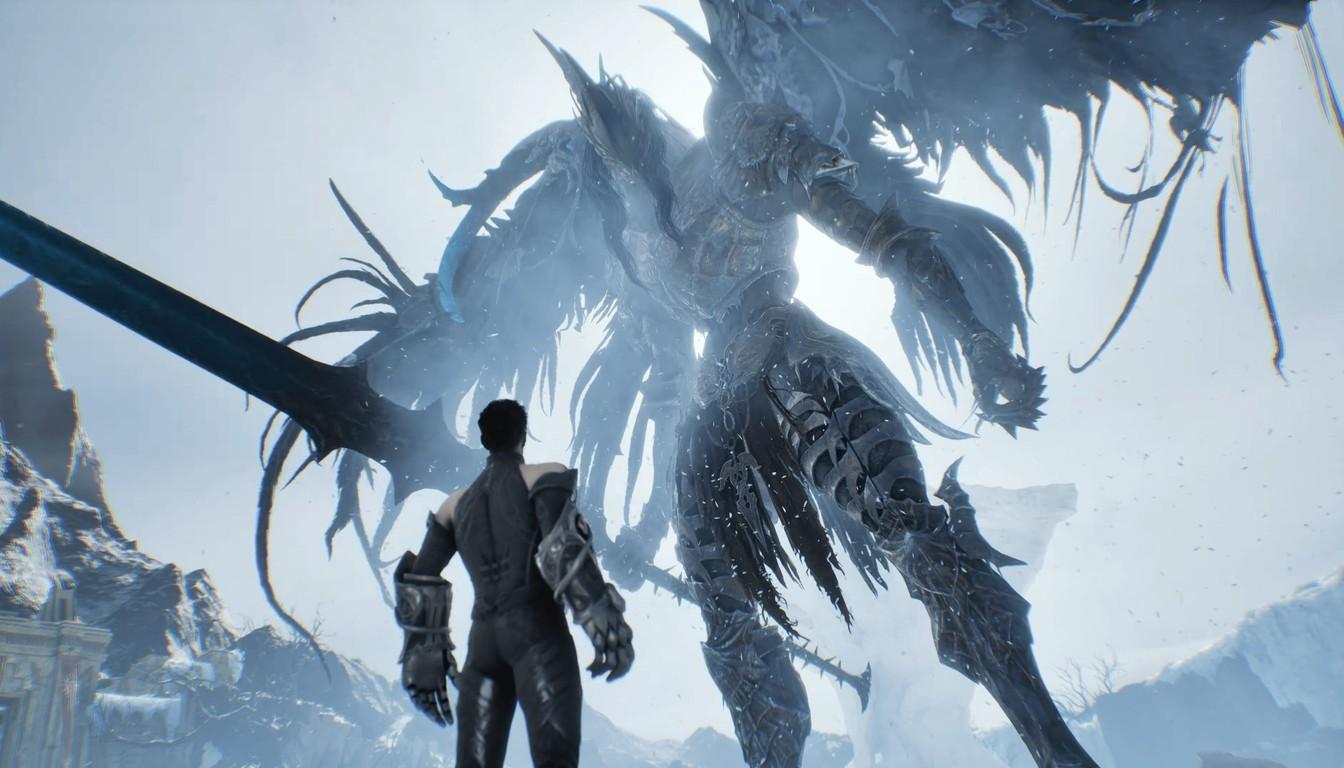
The most valuable results are skill rolls: some lines raise one of your class skills by +1 level. The number of lines depends on item grade, and lower-grade gear has noticeably fewer.
You are never locked into your first roll:
Sync lets you sacrifice another piece of gear to reroll one line, useful when most of an item is good except one stat.
Reset rerolls all the stats, and a separate menu shows possible values and the chance of hitting the maximum.
Bind pushes the chosen values toward the top of their range.
The order is simple: get the right stats first, then improve their values. Spending heavily on a weak setup you will reroll anyway makes no sense.
The Korean and Taiwanese versions also have a later step called Soul Bond. It unlocks after full engraving on Unique and Heroic gear and adds another effect. When and in what form it reaches Global is not known yet.
Transfer and succession
Transfer takes the sting out of replacing gear. Per the in-game description, Enhancement level, Breakthrough level and Soul Binding data move to the new item. Potential, Manastones and Theostones do not.
That means after replacing a dungeon piece you rebuild its Potential and re-socket its stones. Factor those costs in before you swap.
Succession Crafting is a related system: certain recipes let you use an old item as material and keep its enhancement, breakthrough and Soul Binding. The crafting interface shows which recipes support it and previews the inherited progress. The advanced version, which turns Unique gear into Heroic without losing progress, belongs to the Heroic content of the Korean and Taiwanese versions.
Some specialized items follow their own rules and may carry over only enhancement and breakthrough while keeping the target's own binding-type effects. Check the tooltip of the specific item before an expensive upgrade.
In what order to invest
While you work toward level 45, upgrade nothing: gear turns over too fast. At the cap, a sensible order looks like this.
Take the pieces you will actually keep to +10, where success is guaranteed.
Decide whether you need the Abyss. For PvE, crafted and dungeon gear is enough.
Set up Soul Binding: the right stats and skills first, values second.
Add Manastones for your class needs, but only on long-term pieces.
Pick Theostones mainly for PvP.
Before replacing an item, check what will transfer and decide if it is worth swapping now.
That way you waste less Kinah and fewer materials, and your investments outlast the next batch of story rewards.