Battlefield 6 Vehicles Guide – Master Every Tank, Jet, and Helicopter
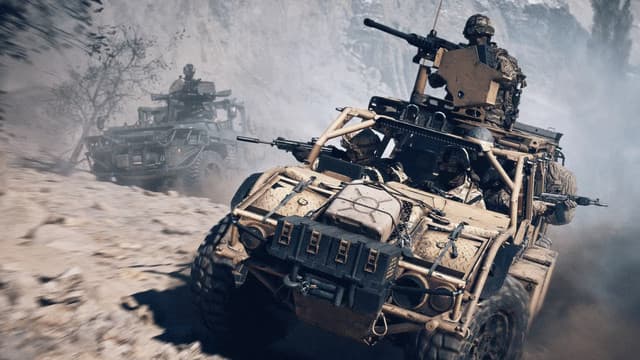
Battlefield 6 Vehicles Guide
Vehicles are the beating heart of Battlefield 6. This guide teaches you how to pilot, upgrade, and dominate with every ground and air machine in the game. Learn how tanks, IFVs, helis, and jets interact, which upgrades matter most, and how to counter every enemy vehicle. Whether you lead a squad push or soar above the frontlines, mastering vehicles is key to winning every match.

Battlefield 6 Vehicles Guide – Full Overview
Introduction
In Battlefield 6, vehicles define momentum. They are not simply transport—they are the core of offense, defense, and map control. Each chassis has a role, strength, and vulnerability, and the smartest teams exploit this balance to maintain dominance.
This guide explains how every vehicle type functions, the upgrades that change engagements, and the teamwork required to keep armor and air assets alive. Knowing when and how to deploy each machine can decide whether your team captures the map or gets trapped at spawn.
Battlefield 6 Vehicle Types
Battlefield 6 vehicles are divided into six major classes, each designed for a specific combat purpose:
Main Battle Tanks (MBTs): heavily armored juggernauts that crush resistance and hold objectives.
Infantry Fighting Vehicles (IFVs): agile support units built to transport troops and counter light armor.
Mobile Anti-Air (MAA): fast platforms equipped with cannons and missiles that protect allies from aircraft.
Attack Helicopters: devastating aerial strike craft ideal for clearing squads and armor clusters.
Jets (Attack & Fighter): high-speed aircraft that either dominate the skies or annihilate ground targets.
Transport Vehicles: essential for rapid redeployments, troop movement, and map rotation control.
Vehicles spawn from base timers, captured objectives, or call-in menus depending on the mode. Availability can always be checked in the deploy interface before spawning.
Battlefield 6 Vehicle Type Characteristics
Every vehicle in Battlefield 6 fits into a defined ecosystem of power, speed, and teamwork. The table below summarizes their primary use cases and optimal targets.
Vehicle Class | Seats | Primary Role | Best Used Against |
|---|---|---|---|
Main Battle Tank (MBT) | 2 | Heavy Assault | Enemy armor, clustered infantry |
Infantry Fighting Vehicle (IFV) | 6 | Infantry Support | Light vehicles, exposed infantry |
Light Ground Transport | 5 | Rapid Mobility | Flanks, quick insertions |
Mobile Anti-Air (MAA) | 1 | Air Defense | Helicopters, jets |
Attack Helicopter | 2 | Air-to-Ground Strikes | Tanks, infantry clusters |
Transport Helicopter | 5 | Troop Movement | Squad drop-offs, support fire |
Attack Jet | 1 | Ground Strikes | Vehicles, fortified targets |
Fighter Jet | 1 | Air Superiority | Enemy air units |
Each platform complements the others—tanks push, IFVs escort, AA defends, aircraft strike, and transports sustain the flow of reinforcements.
Battlefield 6 Vehicle Tier List
Not every machine in Battlefield 6 performs on equal footing. Some dominate across nearly all modes and maps, while others fill niche tactical roles or struggle against coordinated opposition. Below is a performance-based tier list reflecting their general strength, versatility, and impact in live matches.
Tier | Vehicles |
|---|---|
S-Tier | M77E Falchion, Panthera KHT, Cheetah 1A2, GE-26 PAX, F-39E, F-61V |
A-Tier | M3A3 Bradley, STRF 09 A4, M1A2 SEPV3, LEO A4, F-97 Kestrel, SU-57 |
B-Tier | Glider 96, Vector |
C-Tier | Rugged MV740, UH-79 |
S-Tier vehicles dominate matches through raw power or flexibility. A-Tier machines are dependable and situationally excellent. B and C-Tier entries are functional but often require skilled pilots or specific scenarios to shine.
Balance updates and patches may shift rankings, but this snapshot captures the current meta of Battlefield 6’s combined arms warfare.
Battlefield 6 Vehicle Upgrades and Customization
Customization defines how far you can push a vehicle’s performance. Battlefield 6 allows players to personalize each chassis with unique weapons, countermeasures, and passive modules. These modifications drastically alter survivability and offensive capability, transforming default machines into specialized war assets.
Common customization categories include:
Primary & Secondary Weapons: Cannons, miniguns, missiles, or bombs, depending on the platform.
Defensive Gadgets: Smoke launchers, APS/Trophy Systems, flares, or jamming fields.
Utility Gadgets: Radar sensors, repair tools, spotting drones, and signal countermeasures.
Upgrade Modules: Reinforced Armor, Emergency Repair, faster turret rotation, or mobility boosts.
Each unlock requires vehicle-specific experience, earned by driving, gunning, repairing, or assisting. The more you stay active in a given vehicle, the faster new components become available.
Customization Strategy
Pre-Match Preparation: Always check the map layout before customizing. Wide-open maps favor AA and long-range setups; urban maps reward survivability and close-quarters builds.
Adapt Mid-Match: Don’t stick to one configuration. Battlefield 6 allows loadout swaps at respawn. If the sky fills with jets, switch to MAA. If armor pushes hard, deploy an IFV or tank build with extra protection.
Synergize with Teammates: A single vehicle is strong, but a tank with a Support’s repair tool or a Recon’s spotting drone becomes exponentially deadlier.
The correct customization doesn’t just improve stats — it changes how your squad functions as a unit.
Battlefield 6 How to Use Vehicles
Vehicles are powerful, but reckless usage wastes their potential. Understanding how to spawn, position, and survive is crucial for consistent impact.
Spawning Vehicles:
Access the deploy menu, view available machines around your base or captured flags, and choose to spawn directly into one. Alternatively, enter a vehicle already in play by interacting with it in the field.
Usage Fundamentals:
Play Your Role: Tanks break defenses; IFVs support infantry; AA denies the sky; transports move squads. Stick to your strength.
Use Terrain Wisely: Hills, debris, and buildings are natural armor. Avoid crossing open fields without smoke or cover.
Stay Near Allies: A lone tank is doomed. Engineers, gunners, and spotters exponentially increase your effectiveness.
Control Your Engagements: Don’t chase targets too far. Vehicles are most effective when defending objectives or breaking choke points, not when isolated.
Flank Intelligently: Hitting enemy armor from the side or rear multiplies your damage and often determines the duel outcome.
Mastering these fundamentals transforms you from a driver into a battlefield commander capable of turning momentum.
Battlefield 6 How to Level Up Vehicles
Progression in Battlefield 6 rewards consistency and smart play. Vehicle XP unlocks weapons, modules, and cosmetics over time. To accelerate your progress:
Use One Vehicle Class Consistently: Each platform has its own progression tree. Focus to maximize unlocks quickly.
Stay Alive: Kills, assists, captures, and support actions all contribute to XP. Equip survivability mods to extend your uptime.
Play Objectives: Capturing or defending flags in a vehicle grants significant bonus XP.
Equip Support Tools: Ammo crates, radar sensors, and repair aids generate passive experience through team assistance.
Avoid Constant Switching: Frequent vehicle changes slow progress across all lines. Dedicate time to one chassis per session.
Leveling is as much about efficiency as it is about skill. Focused specialization ensures faster rewards and access to end-tier upgrades.
Battlefield 6 Key Things to Know About Vehicles
Whether you’re behind the controls of a tank or piloting a jet, a few universal rules can make the difference between a fiery wreck and a top-score round. These fundamentals apply across all vehicle types in Battlefield 6:
Every vehicle has weaknesses. Tanks are vulnerable to flanking rockets, helicopters fall to coordinated lock-ons, and transports crumble to ambushes.
Not all vehicles are available immediately. Some unlock through missions or rank progression.
Crew synergy matters. A gunner, engineer, or spotter dramatically increases efficiency and survival.
Map awareness saves lives. Knowing enemy spawn zones and likely flanking routes prevents surprise AT hits.
Teamplay > Solo play. Battlefield 6’s vehicle balance rewards cooperation — lone wolves get punished fast.
Understanding these basics ensures you stay alive longer, deal more damage, and secure objectives faster.
Battlefield 6 Vehicle Upgrades and Mods
Upgrades define performance more than raw piloting skill. Selecting the right modules keeps you alive under pressure and helps counter specific threats. Below are the most effective universal upgrades available to multiple vehicle classes.
Upgrade | Effect | Why It’s Worth Using |
|---|---|---|
Reinforced Armor | Increases overall durability and damage resistance | Core defensive mod for tanks, IFVs, and AA vehicles — helps survive rockets and shells. |
Emergency Repair System | Restores a chunk of HP on cooldown | Crucial for solo players; allows mid-combat recovery or quick escapes. |
Targeting Interference | Reduces enemy lock-on speed and missile tracking | Vital for jets and helicopters under constant AA threat. |
Smoke Launcher | Deploys a temporary smoke screen | Breaks visual and missile locks; resets fights or covers retreats. |
Trophy System / APS | Destroys incoming rockets and shells automatically | Turns tanks and IFVs into fortress units during pushes. |
Threat Detection Radar | Pings enemies who damage your vehicle | Reveals flankers and AT soldiers before they can finish you. |
Turbo Engine / Mobility Boost | Improves acceleration and turn rate | Perfect for light transports or IFVs needing fast repositioning. |
Pairing these systems strategically turns even default vehicles into tournament-grade machines.
Battlefield 6 How to Choose the Right Upgrades
Not all vehicles benefit equally from the same mods. Choosing effectively means matching your playstyle and team role:
Heavy Armor (Tanks, Transports): Prioritize Reinforced Armor, Trophy System, and Emergency Repair.
Light & Agile (IFVs, Scouts): Go for Turbo Engines, Smoke Launcher, and Threat Radar for survivability.
Aerial Units (Helis, Jets): Targeting Interference and Flares are mandatory; add Emergency Repair for endurance.
Solo Operators: Choose upgrades that improve independence — radar, smoke, and auto-repairs.
Team Support: Use supply or spotting utilities to maximize shared XP and map awareness.
Well-chosen upgrades can turn an underdog vehicle into a match-winning asset.
Battlefield 6 Vehicle Tips by Role
Offensive Push Vehicles
Mission: Break defenses, seize objectives, and spearhead assaults.
Recommended Setup: HE/AP Tank, IFV with troops, or Attack Heli.
Tips:
Advance with infantry; they clear mines and RPGs.
Use smoke before crossing open zones.
Let your gunner suppress while you reload.
Helis should strike, dip, and relocate — never hover.
Defensive Hold Vehicles
Mission: Fortify objectives and repel counter-attacks.
Recommended Setup: Tank with APS + Armor, AA Vehicle, or Radar IFV.
Tips:
Stay near cover and focus on choke points.
Don’t chase; force enemies to come to you.
Use radar to reveal flankers and RPG spam.
Squad Support / Transport Vehicles
Mission: Move allies safely and sustain pushes.
Recommended Setup: Smoke Heli + Beacon, Armored Jeep with Ammo Crate, or Support IFV.
Tips:
Drop just outside flags, not on top of them.
Prioritize survival; your value is mobility.
Orbit after drops to provide suppressive fire.
Conserve flares for confirmed locks, not single pings.
Anti-Air Specialist Vehicles
Mission: Deny enemy air dominance.
Recommended Setup: Mobile AA Vehicle, Fighter Jet, or Engineer Support.
Tips:
Maintain sky visibility with nearby cover.
Lock, fire, and instantly reposition.
Chain autocannon bursts with missile hits for faster kills.
Track spawn timers — anticipate enemy aircraft.
Flank / Harassment Vehicles
Mission: Distract, ambush, and pressure from unexpected directions.
Recommended Setup: Light IFV, Stealth Jet, or Solo Heli with Lock-ons.
Tips:
Speed is armor; hit then retreat.
Avoid central routes; attack side lines.
Use hills and terrain to mask approach.
Disengage immediately if spotted.
Battlefield 6 Vehicle Counters
Every vehicle in Battlefield 6 has natural predators and exploitable weaknesses. Learning how to counter each type turns frustration into effortless kills.
Main Battle Tank (MBT) Counters
Biggest Threats:
C4 or mines from sneaky infantry.
Side and rear hits from other tanks or IFVs.
Attack helicopters using TV-guided missiles.
Engineers hiding in buildings with rockets.
How to Counter:
Always flank tanks; frontal armor absorbs too much damage.
Use cover to close distance before planting C4.
When tank vs tank, lead with AP rounds and time Active Protection for missile volleys.
Infantry Fighting Vehicle (IFV) Counters
Biggest Threats:
AP tanks that outrange them.
Engineers with lock-on launchers.
Attack aircraft strafes.
Infantry using recoil rifles or explosives.
How to Counter:
On foot: bait the IFV’s attention, then ambush during repair windows.
In tanks: stay at mid-range, where your armor dominates.
In aircraft: punish IFVs early — they can’t survive sustained air fire.
Attack Helicopter Counters
Biggest Threats:
Mobile AA vehicles.
Fighter jets with heat-seekers.
Engineers locking on from cover.
Coordinated small-arms fire from multiple players.
How to Counter:
Use rooftops and cover to block rocket line-of-sight.
AA drivers: lock, shoot, and relocate immediately.
Infantry: synchronize lock-ons for instant kills.
Jets: dive from above for TV missile strikes, then pull away.
Attack Jet Counters
Biggest Threats:
Mobile AA and radar systems.
Skilled fighter pilots.
Terrain — careless flying kills more jets than players.
Grouped lock-ons from infantry.
How to Counter:
Deploy AA tanks or vehicles with fast-lock missiles.
As a pilot, bait locks and drop flares before diving away.
Infantry should mark and ping jets for allies — coordination wins the sky.
Transport Vehicle Counters
Biggest Threats:
Mines, C4, and ambushes at drop zones.
Any heavy weapon, from tank shells to rifles.
How to Counter:
Camp probable landing areas and road chokepoints.
Lay traps in routes between spawn and objectives.
Eliminate the driver first — the vehicle becomes useless afterward.
Mobile Anti-Air (MAA) Counters
Biggest Threats:
Tanks and IFVs on the ground.
Rockets or recoilless rifles from elevated infantry.
Air vehicles diving in from above.
How to Counter:
Attack from low ground or behind cover; most AA can’t lock you.
Jets: dive-bomb from altitude, release payload, and boost out.
Infantry: coordinate attacks; AA vehicles can’t engage multiple angles simultaneously.
Understanding these matchups helps you adapt your play instantly — what used to feel unbeatable becomes a tactical opportunity.
Battlefield 6 Vehicles FAQ
What’s the easiest vehicle for beginners?
The Infantry Fighting Vehicle (IFV) is the most forgiving. It combines durability, mobility, and team utility, letting new players contribute without the steep learning curve of aircraft.
Can every vehicle be customized?
Nearly all can. Tanks, IFVs, jets, and helicopters have multiple weapon and upgrade slots. Some transports have limited options but can still equip utility tools.
What’s the best all-around vehicle?
The IFV again stands out for its balance — capable of engaging infantry, light armor, and even air units with the right loadout.
How do I unlock more vehicle upgrades?
Play and earn XP in each vehicle type. The more time and score you build up in matches, the faster new modules, gadgets, and skins unlock.
Are air vehicles worth learning?
Yes. Although challenging, they deliver massive map control once mastered. Start with attack jets or transport helis before moving into high-skill fighters and dedicated strike craft.
Conclusion
Vehicles are the backbone of Battlefield 6’s combined-arms gameplay. Whether you’re rolling through objectives in a tank or controlling the skies in a jet, mastery depends on smart customization, teamwork, and situational awareness. Use this knowledge to dominate every match — control the field, support your squad, and rewrite the flow of battle.