How to Play Better in CS2: Practical Habits for Steady Growth
Where to Start to Improve
CS2 launched on September 27, 2023 and remains a live game: the map pool rotates and rating seasons keep turning over. Progress rarely comes from one talent. It usually comes from a handful of habits that pay off in every match.
In Premier mode, Season 4 ended on July 6, 2026, and Season 5 began in July with a full CS Rating reset and new placements. That makes it a good moment to rethink your approach while your rating is still settling.
Below are eight areas: warm-up, aim and recoil, movement, economy, grenades, maps, comms and demo review. If time is short, pick one habit per week and make it automatic before moving on to the next.
Warm-Up, Aim and Recoil
Start every session with a warm-up before your hands are awake: a couple hundred bots, Deathmatch or a recoil training map. Without one, the first duels of a session are easier to lose, and a warm-up takes only five to ten minutes.
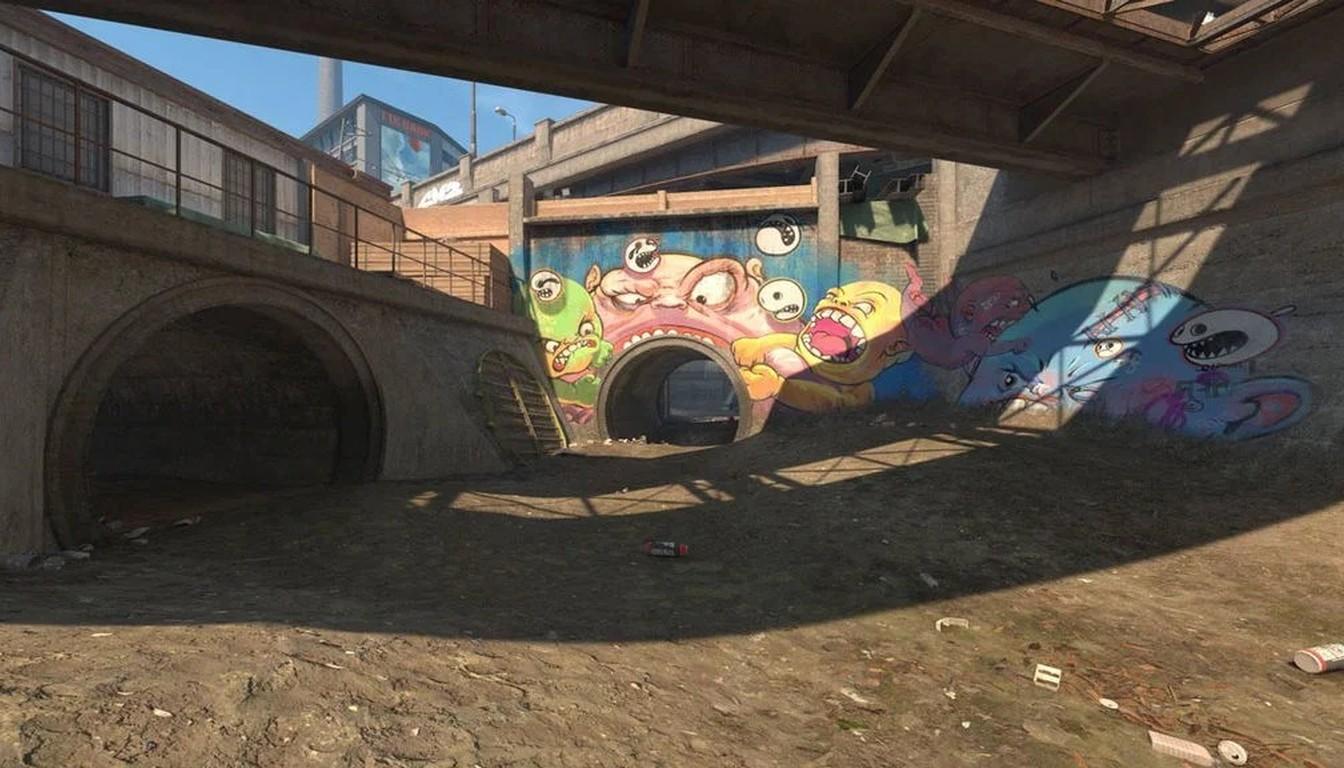
Keep your crosshair at head level as you move around the map. If it points at the floor, every duel starts with wasted time dragging it up. Pre-aim spots where a head might appear: Connector on Mirage, Long on Dust 2.
Every weapon has its own spray pattern. Learn the basics for the AK-47, M4A4, Galil, FAMAS and MP9 and your random misses drop noticeably. A recoil training workshop map works well for this: pick a weapon and spray at the wall until the pattern feels natural. The commands sv_cheats 1 and sv_infinite_ammo 1 only work on a local or private server with cheats enabled, never in matchmaking.
Another way to train higher aim is headshot-only Deathmatch. It feels rough at first, but reaction speed and the habit of keeping the crosshair high improve quickly.
For sensitivity, a reasonable starting point is 400 DPI, 1000 Hz and 2.0 in game, which is 800 eDPI. Pros range wider, roughly 920-1236 eDPI: m0NESY plays 400 DPI at 2.3 sensitivity, s1mple uses 3.09. Treat it as a reference and adjust until a 180-degree turn needs neither half your desk nor a micro-flick.
Loudness equalization in Windows sound settings is a popular tip: it softens loud sounds and makes distant footsteps easier to hear. Players report it can distort the sense of direction, so treat it as optional and test it by ear.
Movement and Shooting
Shooting while running sends bullets almost anywhere except at the enemy. The core habit is counter-strafing: stop before you shoot, and tapping the opposite direction key does it faster than simply letting go.
Moving left on A: tap D briefly, then shoot.
Moving right on D: tap A briefly, then shoot.
Do not hold both keys for long, or your timing falls apart.
The goal is one clean movement, a stop, a shot and movement again. Practice on an empty map first, then in Deathmatch. Peek a corner, stop, fire one or two bullets and step back. Later add wide peeks, shoulder peeks and jiggle peeks, where you twitch at an angle to bait a shot.
Burst fire is rarely needed in practice. Many experienced players recommend single shots and short bursts at medium and long range, and keep a full spray for close quarters where it pays off. That is community opinion rather than a hard rule, so test it with your own aim.
Just as important is not rushing blindly to help. A red marker on the map where a teammate is dying is not a reason to run in alone. And in a clutch as a terrorist, planting the bomb often matters more than killing the last enemy.
Economy Without Random Buys
Economy decides what the team can buy each round. Every round starts with $800, and the loss bonus climbs a ladder: $1400, $1900, $2400, $2900, $3400. Losing a pistol round pays $1900.
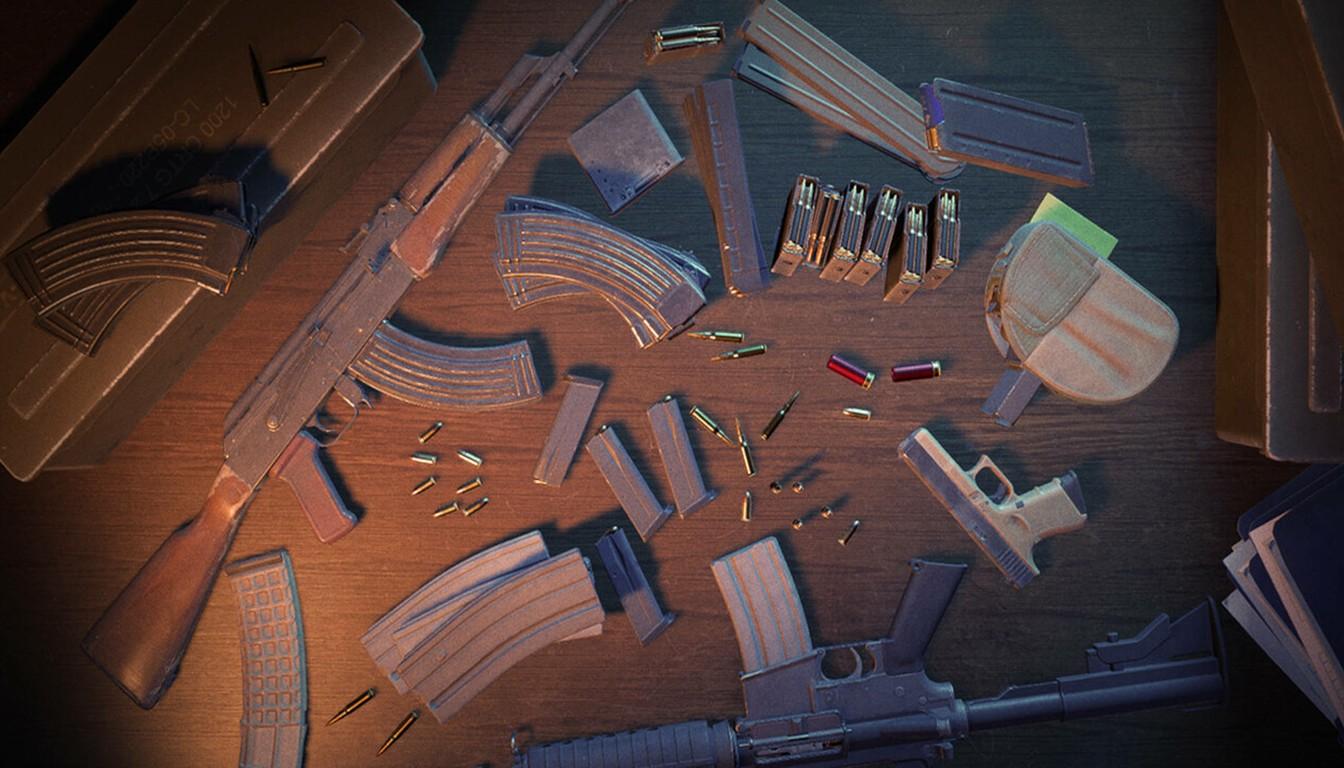
The pistol round affects the next two or three. Armor and grenades often matter more than a pricey pistol. A terrorist confident in their aim can take a P250, while others usually get more from armor for cleaner duels.
In round two, much depends on the money after the pistol result. As a rule, hold off on the M4A4, AK-47 and AWP. On the T side the AK costs $2700, and a half-buy is often the wiser call. A FAMAS, Galil, SMG or upgraded pistol with armor and grenades frequently gives a better chance to recover. Treat it as guidance that depends on your team's total.
The main rule is to buy together. One rifle on a team of empty wallets decides very little, and random force buys wreck the following rounds. Watch how pros buy: their purchases generally serve a shared plan.
Grenades and Smokes
Worst of all is not throwing grenades at all. CS2 smokes are volumetric: HE grenades and bullets punch temporary holes in smoke that then refill. Standing inside a smoke is risky, because you can be seen through a hole. In the beta Valve shortened the HE effect time on smoke, and shotguns leave larger holes.
Flashbangs still blind, with duration depending on distance and how directly the enemy looks at the flash. The main technique is the pop-flash: throw so it bursts right around the corner and swing out as the opponent loses sight.
Smoke blocks lanes and vision and helps take space.
Flash sets up a site entry or a position change.
HE can break a smoke and punish anyone standing in it.
Throw utility almost every round when you can afford it. Even a basic smoke slows an enemy push.
Maps and Space Control
Pick a few maps and learn them properly. The current Active Duty pool is Cache, Dust 2, Mirage, Inferno, Nuke, Ancient and Anubis. Anubis replaced Train in January 2026, Cache returned to the standard modes on April 28, 2026, and in July 2026 Overpass left the Premier pool. It is still playable in other modes, but Dust 2, Mirage, Inferno and Nuke are safer starting points.
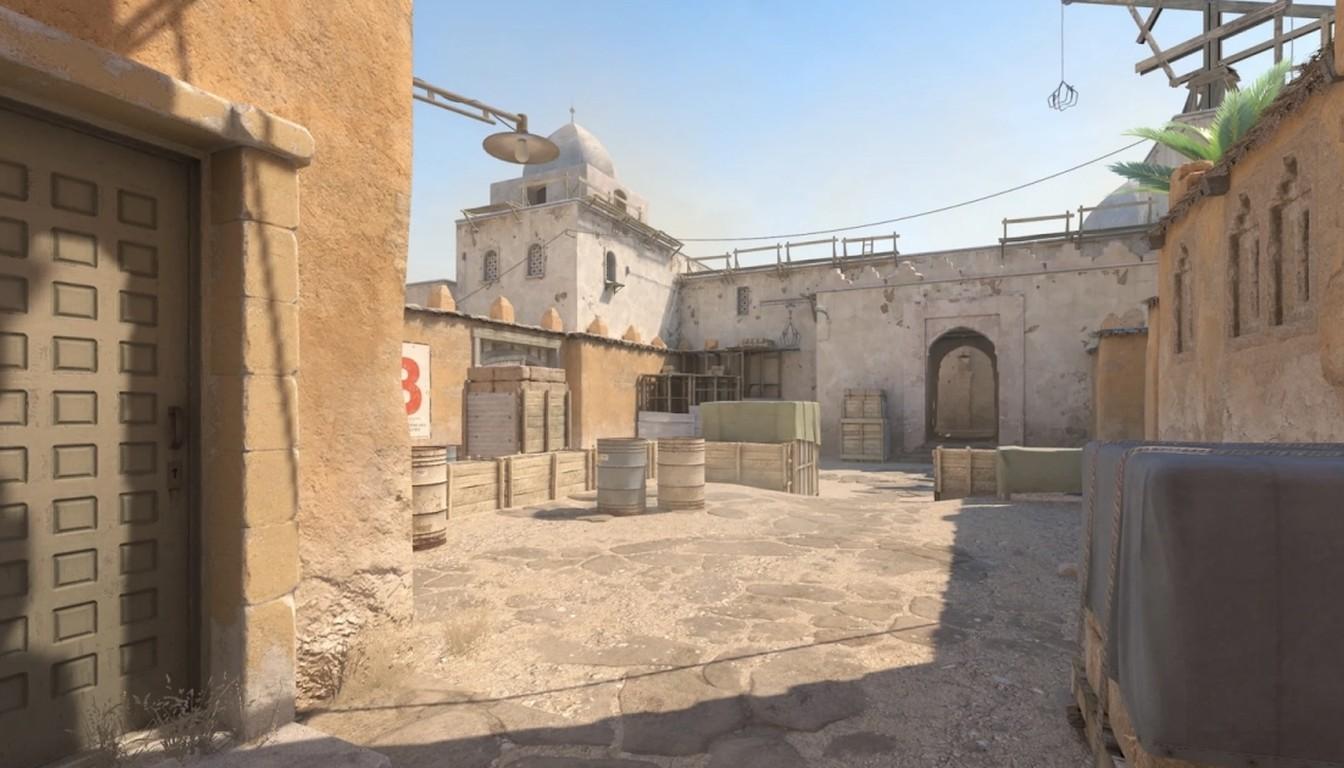
Map control is more than knowing positions. On defense, close the exits from a site so the enemy cannot break through in seconds. On attack, picture the strongest defender spots and know how to clear them. Learn attacking smokes from both sides: if you know how they are thrown, you know how to play against them.
Many players consider fakes a workable trick in low ranks: throw a smoke, start a plant, then grab a weapon. Against experienced opponents they may not repay the grenade and second they cost, so do not overuse them.
The best source of ideas for maps and setups is professional matches. Break down what worked and why.
Reloads, Comms and Demo Review
Reload in cover and only when you are sure no one can swing you. Reloading in the open hands the enemy a free duel. Before entering a site, check how many magazines you have left, so you do not burn your last on a prefire and fight two players with a pistol. On defense, switching to a secondary is easier than reloading in view.
Comms often rescue a team that looks weaker on paper. Short, clear calls such as "two short" beat long stories. Learn the callouts and keep your tone calm: a tilted team starts missing and overpeeking.
Watch your demos. Review losses and wins alike, because a win does not mean everything went right. Demos show weak positions, bad peeks, unused utility and clutch mistakes. Find one repeating error first and fix it.
Turning Tips Into Rank
At the start of a season the first games decide a lot: your starting rating depends on your placement matches, so a warm-up and calm comms matter most there. After a CS Rating reset, avoid chasing results at any cost: steady play beats one flashy game.
If you are stuck at one level, sessions with a coaching expert help: they review your demos and show which habit to change first. For those who want a result without a long prep, there is a rank boost, and if you want a more discreet format, a private rank boost. For the FACEIT platform there is a separate service: FACEIT boost.
The weekly plan is simple: a warm-up at the start of each session, one habit in focus and one reviewed match. After a month of that discipline the difference shows on its own.