Best Class and Subclass in Destiny 2: PvE and PvP Rankings
What to know before you pick a subclass
Destiny 2 has no single best class. There are three classes with six subclass options each, and how strong they feel depends on the activity, your build, and the current balance. It makes more sense to pick a subclass for the job: a raid, a dungeon, Crucible, or farming.
Any subclass ranking is community opinion. Balance has moved several times since Edge of Fate (July 2025), the Renegades update (December 2, 2025), and Update 9.7.0, Monument of Triumph (June 9, 2026): some aspects were reworked and Prismatic was tuned separately. So below we go through subclass roles and give pointers rather than rigid table slots.
Before a big activity, check the current season in the in-game menu and the patch notes. For a fresher picture of balance, see our Meta page too.
Three classes and 18 subclasses
Each class (Titan, Hunter, Warlock) gets one subclass for each of five elements: Arc, Solar, Void, Stasis, and Strand. That makes 15 elemental options. The sixth, Prismatic, arrived with The Final Shape in June 2024 and combines Light and Darkness abilities in one class, for 18 subclasses in total. Stasis came with Beyond Light (2020) and Strand with Lightfall (2023).

Element affects everything: your super, grenades and melee, and which enemy shields you break quickly. Here is the overview.
Element | Titan | Hunter | Warlock |
|---|---|---|---|
Arc | Striker | Arcstrider | Stormcaller |
Solar | Sunbreaker | Gunslinger | Dawnblade |
Void | Sentinel | Nightstalker | Voidwalker |
Stasis | Behemoth | Revenant | Shadebinder |
Strand | Berserker | Threadrunner | Broodweaver |
Prismatic | Prismatic Titan | Prismatic Hunter | Prismatic Warlock |
Most supers are easy to recognize: Hammer of Sol for Sunbreaker, Golden Gun for Gunslinger, Nova Bomb for Voidwalker, Glacier Quake for Behemoth, Bladefury for Berserker, Silkstrike for Threadrunner, Needlestorm for Broodweaver. Armor, exotics, and aspects have changed with the updates, so check exact numbers in the game itself.
Best subclasses for PvE
PvE rewards three things: fast add clear, durability, and usefulness to the team. Prismatic Titan and Prismatic Warlock often perform well here, and Solar subclasses, especially Dawnblade, are usually named right beside them. This is player opinion and there is no official ranking, so different sources stress different picks.
A quick look at roles:
Dawnblade and Sunbreaker. Solar subclasses focused on damage, healing, and support for allies.
Gunslinger. The Hunter for precise boss damage, popular in raids and encounters that need fast single-target output.
Berserker and Broodweaver. Strand subclasses with good add clear and damage protection.
Arcstrider. Mobile melee and solid survivability if you play aggressively.
Nightstalker, Voidwalker, Sentinel. Void subclasses built around control, support, and barriers. Especially valuable in team play.
Revenant, Behemoth, Shadebinder. Stasis is built on freezing and control. It suits situations where you need to stop dangerous enemies, but it demands precise timing and forgives positioning mistakes less.
For hard content, look at what your fireteam needs: raid groups usually build a lineup that covers damage, healing, and control at once. If your team already has a Prismatic Titan, some Void or Solar support may help. A raids bundle and a dungeons bundle help with preparation, and power leveling takes care of your Power level.
For challenges like the Grandmaster Nightfall Ordeal and the Weekly Grandmaster, a subclass's rank matters less than how confidently you play it.
Best subclasses for PvP
In Crucible, neutral game, mobility, and supers that kill quickly matter most. Striker with its Arc strikes, Dawnblade thanks to flight, and Gunslinger with burst damage have all built a reputation. After the latest balance changes there is no consensus for PvP, though: players argue about which subclass is stronger, and the answer depends on the mode and the map.
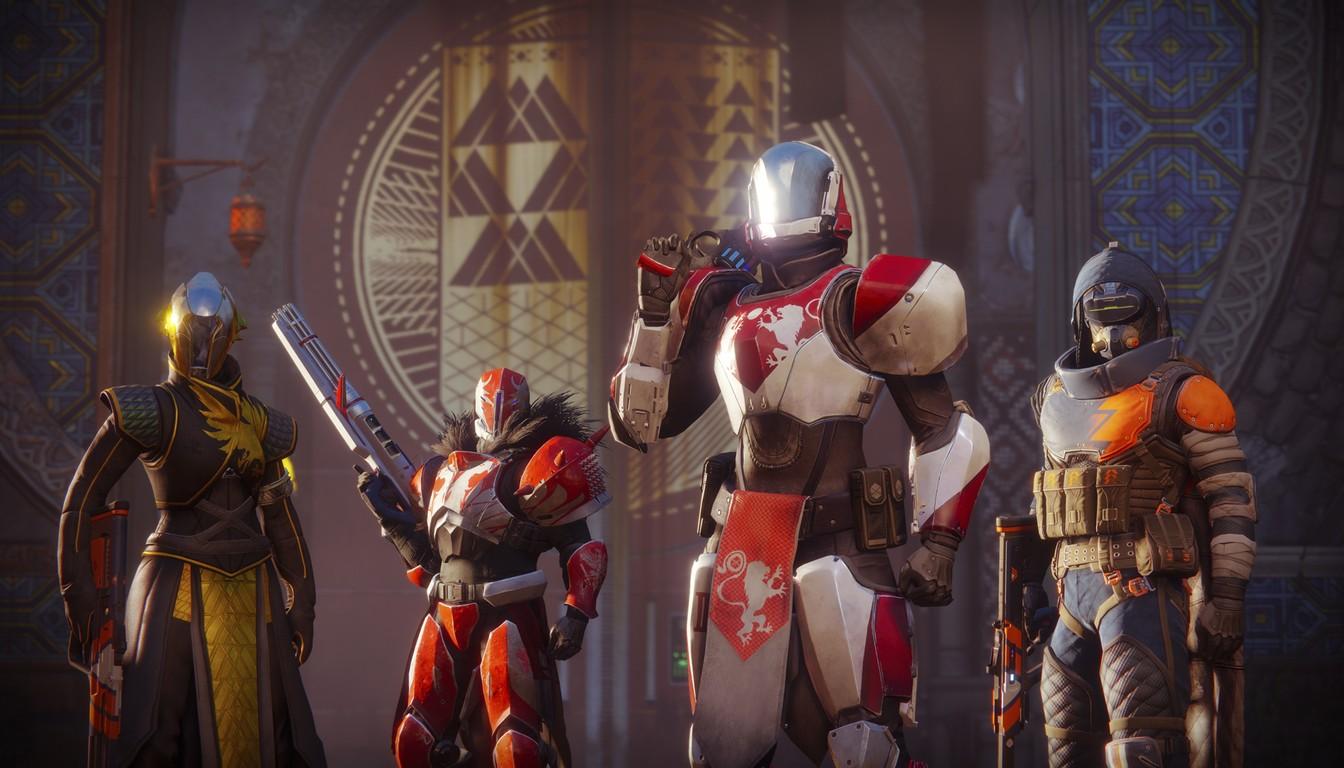
For attacking. Striker, Gunslinger, and Prismatic Hunter bring aggression and mobility.
For zone control. Prismatic Warlock and Voidwalker hold space with grenades and aspects.
For a careful game. Nightstalker with invisibility suits players who like ambushes.
For a slower pace. Stasis subclasses rely on slowing and freezing: they take patience and careful distance management.
Prismatic: the ability sandbox
Prismatic stands out by letting you combine aspects, grenades, melees, and class abilities from Light and Darkness. In effect you pick a build, not a ready-made kit.

Typical examples from the launch builds: Titan uses Drengr's Lash, Shackle Grenade, and Diamond Lance, then finishes with Consecration or Thunderclap; Hunter builds around Winter's Shroud and Stylish Executioner; Warlock places Bleak Watcher, Hellion, and Penumbral Blast, while Feed the Void returns grenade energy.
In Edge of Fate Bungie first cut fragment slots on some Prismatic aspects (for example Hellion and Bleak Watcher from three to two), then partly reversed the decision: Knockout stayed at two. The developers promised a later Prismatic tuning pass with buffs. If you are building around specific exotics, check slot counts in the current version of the game.
What changed in balance over the last year
Edge of Fate brought a big rework of armor and exotics, so old advice about specific armor and subclass pairings is often outdated. Some aspects, such as those tied to Harvest, Ward of Dawn, and Smoke Bomb, were also tweaked according to early descriptions.
Renegades (December 2, 2025) brought an ability tuning pass, mostly buffs. According to developer and press reports, Strand's Widow's Silk no longer blinds the player, and Void's Suppressor no longer suppresses the Guardian. Shadebinder's Winter's Wrath was adjusted as well.
Update 9.7.0 (Monument of Triumph) arrived on June 9, 2026, and Bungie calls it the final major Destiny 2 update. According to previews, it added new aspects so that each non-Prismatic subclass has four, and rebalanced armor and exotics to reduce the number of dominant builds. Check the patch notes for exact numbers.
The practical takeaway: treat any table from older material as history. To choose today, rely on a subclass's role, your fireteam's makeup, and what you can actually build from your gear.
How to pick a class and subclass for yourself
Go by playstyle, not by a rank in a table.
Titan suits players who like holding the line, taking damage, and fighting up close.
Hunter is for a mobile style, precise damage, and invisibility.
Warlock offers control zones, support, healing, and aerial mobility.
Think about your role in the group too. If you mostly play with friends, agree on who takes boss damage, who supports, and who handles crowd control: the same subclass can fill different jobs depending on aspects, fragments, and weapons. In solo activities, self-sufficiency matters more: healing, protection, and enough damage without a team.
The practical order is this. Decide on the activity: solo content, a raid, Crucible, or farming. Then pick the element that breaks the shields you will face. After that, choose aspects and fragments to match your weapons and exotic armor. If in doubt, start with Prismatic: it has the widest choice of abilities, and you can assemble nearly any kit for your task.
For gear hunts, our pages on Ice Breaker and the Desert Perpetual epic may help. Try at least two subclasses in the same activity: that is the quickest way to see which one fits you.