FFXIV Phantom Jobs: Complete Occult Crescent Guide
What Phantom Jobs Are and What Matters First
Phantom jobs in Final Fantasy XIV are an extra set of abilities that only works inside the Occult Crescent zones. They do not replace your main job. You enter the zone as your usual tank, healer or DPS and plug a Phantom job on top, each with its own actions and levels.

As of Patch 7.56 there are 24 Phantom jobs. Patch 7.25 introduced the first 13, Patch 7.4 added Mystic Knight, Gladiator and Dancer, and Patch 7.55 brought eight more together with the North Horn zone. Nothing forces you to level all of them, but every mastered job gives a permanent bonus, covered below.
The key rules up front: Phantom actions cannot land critical or direct hits, and their damage scales with item level up to 700. Pick a job for the task in front of you rather than for an abstract ranking, because farming, group fights and Forked Tower all call for different kits.
All 24 Jobs and How to Unlock Them
There are four ways in. Freelancer is available from the start, the quest "New Job, Old Tricks" grants Knight, Monk and Bard, and the rest are either bought as soul shards from an Expedition Antiquarian or dropped by Critical Encounters.
Method | Jobs | Cost |
|---|---|---|
Available at the start | Freelancer | free |
Quest "New Job, Old Tricks" | Knight, Monk, Bard | free |
South Horn soul shard | Time Mage, Chemist, Cannoneer, Mystic Knight, Dancer | 1,000 Enlightenment silver |
South Horn soul shard | Thief, Samurai, Geomancer, Gladiator | 1,600 Enlightenment gold |
North Horn soul shard | Ninja, Black Mage, White Mage, Red Mage | 1,000 Enlightenment silver |
North Horn soul shard | Dragoon, Summoner | 1,600 Enlightenment gold |
Random soul shard drop | Berserker (The Unbridled), Ranger (The Black Regiment), Oracle (On the Hunt), Necromancer (Dark Artistry), Blue Mage (Appalling Behavior) | dropped by the encounter |
In practice, grab the three quest jobs first and hold off on the expensive gold purchases. Pick jobs for your goal first and save currency for the next purchase.
How Phantom Jobs Work
You pick a job through the Occult Crescent HUD. Up to five Phantom actions can sit on the duty panel or hotbar, so you build a loadout for each fight.
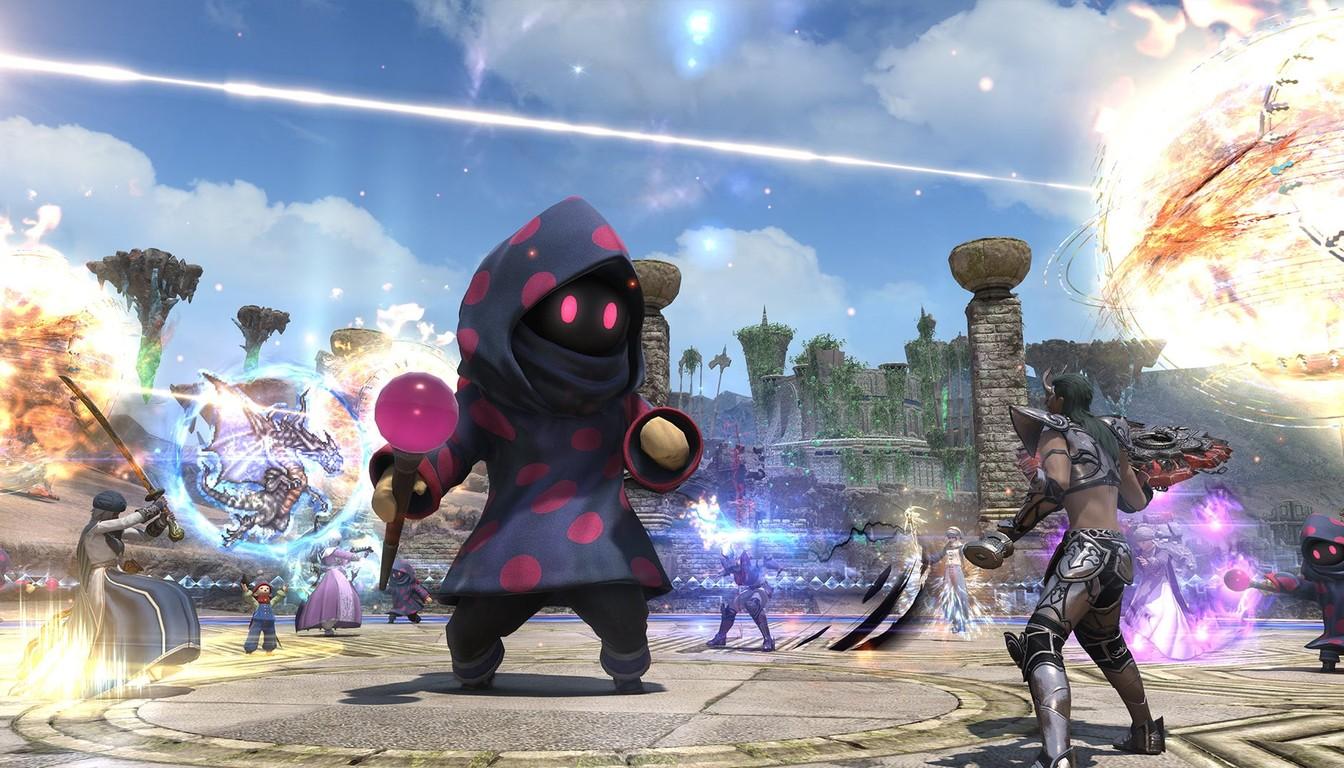
Most jobs earn Phantom EXP from enemies and encounters. Freelancer is the exception: it levels as you master other jobs and caps at level 24, while Blue Mage learns skills from monsters. Other jobs have small level caps, from 3 to 6.
Phantom Mastery. Each mastered job adds one permanent stack, and each stack raises damage and healing potency by 2%. The cap is 24 stacks, or 48%, active inside Occult Crescent zones. That makes it worth finishing even the jobs you rarely play.
Elements. Enemies in Occult Crescent can have elemental weaknesses. Hitting them with a matching element raises damage, and Red Mage's Occult Libra boosts attacks that match the target's weakness.
Blue Mage. To learn a skill you must watch an enemy use it and then defeat that enemy. Learned skills show up in the Phantom Traits window.
Best Jobs for Farming and Exploration
For roaming Occult Crescent, hunting treasure and farming, Thief, Ranger, Freelancer, Ninja, Dragoon and Red Mage are comfortable picks. They are about convenience, not peak damage.
Thief. Speeds up movement, detects traps and helps on treasure routes. Vigilance and Pilfer Weapon also work in combat.
Ranger. Phantom Aim raises critical and direct hit rate, Occult Falcon can trigger traps safely, and Occult Unicorn gives the party a barrier.
Freelancer. Simple utility and scouting tools. Wisdom on the Winds resets most job recasts, and Adaptable lets you leave Freelancer even in combat.
Ninja. Smoke raises evasion, Image blocks several physical attacks, and First Strike speeds up the opener.
Red Mage. Mixes elemental damage, healing and enemy analysis through Occult Libra.
If your goal is Phantom Weapons and other rewards from Occult Crescent Pieces, pick a job that matches enemy weaknesses. The right element noticeably speeds up clearing.
Support Jobs for Group Survival
In harder Occult Crescent content, groups mostly need a safety net for mistakes. Support jobs provide it.

Knight. Reduces incoming damage and shields allies. Not built for damage, but it takes real pressure off healers.
Chemist. Restores HP and MP and can revive. Almost no damage, yet very welcome in random groups.
Bard. Buffs, regeneration and tempo control. Best in an organized party.
Geomancer. Shields, healing, movement speed or damage buffs as the situation demands. Suits a reactive playstyle.
Oracle. Control and rescue mechanics. Needs careful execution and a coordinated group.
Dancer. Team buffs and a steady rhythm in long fights.
White Mage. Single-target and party healing. Occult Raise revives allies under Resurrection Restricted, and Occult Blink blocks one magical attack.
Damage Jobs
When speed and fast kills matter, go for damage jobs. Your regular gear still powers your main-job rotation, while Phantom actions follow Occult Crescent scaling.
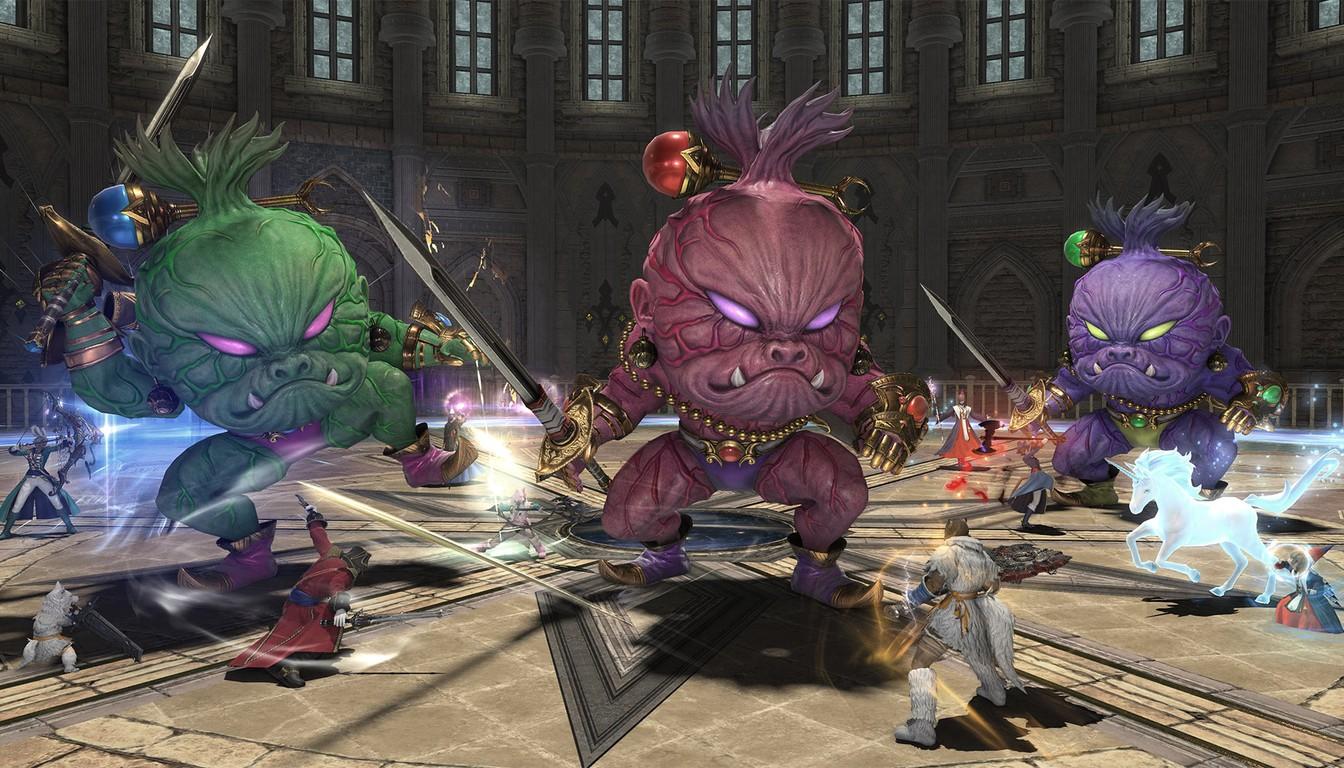
Samurai. Burst damage on priority targets. Little group value, but strong for Phantom Weapon farming.
Berserker. Grows stronger as chaos rises and health drops. Powerful, but punishes sloppy control.
Cannoneer. Applies pressure and debuffs, works well on clustered enemies, but has weak defenses.
Monk. Melee pressure and stacking damage buffs. A safe pick when other roles are covered.
Mystic Knight. Blends weapon strikes with magic buffs. Magic Shell helps with bigger pulls and Blazing Spellblade gives a sustained damage buff.
Dragoon. Mobile damage built on Occult Jump and Step Forth. Lance heals and turns excess recovery into a barrier.
Summoner. Big elemental casts and the Earthen Wall barrier. Megaflare is a slow cast with huge area damage.
Black Mage. Fire, ice and lightning bursts against weaknesses. Occult Toad shuts down susceptible targets and Occult Flare handles clusters.
Necromancer. Trades health for wide elemental attacks. Drain Touch keeps most attacks from dropping you below 1 HP for six seconds.
Control Jobs and Forked Tower
In Forked Tower: Magic, party composition matters more than any general ranking, because some Phantom jobs cover specific mechanics. According to community guides, Time Mage, Necromancer, Ranger, Bard, Dancer, Thief and White Mage are especially useful there.
Time Mage slows enemies, strips effects with Dispel and hastens allies, which helps while learning mechanics. Blue Mage takes longer to prepare because skills must be collected from enemies, but the finished spellbook covers damage, party mitigation and White Wind healing. Gladiator holds the front line and sits between defense and offense.
According to player reports, job swapping in Forked Tower follows its own rules. Normal mode allows changes outside combat, while Extreme mostly limits them to the start. A level 24 Freelancer can use Adaptable to leave the job even mid-fight, but cannot switch back or move directly between two other Phantom jobs. Check the in-game rules before you enter.
Where to Start and How to Choose
Phantom jobs are optional for the rest of the game, since they only function in Occult Crescent. A sensible order is to take the quest jobs Knight, Monk and Bard, decide what you do in the zone, and add jobs for that goal.
For farming and routes, start with Thief or Ranger.
For random groups, bring Chemist or White Mage.
For fast damage, Samurai and Black Mage fit.
For Forked Tower, work toward Time Mage and Necromancer.
Build Phantom Mastery in the background. Every new stack adds 2% to damage and healing, and at 24 jobs that becomes the full 48%.