Marathon Shell Builds: Cores and Implants for Every Runner
What a build actually decides in Marathon
Every Shell in Marathon has a clear strength, and a jack-of-all-trades loadout does not work on any of them. A build has two parts: Implants adjust stats, while Cores change how your abilities behave. The logic is simple: boost what the Shell already does best.
Slots are limited. Each Shell has two Core slots, and Cores are Shell-specific. Implants are universal and come in three slots: head, torso and legs. Cores come in five rarities, from Standard to Prestige, and the Core is usually what shapes your whole run.
Below are six Shells: Destroyer, Vandal, Recon, Assassin, Triage and Thief. That is not the full roster. Rook, the solo-queue scavenger with no loadout, also exists, and Season 2 added Sentinel, a defensive Shell built to lock down positions and protect teammates. Another new Shell is expected with the Symbiosis update on December 8.
Read the builds this way: the Core sets your playstyle, Implants fine-tune stats. If the ideal Core is missing, take any Core for that Shell that fits its role and do not leave the slot empty. Exact Implants depend on what sits in your stash, and since the economy reset on October 6 many players are working with a different set, so go by stats rather than by names.
To unlock the right Cores sooner, you can speed things up with power leveling.
Destroyer: the tank that drains enemy resources
Destroyer takes hits well. Its job in a fight is to make the enemy waste ammo and abilities while you hold the Riot Barricade and push forward.
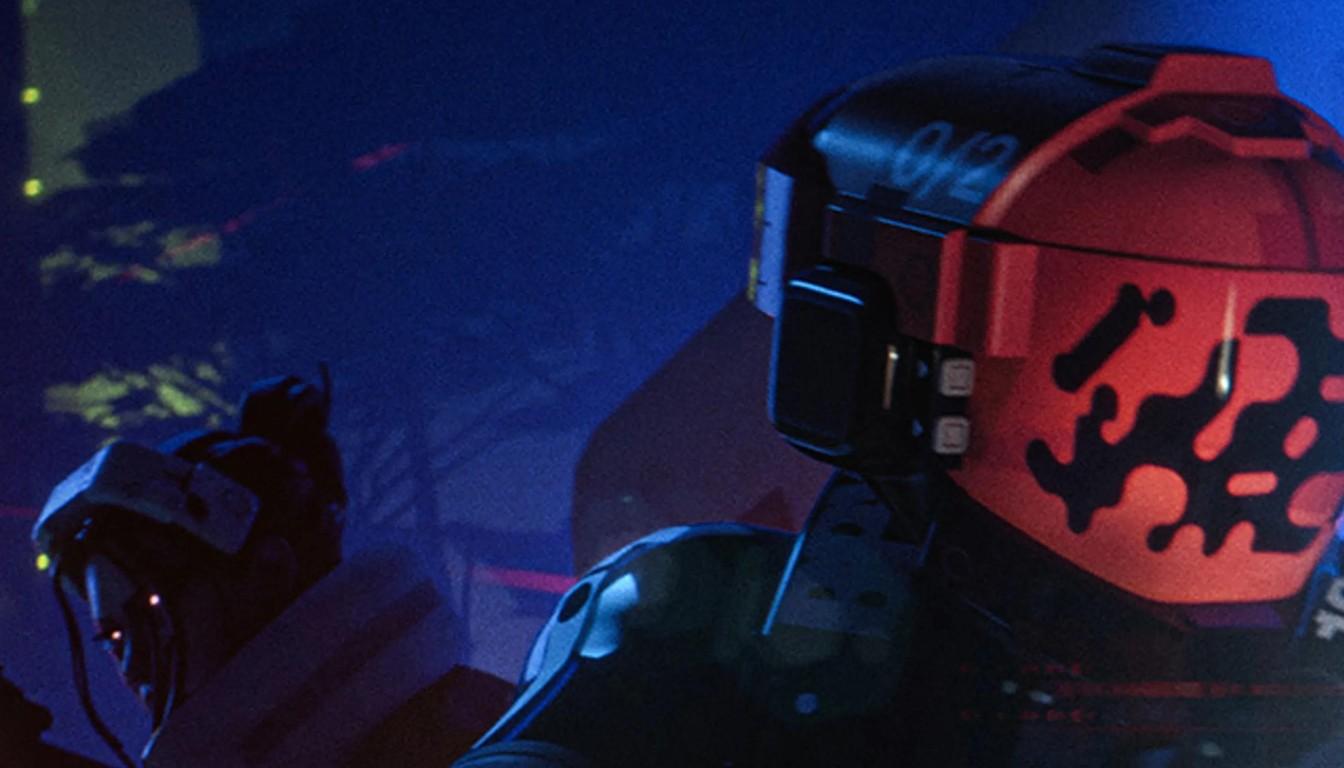
The two strongest Cores for it are Impact Siphons and Counter Attack. Both are Prestige-rarity Cores, and both sit in the top tier of the wzstats Core ranking (updated July 3, 2026).
Impact Siphons. Damage the Riot Barricade takes comes back to you as shield energy.
Counter Attack. When the barricade takes damage, you periodically fire a retaliatory missile at your attacker.
Pick a weapon that is comfortable to fire from behind cover. For Implants, favor durability and energy.
A common Destroyer mistake is taking the role of a target literally. If you die distracting the enemy, your team gained nothing. Stay close, but stay alive.
In practice, enter fights with the barricade between you and the enemy and play off your shield. The longer they shoot the barricade, the more they help you.
Vandal: speed that ruins aim
Vandal is the Shell for fast entries. It closes distance with dashes, and slides, and pays for it in Heat. That is why the whole build is about moving a lot without overheating.
The core pair is Adrenal Core and Mechanized Holsters. Adrenal Core is Superior rarity: while Amplify (Prime) is active, movement abilities generate much less Heat, and Cardio Kick extends the effect. Mechanized Holsters is Deluxe rarity: a Power Slide reloads ballistic weapons from reserve and recharges part of a volt weapon's battery. On wzstats, Adrenal Core sits in tier A and Holsters in tier B.
This is a real gain in tempo: fewer pauses to reload and cool down. Vandal feels best in open areas where you can circle a target. In tight corridors its speed advantage disappears.
If you cannot keep the tempo up, start with Adrenal Core: it gives the most freedom of movement. Add Mechanized Holsters once you are used to sliding between gunfights.
Close-range weapons fit here: they demand closing the gap, and closing the gap is what Vandal is built for.
Recon and Assassin: information versus stealth
Recon runs on knowledge. Echo Pulse shows nearby enemies, and Tracker Drone hunts targets on its own. Patch 1.0.6 on April 14, 2026 buffed the Shell: Echo Pulse now distinguishes Runners from UESC targets and is less visible to enemies, and the drone tracks better and can retarget.
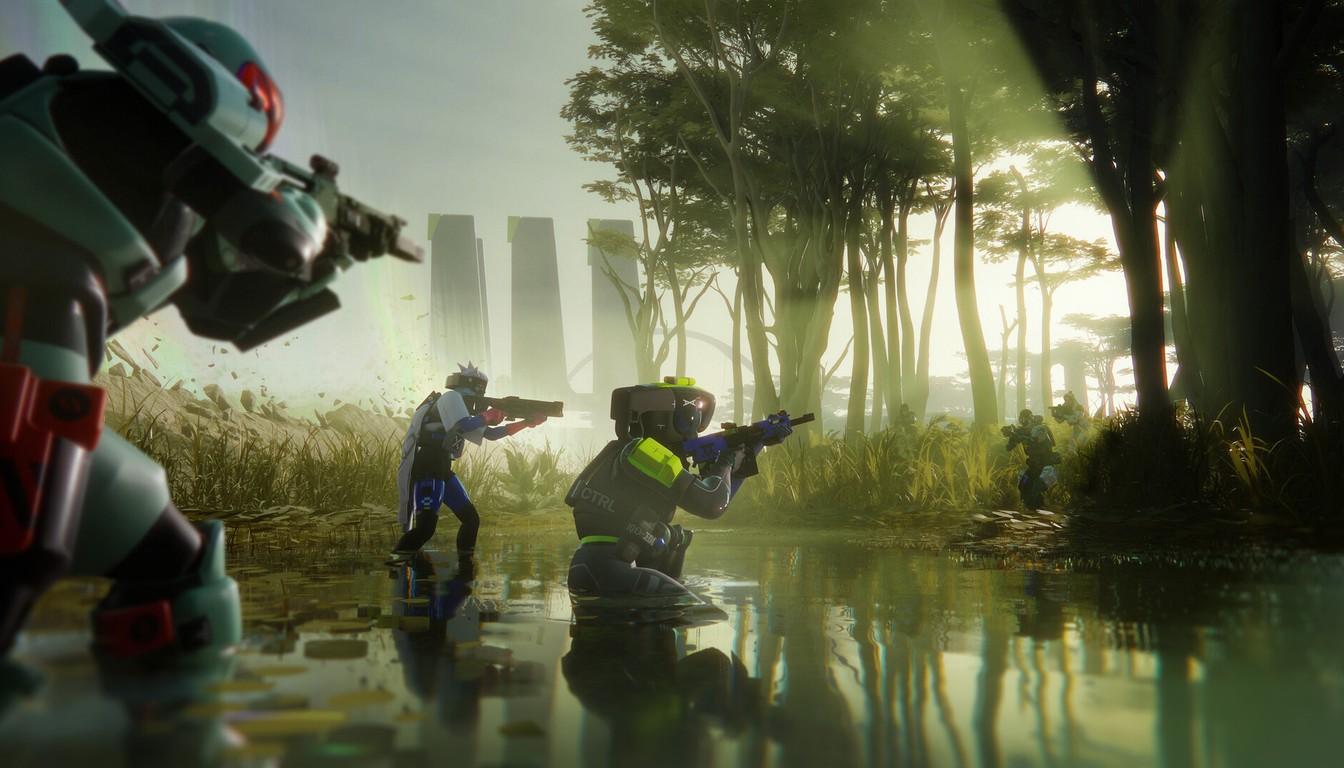
Recon pairs well with precise long-range weapons: you know where enemies hide and can line up a shot early. Treat it as a tool against split-up teams. For the Intuition and Cluster Payload Cores, rely on the in-game descriptions.
According to player reports, Assassin shines in solo queue. Stealth and the ability to slip out of danger make it a comfortable pick for a lone raid. The Shadow Strike and Ghost Protocol Cores show up in popular builds.
The downside of stealth is well known: a careful opponent can hear or see you, so stay in close quarters and avoid open ground.
Triage and Thief: support and looting
Triage is made for squad play. It heals, deals electric damage and works best with volt weapons. Popular builds use the Emergency Response and Electron Recapture Sinks Cores. According to player reports it is weaker alone, so pick it when teammates are around.
Agree with your squad in advance who plays support: two Triage in one team overlap, and the damage load falls on everyone else.
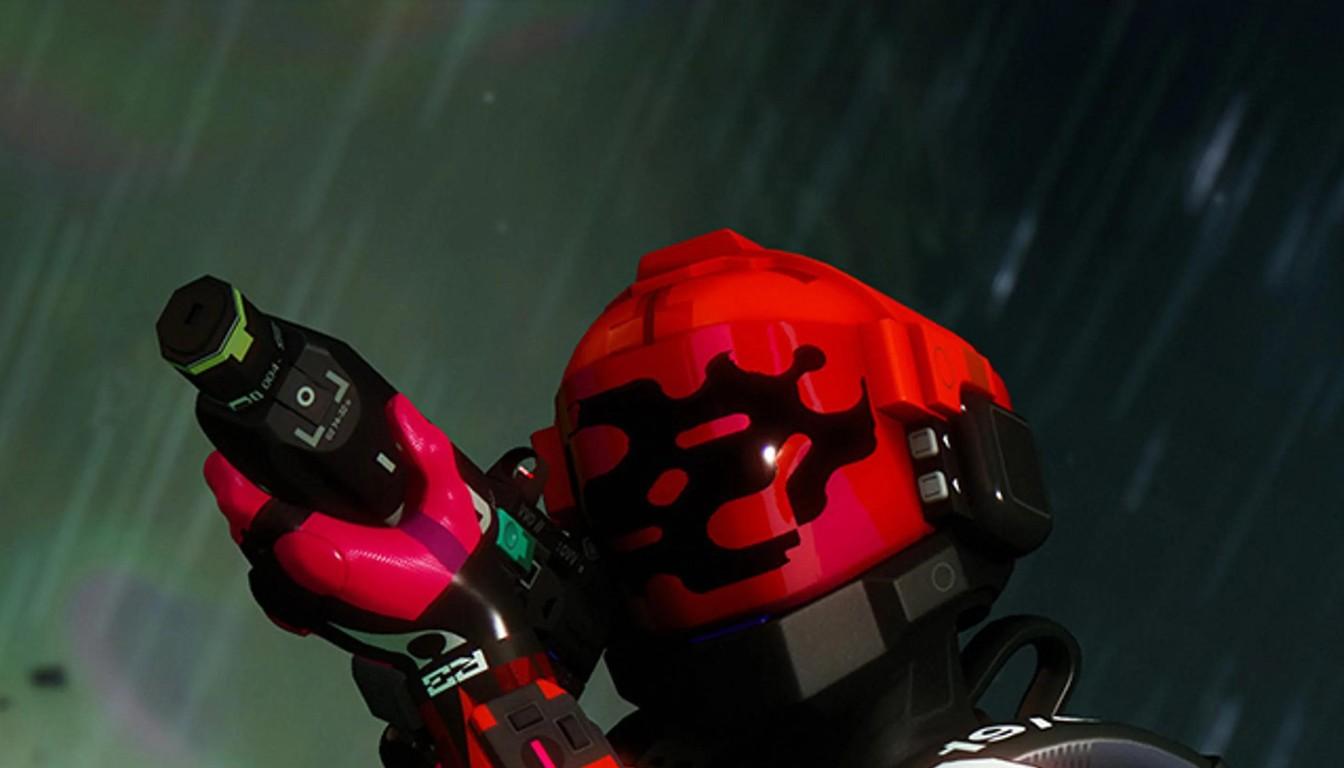
Thief is for loot and escapes. The grappling hook changes positions quickly. Partner In Crime and Hunter Killer are common Core picks. The whole plan is to slip out of an ambush with your haul.
If raids are scarce and you need specific loot fast, you can rent a booster. And to learn a particular Shell from an experienced player, you can book coaching.
Shell summary
The table shows each Shell's role and who it suits.
Shell | Role | Cores from popular builds | Best for |
|---|---|---|---|
Destroyer | Tank | Impact Siphons, Counter Attack | Squad play, fighting up close |
Vandal | Fast assault | Adrenal Core, Mechanized Holsters | Aggressive fights in open areas |
Recon | Scouting | Intuition, Cluster Payload | Long range and position control |
Assassin | Stealth | Shadow Strike, Ghost Protocol | Solo and close combat |
Triage | Support | Emergency Response, Electron Recapture Sinks | Squads using volt weapons |
Thief | Loot and escape | Partner In Crime, Hunter Killer | Solo looters |
The table reflects common player approaches, not official recommendations: balance changes from patch to patch.
Building your own loadout and what changed in 2026
The basic principles still hold.
Do not leave slots empty if your stash has suitable Cores and Implants.
Compare Implant stats in game: what is available depends on your progress.
Pick what fits the Shell: a bonus you never use is the same as an empty slot.
Weapons matter as much as Cores, and mods change how they behave.
Test your ideas in a raid. Losing gear is part of the game.
For a newcomer it is easiest to master one Shell fully, learn its Cores and only then move to the next. That way you notice sooner which stats matter most for it.
Season 2, Nightfall, launched on June 2, 2026 and brought the Night Marsh map (a night version of Dire Marsh with flashlights, night vision scopes and signal flares), the Sentinel Shell, and The Cradle system, where items are converted into Energy spent across six stats.
Bungie dropped the fixed season schedule in September. The Nightfall Refresh on October 6 reset progression and the economy, and patch 1.1.9.3 followed on October 8. Check a Core's description and rarity in game before you commit. Battle Pass progress and completing contracts both help you gather the gear faster.