Return of the Ancients: Runes of Aldur League Overview
What Patch 0.5.0 Brought
Return of the Ancients (patch 0.5.0) launched on May 29, 2026 and rebuilt the Path of Exile 2 endgame around a new challenge league, Runes of Aldur. Hotfix 0.5.0b followed the next day, and in early September the game added the 0.5.5 Forbidden Rites bonus event, which runs separately from this league. The overview reflects the state of the game on October 18, 2026.
Here is what matters for a player. The Atlas is now built around Fortresses and story branches, while Breach, Delirium, Ritual and Expedition each got new rewards and bosses. Fate of the Vaal became permanent and is available in every league.
The patch adds more than a hundred new runes and crafting currencies. Among them are 13 Ancient Runes and 13 Mythical Runes, 13 Alloy currencies, three Fluxes, 23 Kalguuran Skills and 7 supports for them. You need a new character to enter the league, while your older heroes stay in Standard.
The league suits players who like clear goals: every mechanic now has its own place on the Atlas, and every branch has a finale. Newcomers get lost less often, and veterans can plan farming around a specific reward.
The Atlas: Fortresses and Origins of Divinity
Completing the first Tower raises a Fortress. Clearing its maps grants Atlas Passive Tree points, and the tree itself has more than 300 nodes. Fortresses are now the main way to progress in the endgame, so they are a natural place to start.
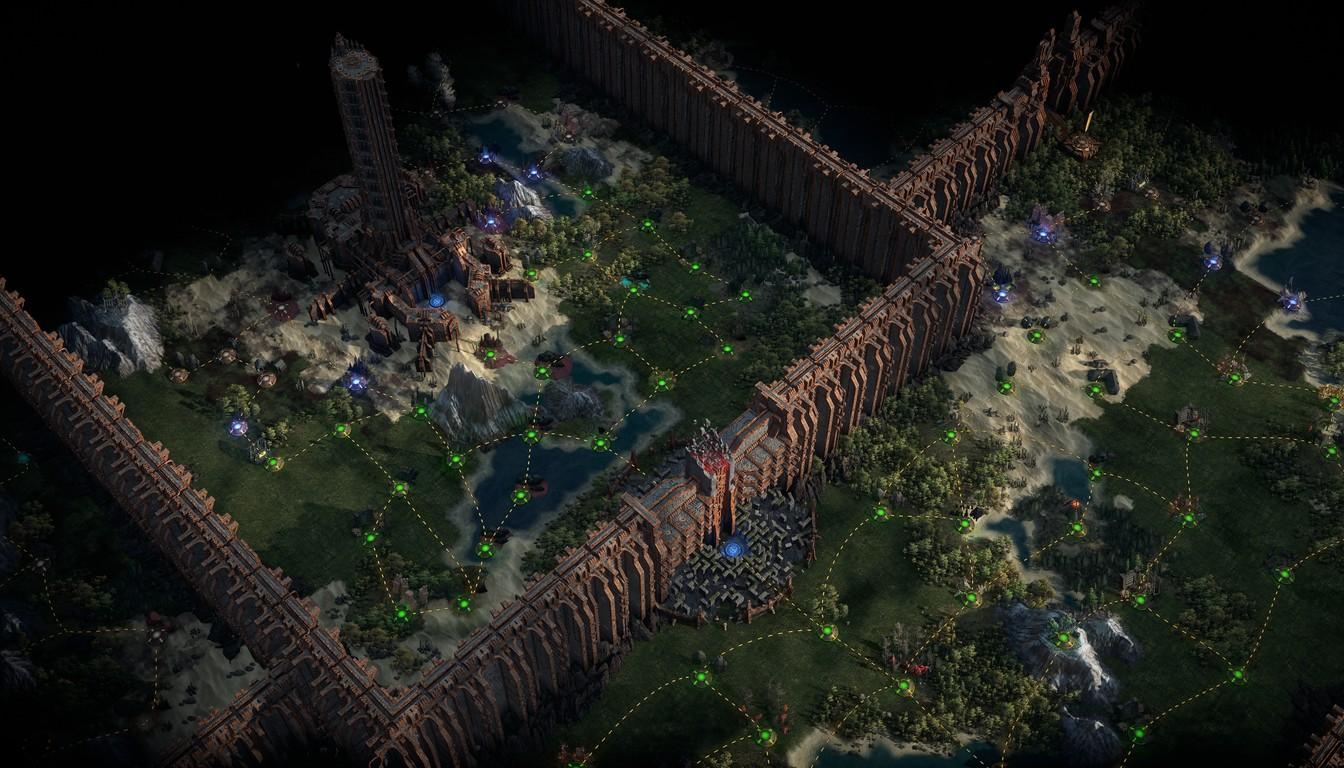
The second pillar of the Atlas is Origins of Divinity. It consists of six questlines, each with its own hub, crafting options and a dedicated pinnacle boss. According to previews, the story touches the Precursors and the First Edict, but you can play it piece by piece and choose the branch for the reward you want.
Atlas respecs were removed. Nodes with several choices are the exception and can still be swapped. Plan the tree ahead instead of experimenting.
In practice, decide which Origins of Divinity branch matters most and head for its hub. The points from your Fortress then go into nodes that serve your goal, and you skip maps that only offer random rewards.
Masters of the Atlas and New Bosses
Three masters joined the Atlas: Doryani, Hilda and Jado. Each has 12 nodes, and four are active at a time. With them you tune what a map gives you instead of only choosing the map.
There are plenty of new bosses. Breach brings Vruun, Marshal of Xesht, Rite of the Nameless leads to the King, and the Ocean branch of Expedition ends with island bosses Medved, Vorana, Uhtred and Olroth. Defeating Olroth unlocks the league Pinnacle boss, while seven waves of the Simulacrum drop a key to the Delirium Pinnacle.
Pinnacles demand a finished build and practiced mechanics. If your time is limited, part of that work can be handed to a team: DVING offers a Boss Kill service.
Breach and Delirium Changes
Breach moved to the Monastery of the Keepers. Its big addition is the Genesis Tree, a crafting tree grown with Hiveblood and Wombgifts. Catalysts now come only from it, so you go into Breach for a specific craft.
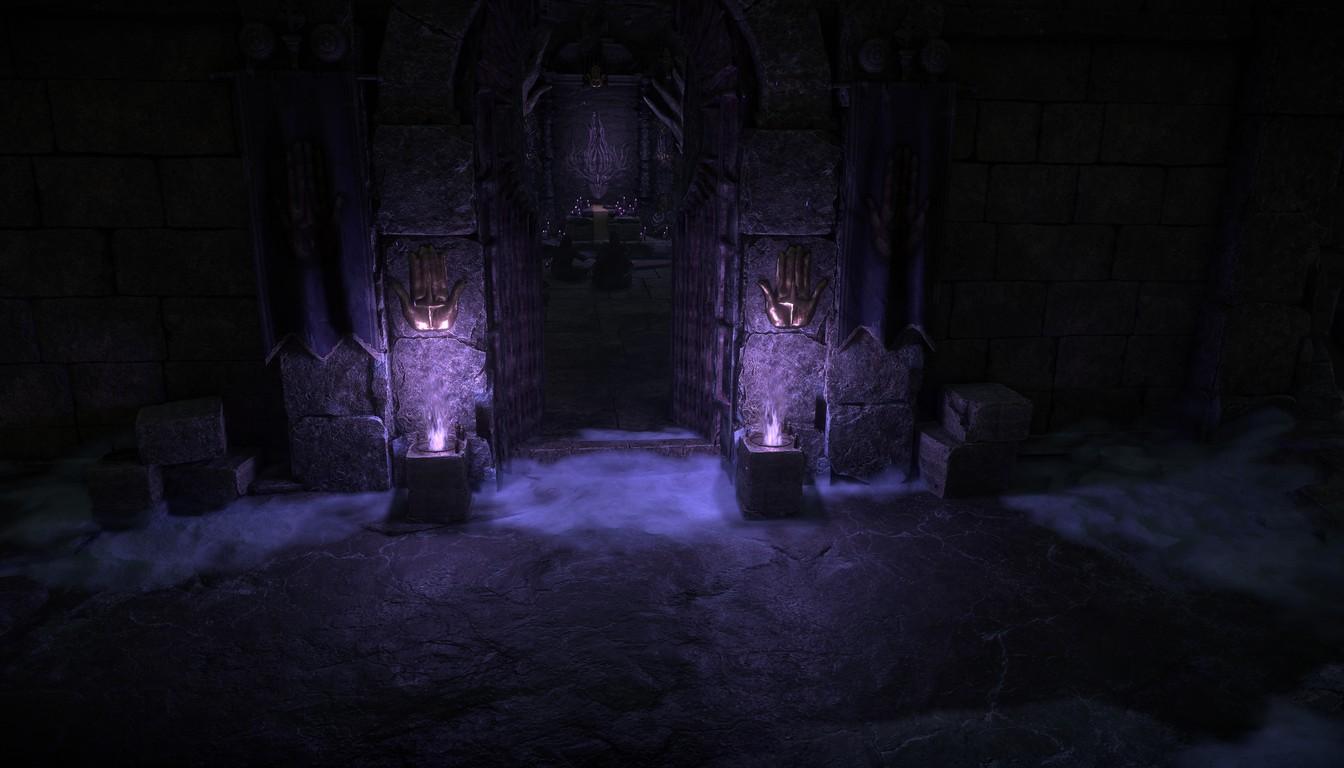
Delirium has a new hub, the Withered Willow. There you collect Mirror Shards and head into the Trial of Madness, where Grand Mirrors raise Delirium up to 200%.
The branch ends with a seven-wave Simulacrum that drops the key to the Delirium Pinnacle boss. That gives the run a clear purpose.
A simple way to split your time at the start: a few Breach runs for Genesis Tree materials, then Delirium for Mirror Shards. You develop crafting and open the way to bosses at once.
Ritual and Expedition
In the endgame, Ritual now rewards only Uniques or Omens. That makes the choice easy: go in when you want exactly those. Rite of the Nameless was added at Caer Tarth, where Tribute can be sacrificed for an audience with the King, but it requires five continuous maps.
Prepare for Rite of the Nameless in advance: pick maps you clear with confidence and do not risk the chain on an experiment.
Expedition got an Ocean storyline: you chase a Verisium meteor and fight the leaders of four factions on their islands. As of 0.5.5, Expedition is a permanent part of Standard.
Mechanic | Hub or entry point | What is new |
|---|---|---|
Breach | Monastery of the Keepers | Genesis Tree, boss Vruun |
Delirium | Withered Willow | Trial of Madness, seven-wave Simulacrum |
Ritual | Caer Tarth | Rite of the Nameless, Unique and Omen rewards |
Expedition | Ocean storyline | Verisium meteor, four boss islands |
Fate of the Vaal and Runes
Fate of the Vaal is in the game for good. Atziri's Temple with Lira Vaal received Tier 4 rooms and four types of Infusers. It is a good fit for long runs with clear progress.
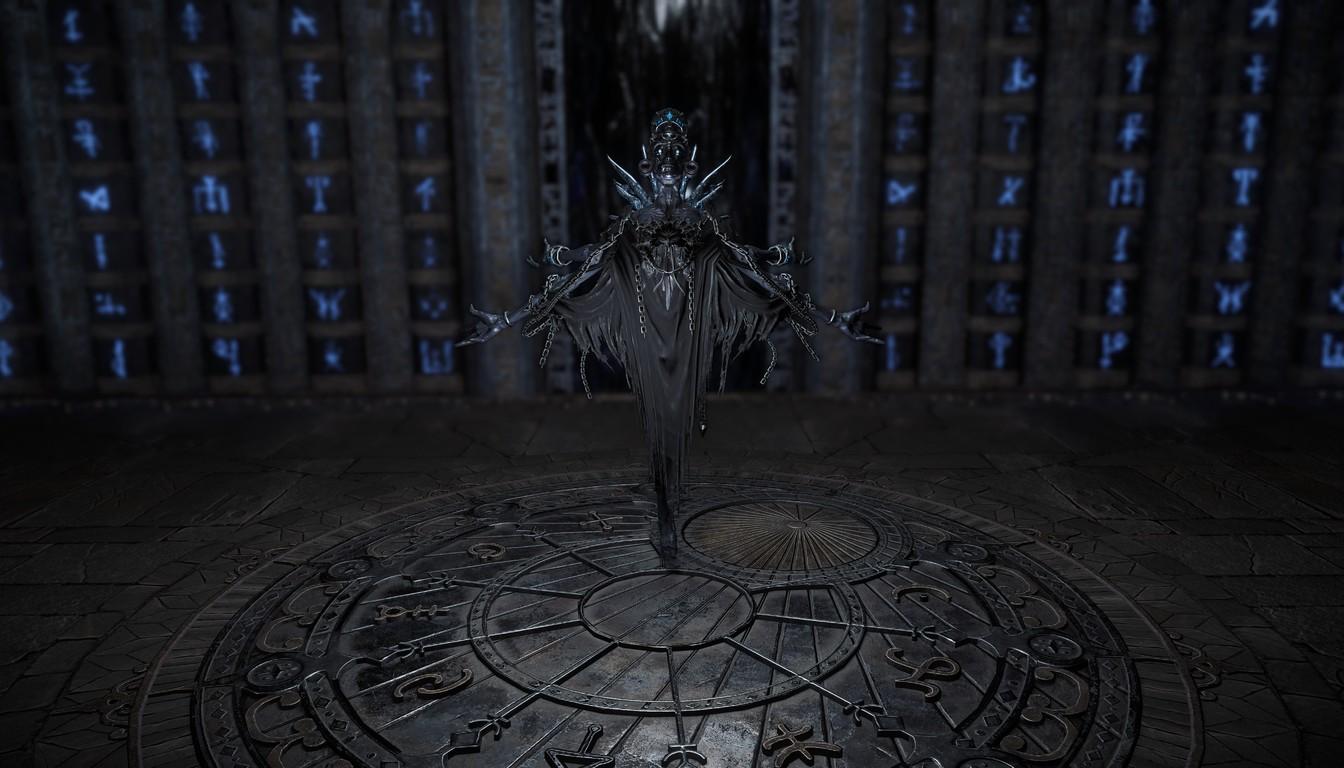
Fate of the Vaal is available in every league. Even if you stay in Standard, temple runs and Infusers are open to you, so you can learn them without tying yourself to a season.
Runes add another layer. Runic Ward is part of the league's mechanics, and the Unique Verisium Runeforging recipe from Act 3 upgrades unique items below level 55. Before selling an old unique, check whether it could be improved this way.
New Ascendancies: Spirit Walker and Martial Artist
The patch adds two ascendancies: Spirit Walker for the Huntress and Martial Artist for the Monk. Node descriptions come from previews and real strength will show in practice, so leave room in your build plans for adjustments.
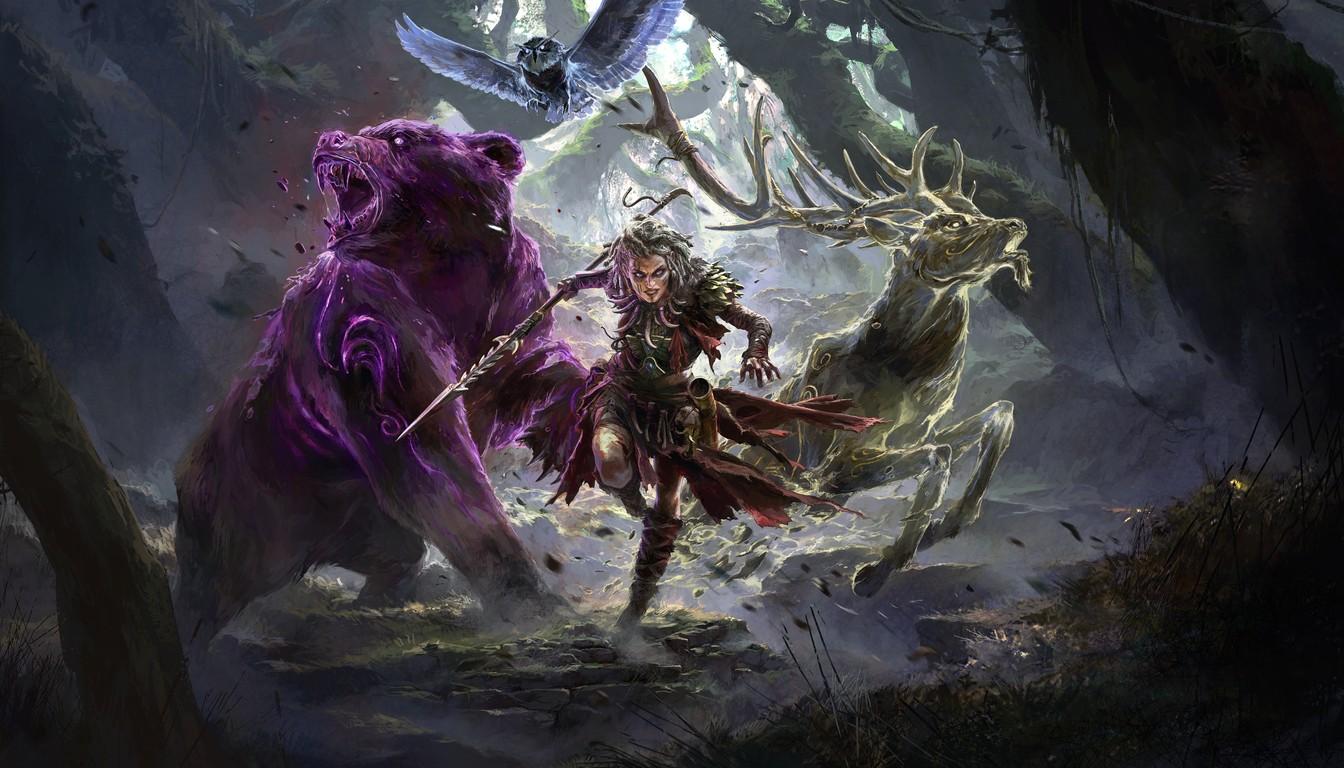
Spirit Walker, as described, is built around Azmerian Wisps. You choose which spirit to empower, and taking all three unlocks a hidden Notable. Natural Order lets you tame unique beasts. Martial Artist, by the same descriptions, leans on the glove-focused Way of the Stonefist node and mirror images that repeat chosen attacks.
The choice is easier by playstyle. Spirit Walker fits those who like commanding spirits and beasts. Martial Artist is for players who build around gear and want one attack to repeat several times.
Ascendancy points come from the Trial of the Sekhemas and the Trial of Chaos. If you would rather not run them yourself, DVING has the Ascension Trials service.
Where to Start Now
The goal of your first hours has not changed: finish the campaign, reach maps and build defenses. If you do not want to spend time on the start, power leveling and a campaign boost with a team will do. It also helps to know the campaign bosses in advance.
Build for the new ascendancies deliberately. You can order a custom build or submit your own for a build check. Leveling gear will round out your gear.
For crafting and trading, keep a reserve of basic currency: Chaos Orbs, Exalted Orbs, Divine Orbs and gold. The new runes and Alloy currencies sit on top of them.
First step: pick an Origins of Divinity branch for the reward you want.
Defense: build it before damage, because pinnacle bosses punish weak defense.
Materials: hoard Hiveblood and Wombgifts until you have a clear crafting plan.
Ascendancy: decide early whether you want Wisps or gloves and choose skills to match.