Runes of Aldur League in PoE 2: Full Breakdown
What the League Adds and Where to Start
Runes of Aldur is the challenge league of patch 0.5.0 Return of the Ancients. It launched on May 29, 2026 and is still running. It bundles several linked systems: Ezomyte Remnants encounters with rune symbols and undead waves, Runeforging powered by Verisium, a new defensive resource called Runic Ward, and special Kalguuran skills.
The league does not rewrite the basics of PoE 2. It adds another layer of crafting and gear. According to the patch notes, there are over 100 new runes and crafting currencies, so the main job at the start is to work out which systems your build actually needs and which can wait.
The order below: how to join, how a Remnant fight plays out, what Runeforging does, why Runic Ward matters, and how it all fits the endgame. A quick map of the systems:
System | What it does |
|---|---|
Ezomyte Remnants | Encounters with rune symbols: pick a reward, fight undead |
Runeforging | Reforges weapons and armor, including uniques |
Verisium | The resource Runeforging runs on |
Runic Ward | A defensive resource granted by runeforged gear |
Kalguuran Skills | Special skills (23) and supports (7) |
Runes and alloys | 13 Ancient Runes, 13 Mythical Runes, 13 Alloys and 3 Fluxes |
How to Join the League
You need a new character for Runes of Aldur. Existing characters stay in Standard and cannot move into the league. Pick the Runes of Aldur banner during character creation and you start on a fresh economy.
Patch 0.5.0 went live on May 29, and hotfix 0.5.0b followed on May 30. On September 3-4, 2026 the Forbidden Rites bonus event from patch 0.5.5 ran alongside the league. It made no skill gem or ascendancy balance changes, so everything described here still applies.
Decide how your character will play before you create it. The class and main skill shape how useful the rune rewards will be. If you would rather not plan it all yourself, look at league starter builds or order a custom build for your goal. To reach the endgame faster, power leveling will do the job.
Ezomyte Remnants: How an Encounter Works
As described in the league preview, Ezomyte Remnants show up in both the campaign and the endgame. You approach a Remnant, see a set of rune symbols, pick the reward you want, and fight the undead that rise around it. After the win you collect the reward.
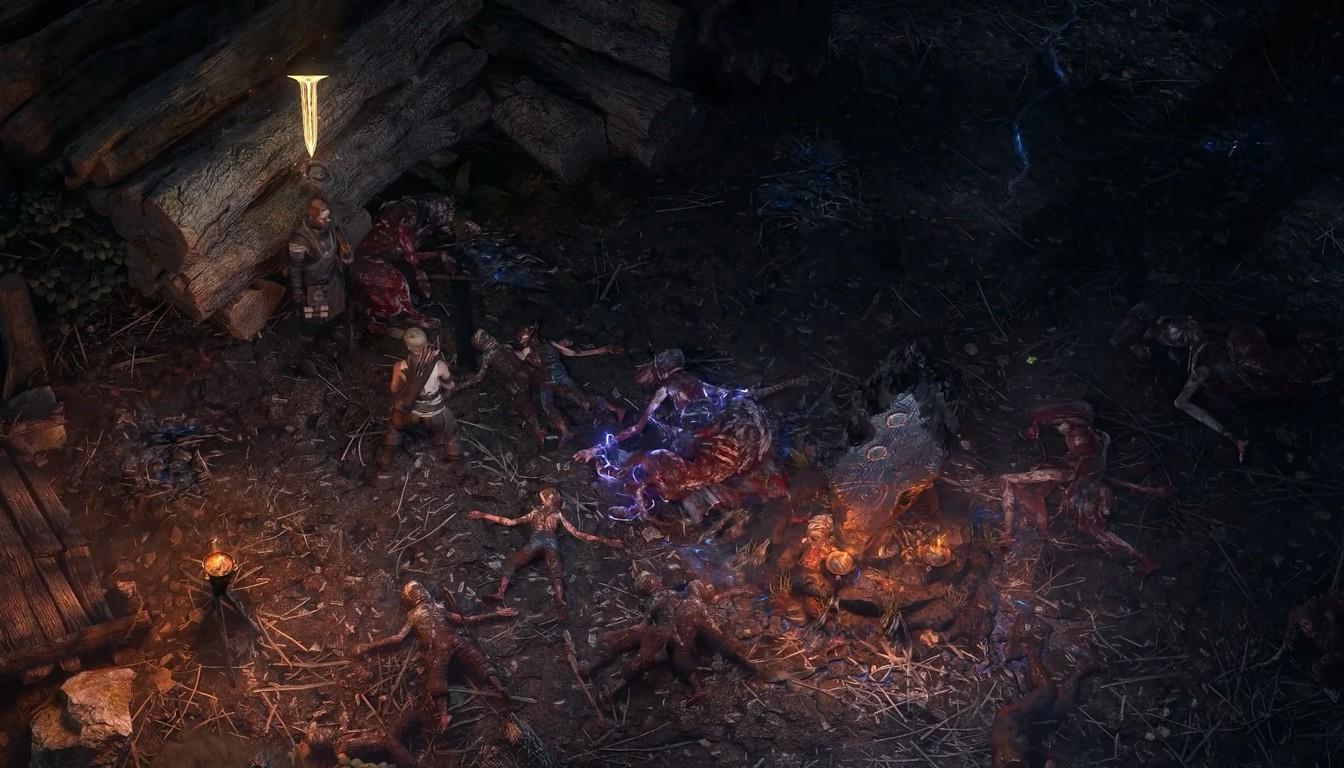
In broad strokes, the loop goes like this:
Find a Remnant while clearing a zone or map.
Interact with it and read the rune symbols.
Choose the reward or combination you need.
Get ready and confirm.
Kill the empowered undead.
Claim your reward.
According to the league preview, symbols affect more than the prize: a stronger combination means tougher enemies. On high-tier maps it is smarter to check your defenses first and then go for a bigger reward.
If you do not want to run the campaign just to farm Remnants, hand that part off: we offer campaign boosting and, for the endgame, you can rent a booster.
Runeforging and Verisium
Runeforging is a crafting system built on Verisium. The resource ties into the patch story: in the Ocean/Expedition storyline players chase a Verisium meteor. According to the league preview, you can also earn it from Remnant encounters.
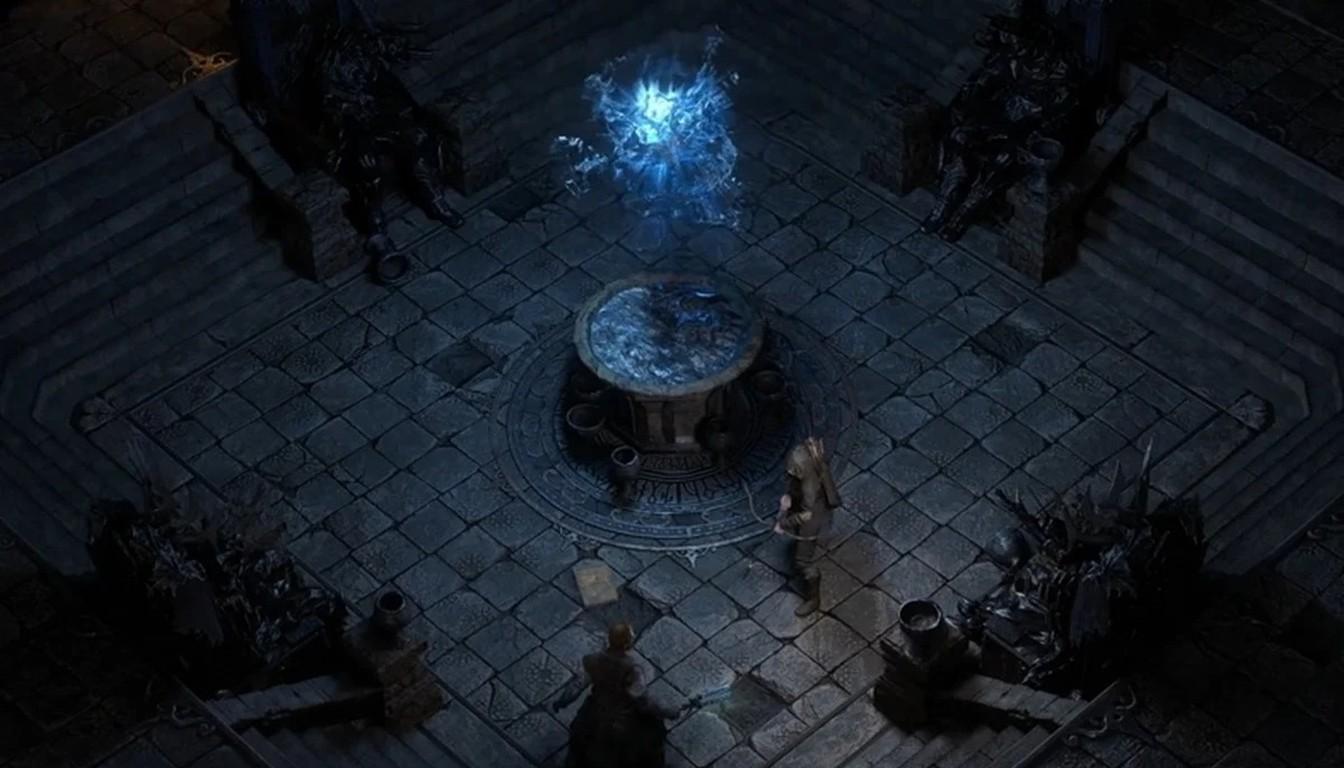
What matters most about Runeforging:
Weapons and armor. A recipe from Act 3 unlocks runeforging for unique weapons and armor.
Items below level 55. A reforged weapon hits harder, and armor gains more base defense plus Runic Ward.
Armor of level 55 and above. Some regular defense is traded for Runic Ward.
In practice, Runeforging does not pay off for every item. If your build relies on classic armor or evasion, the lost defense can hurt. If you need a pool of Runic Ward for skills, the trade makes sense. The result depends on the item base, so compare the final numbers before you confirm.
Runic Ward: What It Is and How to Use It
Runic Ward is a defensive resource introduced with the league. Runeforged gear provides it, for example the result of reforging armor. The size of the bonus depends on the base: some items give a little, others a lot.
For your build this means three things. First, treat Runic Ward as a separate layer of defense next to armor, evasion and energy shield. Second, weigh the trade: how much regular defense you give up against how much of the resource you gain. Third, check whether your skills need it, because according to the league preview some of the new skills spend Runic Ward.
If you doubt your math, our specialists can check your build or improve your build.
Kalguuran Skills and Supports
Patch 0.5.0 added 23 Kalguuran skills and 7 supports. According to the league preview, these are special gems that ignore color and attribute requirements and spend Runic Ward instead of mana. Check the exact numbers for each gem in the game itself.
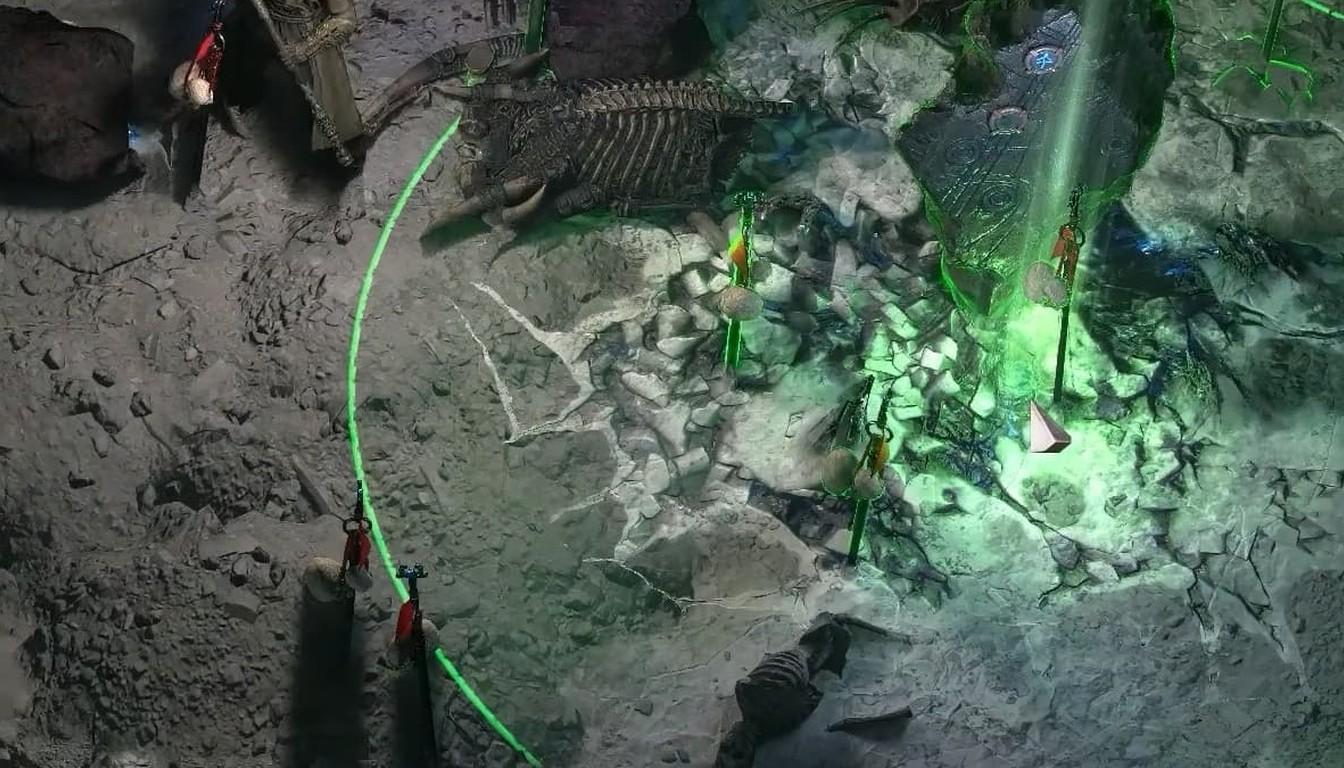
How to put them to work:
Fit these gems around your main build, not in place of it. Many of them change how familiar skills behave.
Plan your Runic Ward pool ahead of time. If your defense is thin, spending it on skills is risky.
Keep the basics in mind: regular uncut skill gems and uncut support gems are still the backbone of any build.
Runes, Alloys and Gear Customization
The league gives you plenty of material for customization. According to the patch notes, there are 13 Ancient Runes and 13 Mythical Runes, 13 Alloy currencies and 3 Fluxes. Runes socket into items for direct bonuses, while Alloys and Fluxes work as crafting currencies.
How to approach the choice:
Pick runes for the slot and for the goal of the build, not everything at once.
Save crafting currency for items you have already decided to keep. For classic crafting, Chaos Orbs come in handy.
If you need a working set fast, you can order leveling gear.
Expensive items are a separate story. Kalandra's Touch and the Mirror of Kalandra are still the costliest ways to copy items, but you do not need them to clear the league.
The League in the Endgame and What to Do Next
Runes, Runeforging and Kalguuran skills matter most in the endgame. Gear built on the league systems gets tested against bosses like Olroth, so plan your defense and Runic Ward pool ahead of time.
A simple plan for the league:
Start a new character and clear the campaign while collecting your first runes.
Decide on Runeforging and your Runic Ward pool before the endgame.
Pick Kalguuran skills that fit your main build.
Try tougher Remnant combinations once your defense is ready.
Patch 0.5.5 reworked the Trial of Chaos, and that mode now fits well into endgame preparation. Check the remaining league details against the patch notes, since the game keeps getting updates.