Covens of Umbra in PoE: Fates, the Wickerman and Threads of Creation
A League Built Around Rituals and Bosses
Covens of Umbra is patch 3.30 for Path of Exile. The league launches on November 13, 2026 on PC, PlayStation and Xbox, and it brings permanent endgame changes with it. The numbers below rely on the reveal and previews, so some values may shift after launch.
The idea is simple. Groups of witches called Covenites perform rituals across Wraeclast, trying to summon the Coven Queen. Disrupt a ritual and you earn Fates, which you use to empower the area boss. A stronger boss pays out better.
What changes for you right away:
Fates and the Wickerman make bosses the main source of character power.
Threads of Creation replace Scarabs in the Map Device.
Older mechanics (Harvest, Incursion, Expedition, Mirage) got notable changes.
Items now show tiers, and Item Rarity reaches further.
Rituals and Fates
Covenite rituals show up in the campaign and on the Atlas. Defeat the participants and you collect Fate cards, then choose which ones to apply to the area boss before the fight.
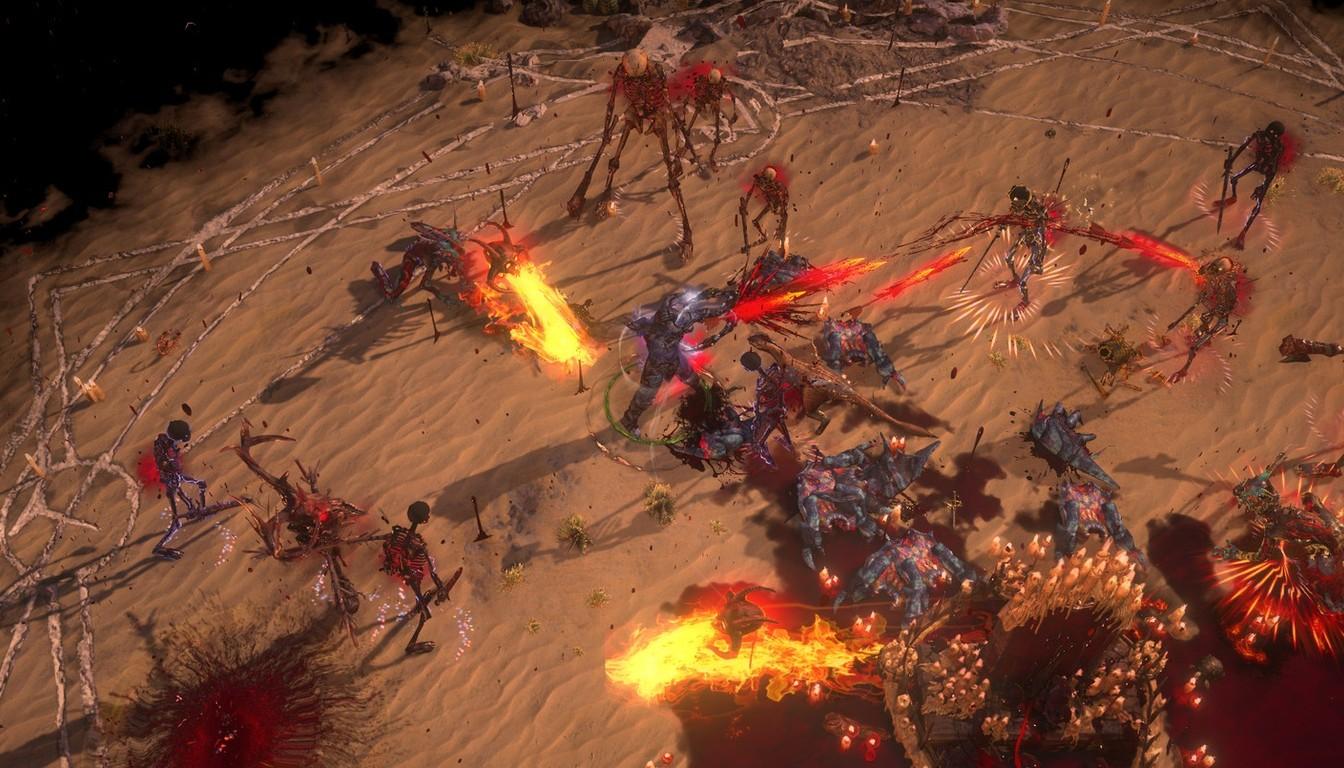
Each Fate adds modifiers to the boss and raises the reward.
You can apply several Fates to one boss, and their effects stack.
In practice, don't chase the maximum on your first cards. A stack of Fates turns an ordinary boss into a real build check, and if you die on the approach, you lose more clear speed than you gain in rewards. Take only what your character handles comfortably.
The Wickerman and Grim Fates
Kill a boss under the effect of Fates and you get Viscera, a trophy tied to that specific campaign or map boss. You equip them through the Wickerman, and each one grants extra bonuses. The Wickerman has four body-part slots, reported as Head, Arm, Body and Leg, so up to four Viscera work at once.
It is a new axis of build customization: by choosing whose trophies to wear, you reshape your character without hunting for gear. Good trophies come from tough bosses, which means you want to run rituals regularly rather than when they happen to appear.
For the endgame there are Grim Fates. They empower Pinnacle bosses, drop Pinnacle Boss Viscera and open the way to the Coven Queen. This is the hardest part of the league, so go in with a finished build and a defensive buffer.
If you don't have time to gear up, you can start the league with a ready character and leave the gear choices to a team of experts.
Threads of Creation Instead of Scarabs
Scarabs are gone. Threads of Creation take their place: you slot them into the Map Device and pick which league mechanics to enable on a map.
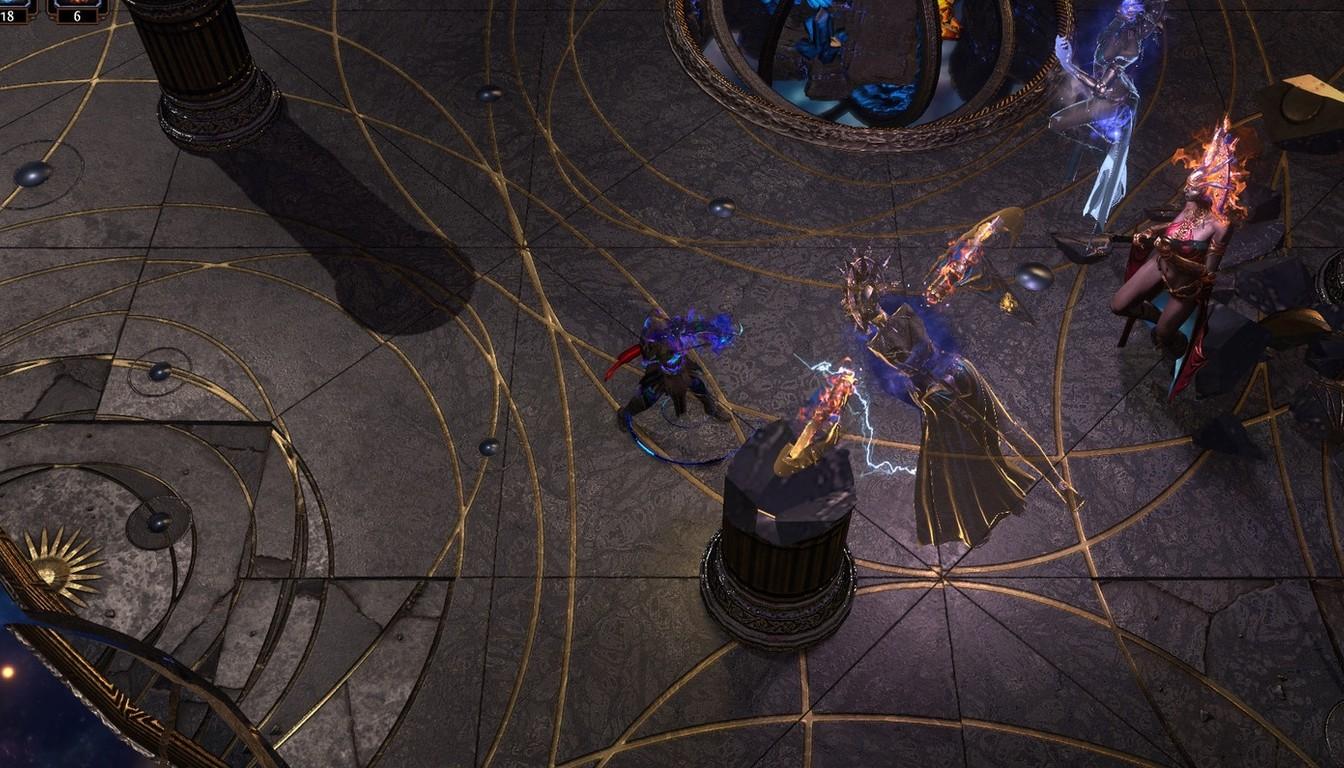
Up to three Thread types can be used on one map.
Up to eight Threads can go into a single mechanic.
The deeper the investment, the tougher the monsters and the higher the chance of strong mechanic-specific modifiers.
The Atlas passive tree is reworked alongside Threads: some bonuses that Scarabs used to provide are reported to move into Atlas passives, and Blight and Expedition get more ways to specialize. If you are used to the old farming setup, study the new tree first and spend resources second.
A tip for the start: put one or two Threads into a mechanic until you see how your build handles it. You can always add more later, but a map where you died with an expensive setup costs far more.
What Changed in Older Mechanics
The league also touches content you already know from past seasons:
Harvest. The Sacred Grove is no longer needed: Roots appear right in maps and replace it. You can modify them with currency before activating.
Incursion. In the Temple of Atzoatl, Atziri takes the place of the Vaal Omnitect, and some rooms get new rewards and crafting options.
Expedition. Gwennen now offers a crafting service: you bring a Rare item and pick between two crafting outcomes, then a coin flip decides which one applies. The gambling stays, with crafting added on top.
Mirage. It returns as part of the core experience. Mirages appear randomly or through a map modifier and now cover the entire map. Saresh returns too, and the fight is much harder than before.
For farmers this means some familiar routes are outdated, so spend your first maps scouting rather than chasing records.
Item Tiers and Rarity
Loot is easier to read now. Magic and Rare items show tiers. Higher tiers roll higher-level modifiers and are more likely to have sockets and links. Tier 5 Magic items can drop with a fractured modifier, which makes them ready-made crafting bases.
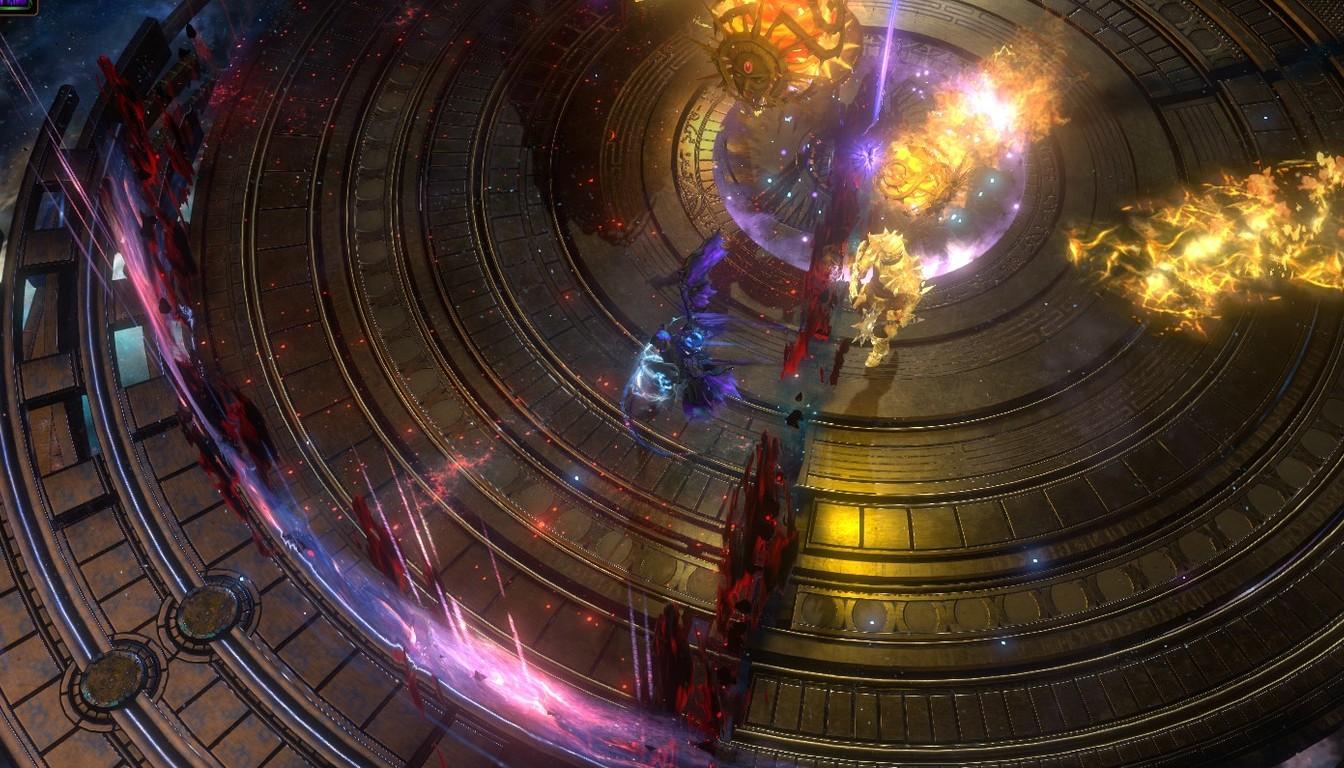
The practical step is to update your loot filter to highlight high tiers so you stop opening every drop by hand. Tier numbers and chances are preliminary, so fine-tune the filter after the first days of the league.
Per the announcement, Item Rarity from maps and monsters now also affects currency and Unique drops, while rarity on equipment works as before. If that holds, hard maps with rarity modifiers become more attractive, and a Magic Find Build will need a new balance between gear and maps.
Plan your starting budget too: Divine Orbs are for trading and pricing finds, Chaos Orbs for everyday crafting, and Exalted Orbs for adding modifiers.
How to Start the League
A checklist for the first days:
Pick a build that clears the campaign well, since the endgame changes matter after it. The League Starter Builds PoE page has options.
Don't skip campaign rituals: early Fates and Viscera give you a power buffer for maps.
On the Atlas, start with few Threads and look over the new tree before locking in a route.
Update your loot filter for visible tiers.
To save time at the start, there is Character powerleveling Path of Exile to the level you need, and you can order a Custom Build from your Streamer PoE for your favorite mechanic. That way you reach maps at the start of the season, not a week later.