WoW Forever Mining Guide: Ores, Smelting and Leveling to 300
What to know about the profession up front
Mining in WoW Forever works the way veterans remember: you carry a pick, walk up to a vein and gather ore, stone, gems and scarce resources for blacksmiths and engineers. The difference is that much of the friction is gone. You can start in the starter area, and veins return faster wherever players gather.
Leveling to 300 follows your character's growth: new ores unlock as you level and sit in more dangerous places. Mine on the way instead of returning to low-level zones just for skill points.
Below you will find what is new, how to get from 1 to 300, where the gold is, what to wear and which classes handle the job best.
What changed compared to Classic
The first change is the start. Poor Copper Ore Veins and Junior Mining Trainers now appear in starter areas. They teach Apprentice Mining only, up to 75 skill points, but no character level is needed to begin the profession. Higher ranks come from trainers in cities and camps, and player reports say Journeyman needs 50 skill and character level 10.
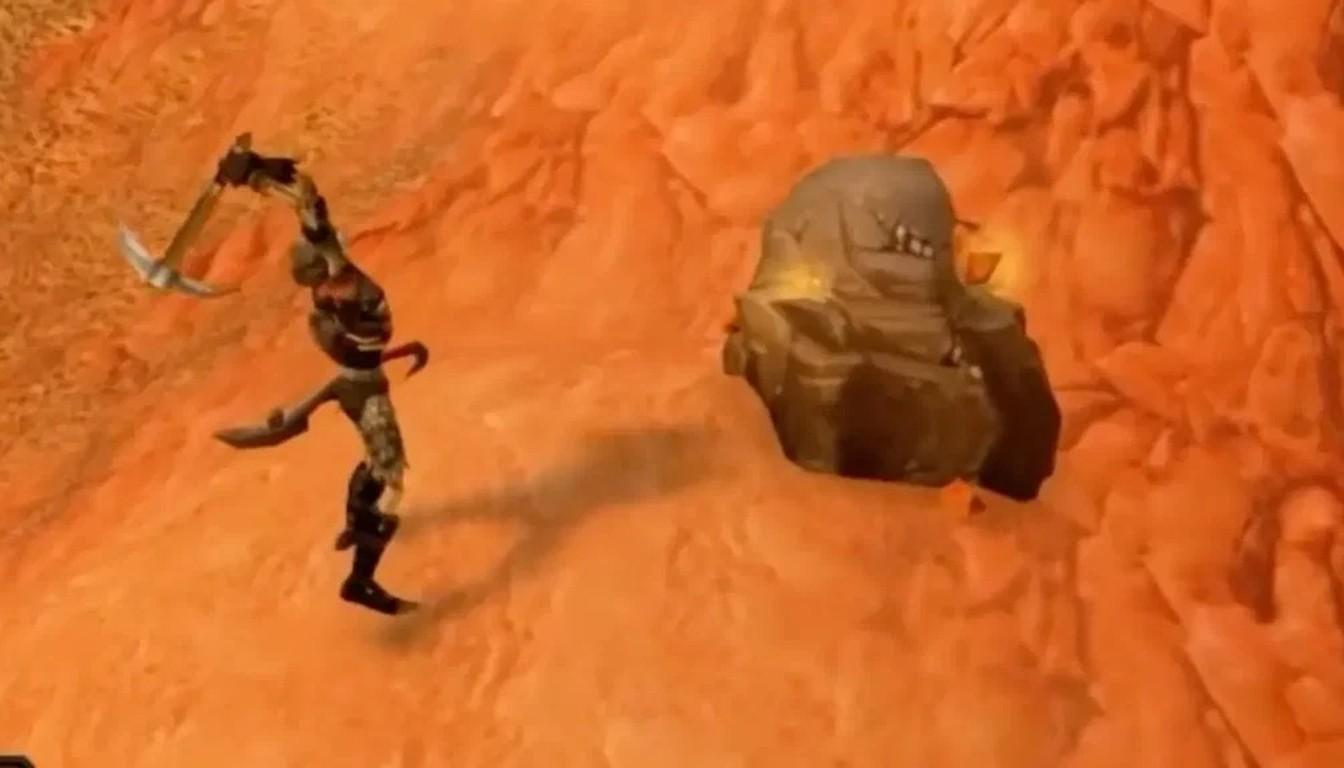
The second change is node respawns. Spawn speed scales with the number of players nearby: in busy areas ore comes back quickly, while quiet places settle at a normal pace. Waiting by an empty vein is less of a problem.
The third change is tracking. You can now track several resource types at once, such as ore and herbs, without switching between Find Minerals and Find Herbs. Junior trainers also sell the Apprentice's Mining Pack, a 4-slot bag for ore, stone, gems and bars.
New materials and bars
Late-game mining gains Heavy Thorium Ore and new scarce materials: Pyrite, Bauxite and Pitchblende. Player reports place Pyrite on lower-tier veins and Bauxite on higher ones. Heavy Thorium veins are found in Mount Hyjal.
Heavy Thorium Bar is smelted from Heavy Thorium Ore at a Molten Foundry, at roughly Mining 300.
Azerothium Bar uses two Pitchblende and one Coal, at roughly Mining 275.
Legionite Bar is transmuted by alchemists from a Heavy Thorium Bar.
These bars feed top-tier recipes, so they tend to be in demand. Exact drop figures are still beta data and may change before release.
How to level Mining from 1 to 300
The route has four stages, and each opens rarer ore in more dangerous zones. Follow vein colors: orange always gives a skill point, yellow gives one with a good chance, green rarely, and gray never. Once a vein turns green, move on to the next type.
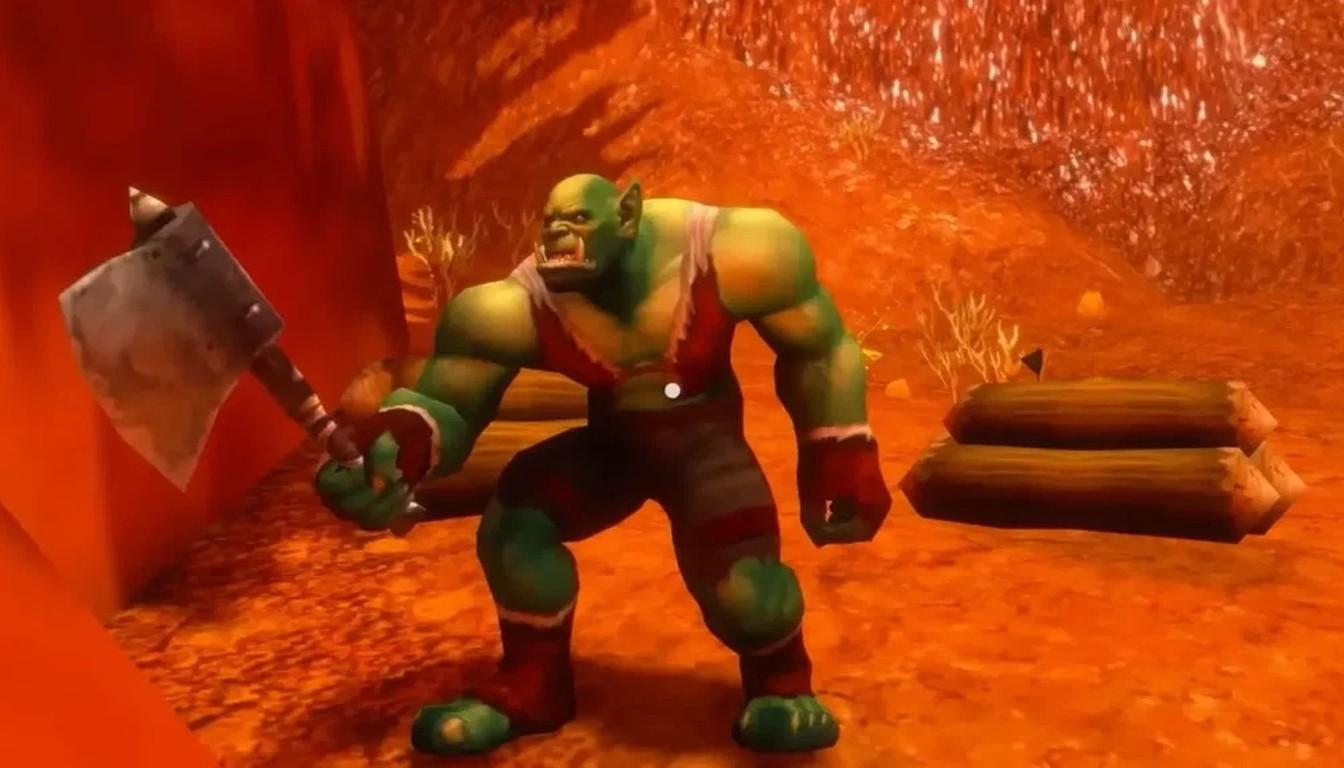
1-75. Poor Copper veins in starter zones and along quest routes. Tin veins open at about 65 skill.
75-175. Silver, iron and gold. Many veins sit in contested zones, where PvP servers can be dangerous. Once your character is comfortable in level 25-30 areas, ore becomes much more plentiful. For a fast way through this stretch, see our 1-60 leveling service.
175-230. Mithril veins. Gold stays green until 205, so hunt both in parallel.
230-300. Truesilver, Dark Iron, Small Thorium and Rich Thorium. They spawn rarely, and the final stretch is the slowest.
Smelting also grants skill, but according to player reports only up to about 185, and recipes fade over time: copper works until 65, tin until 75, bronze until 100, silver until 125, iron until 140 and gold until 185. There is a gap between iron and gold that only mining can close.
Vein type | Orange from skill |
|---|---|
Copper | 1 |
Tin | 65 |
Silver | 75 |
Iron | 125 |
Gold | 155 |
Mithril | 175 |
Truesilver and Dark Iron | 230 |
Small Thorium | 245 |
Rich Thorium | 275 |
For the top end, players recommend areas like Azshara and dungeons such as Lower and Upper Blackrock Spire or Dire Maul. The table figures come from player reports and may shift during the beta.
How to make gold from mining
Mining needs no investment, which makes it an easy entry into earning gold. Blacksmiths and engineers need ore and bars, so demand stays steady. Check auction prices before selling, because sometimes ore pays better and sometimes bars do.
Player reports suggest Herbalism as the best partner: both professions gather along the same routes with no extra cost. If you plan to take Blacksmithing or Engineering, keep what you mine. It saves gold early, and you can sell surplus later.
The Legacy system helps too. The Bountiful Harvest talent increases scarce materials from mining, herbalism and skinning, especially useful with Herbalism. You buy talents with Legacy Points. If you turn in supply crates, the Performance Bonus talent can bring extra Merchant's Favor.
Gear that adds Mining skill
Options are few, but together they add up to 12 points, enough to reach the next breakpoint early.
Glove enchants. Mining gives +2 and Advanced Mining gives +5. They need Enchanting 145 and 215 respectively.
Miner's Cape. +2 skill, dropped by Miner Johnson.
Goblin Mining Helmet. +5 skill, requires Engineering 205.
Smelting Pants. Cut smelting craft time by 25%. They drop from Gilnid.
Rockslicer. Lets anyone mine copper, tin, silver and iron, but has only 30 charges. It drops from Rhahk'Zor in The Deadmines. Spend charges only on ore like iron that you cannot gather otherwise.
If you are collecting all of this gear at once, the list of all dungeons shows where useful drops come from.
Best classes for mining
The ideal miner reaches a vein, gathers it and leaves without a fight. Guide authors name three classes as best at this.
Hunter. The pet takes hits, and Feign Death drops threat.
Warlock. One of the easiest solo levelers, and the Voidwalker tanks well. Mobility is lacking, but the free mount helps, and you can unlock riding earlier.
Druid. Prowl avoids mobs, and Travel Form speeds up runs between veins.
Other classes work too. Play what you enjoy.
Where to train the profession
Junior trainers stand in starter zones and teach Apprentice only. They are Kelsey Fargo in Northshire, Vartha Rockmane in Mulgore and Fanorran Stilloak in Shadowglen.
Further training happens in big cities and some settlements of both factions: Stormwind, Ironforge, Orgrimmar, Thunder Bluff and Undercity. Neutral trainers exist as well. A junior trainer gets you to Journeyman, then you will need a trainer in a larger hub.
A practical order: take Apprentice from a junior trainer, grind copper on your quest route, travel for the next rank once you have 50 skill and character level 10, and smelt while it still grants points. That way you will not hit the gap between iron and gold without a stock of ore.