How to Gain MMR in Dota 2: A Practical Ranked Plan
To gain MMR in Dota 2, you need more than a large number of games. Build a repeatable plan around a clear role, a small hero pool, a reliable lane and decisions that turn an advantage into destroyed structures. A useful match for improvement is one where you can explain your choices and check them in the replay.
This guide focuses on climbing through your own ranked play. It helps you choose a practice goal, diagnose map mistakes and measure progress without promising a specific medal within a week. The plan mainly addresses ordinary ranked matches; additional Immortal Draft requirements need separate consideration.
Start with your last ten games. Record your role, hero, lane outcome and the cause of the first serious loss of advantage. Repeated problems give you a starting point. Fixing those situations matters more than changing your hero, build and position after every defeat.
How MMR works and what changed in ranked
MMR represents an estimate of your playing strength. Rank Confidence describes how certain the system is about that estimate: it is neither your win rate nor your progress toward the next star. In the Glicko model, match results affect your rating and confidence helps the system assess it more accurately. Rank Confidence can decline during inactivity.
Calibration is not a mandatory ten-match checklist. Do not plan a climb around the idea that every win always gives 25 points: rating changes are not a fixed reward. Check the actual changes on your account rather than converting a target gain into a promised number of matches.
Summer Scrub 2026 removed Ranked Classic and Random Draft from the available ranked modes. The same update adjusted Immortal players' MMR while preserving relative player placement and leaderboard positions. Old screenshots of high ratings are therefore poor comparisons for the current scale. Before queueing, check your selected roles and Role Queue Tokens in the client.
Choose a role and build a working hero pool
Choose one primary role for your next practice cycle, with backup options prepared for other assignments. Climbing as a support is entirely possible: impact is not measured by kills alone. Keeping a carry alive, locating an opponent in time or starting the right engagement can decide the next fight.
Start with two or three familiar heroes for your main role. Your first option should reliably perform the position's basic job. The second should help in situations that are uncomfortable for the first. Keep a third for bans or an obviously poor fit with your team. This is an editorial practice framework, not a compulsory hero count for success.
Position | Task to review | Common trap |
|---|---|---|
Carry | Collect resources safely and enter a fight with a useful item | Joining every skirmish and delaying a key purchase |
Mid | Connect your lane outcome to pressure elsewhere | Chasing a random kill while losing a wave and tower |
Offlane | Create space and start suitable team actions | Jumping first while allies are too far away |
Support | Provide lane stability, information and access to useful territory | Warding an area where the team does not intend to play |
Before picking, ask who starts fights, who damages buildings and who can stop a dangerous target. Do not try to cover every draft weakness with one unfamiliar character. A comfortable hero with a useful assignment is usually a better practice choice than learning a difficult counter for the first time in ranked.
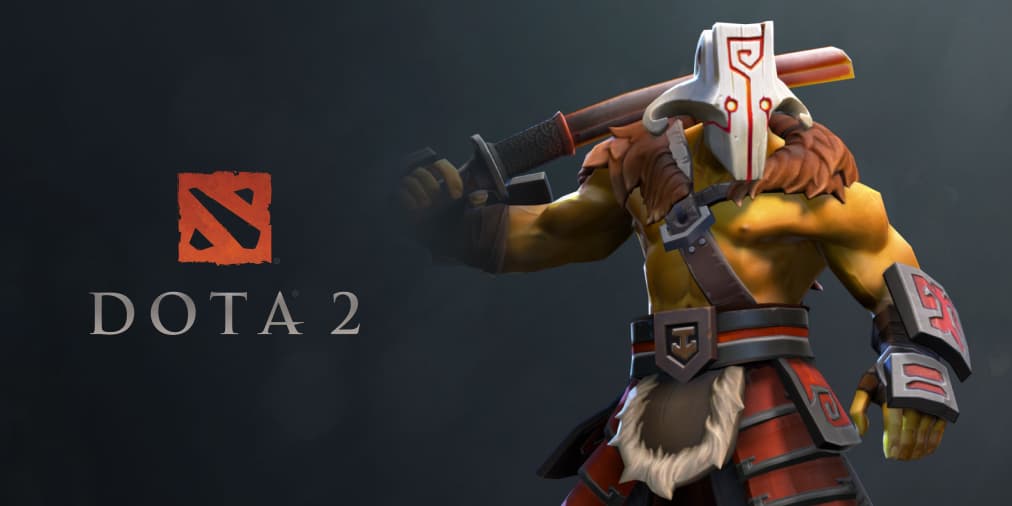
When practicing carry, learn a compact pool and a repeatable plan; a familiar Juggernaut is one possible example, not a required pick.
Laning: prepare your next actions
During loading, identify how the opponents can kill you and what your lane duo needs to trade effectively. If the enemy wins extended exchanges, do not turn every last-hit attempt into a long fight. Manage health and mana for the next engagement as well as the current creep.
Watch the wave's position. If every last hit requires walking far from safety, identify what moved the wave there: unnecessary attacks, spells hitting creeps or enemy actions. Lane problems often need a response through wave management and resources rather than another attempted kill.
Supports should announce departures in advance. Before moving, assess whether your partner can still gain experience without an immediate threat of death. Cores should communicate purchases that enable aggression. A message such as 'we can pressure after my item arrives' gives the team a clearer plan than repeatedly asking it to attack.
When the lane is lost, compare staying and risking another death with conceding some resources while preserving your ability to play. Leaving should not be automatic, but defending a lost position at any cost does not recover the advantage either.
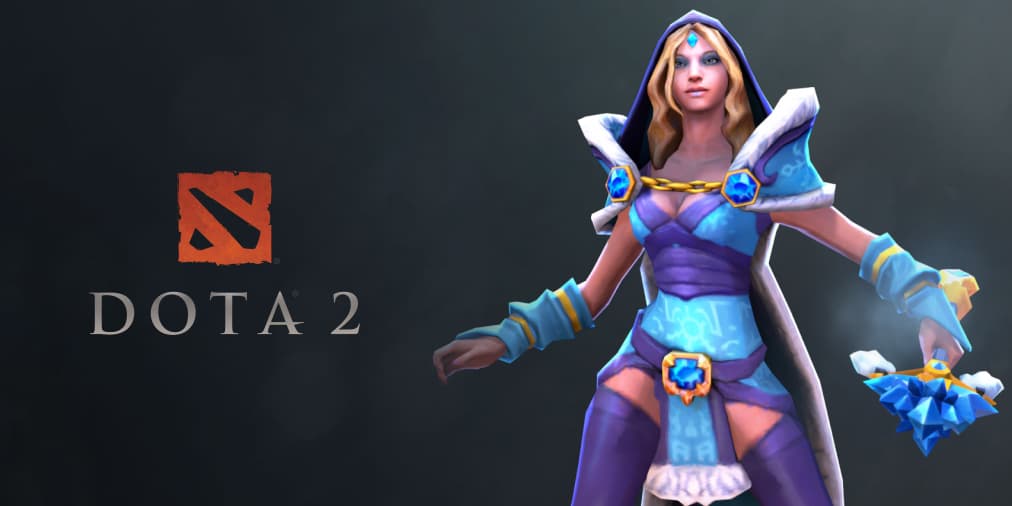
Supports also influence MMR growth: lane resources, timely assistance and safe positioning matter more than chasing kills.
Map movement: farm with a response to threats
Before taking a distant wave, check which opponents are visible, which allies could help and where you would escape if attacked. When the heroes capable of killing you quickly disappear from the map, weigh one wave's income against a possible death and the next objective your team might lose.
Build your route from nearby useful actions: take an available wave, collect resources along the way, move closer to allies and prepare for the next objective. Random movement between different parts of the map often leaves you with neither farm nor meaningful participation in a fight.
Two allies do not always need to move toward the same safe wave. Check whether resources can be distributed while a support stays near the more vulnerable target. When safe territory is limited, first consider how to regain control of an area, then send a hero there to farm.
Fighting: make each purchase solve a problem
Before buying the next item, explain why you cannot do your job: you get disabled, cannot reach a target, cannot survive the opening damage or cannot protect an ally. Choose a response in the current shop and read how the relevant interactions work. A build from your previous good game does not automatically fit a different enemy lineup.
Before a fight, answer three questions: which target do you want to attack, which enemy action are you waiting for, and what will you gain after winning? If a key allied spell is unavailable and an objective can be conceded without a critical loss, delaying may be more useful than forcing an immediate engagement.
After winning, evaluate structures, Roshan and territory first. Do not sacrifice an available objective to chase the most distant opponent. Before entering the enemy base, check waves, team condition and resources: a kill advantage does not make every push safe.
Review a replay in ten minutes
Do not start with the final fight at your Ancient. Find the first action after which the game became substantially harder. Rewind a little and watch with the information you had when making the decision, rather than the spectator's unrestricted view.
Write down what you wanted: a wave, kill, vision or tower.
Identify the threats you could see and the heroes missing from the map.
Find one achievable alternative: a different route, waiting for an ally or abandoning the attack.
Turn it into a rule for the next match, such as avoiding a distant lane until dangerous opponents show themselves.
Review a win as well. A risky move that happened to work does not automatically become reliable. Assess the decision against the information available at the time, not just the final scoreboard.
A ten-match practice cycle
Choose one measure that you can influence. For a core, this might be deaths before the first key purchase. For a support, it might be unprepared lane departures or deaths while establishing vision. Do not set five new tasks at once: they are easy to forget during play.
Matches 1-3: record the recurring mistake without trying to rebuild your entire game.
Matches 4-7: apply one specific correction and note whether you executed it.
Matches 8-10: check whether the habit holds in difficult games and after a lost lane.
Ten matches are a convenient review block, not proof of your true win rate. After the cycle, compare mistake frequency and decision outcomes, then choose the next task. End the session if fatigue prevents you from following the map or if you are queueing only to recover lost points. A short message about the next action is more useful than an argument about a past mistake; mute an exchange that obstructs useful communication.
Frequently asked questions
Can you gain MMR as a support?
Yes. Focus on the lane, vision that prepares team actions and effective use of resources in fights. Switching to core does not automatically fix positioning or engagement timing.
Should you change heroes after several losses?
Check the reasons first. If you repeatedly die alone or take poor routes, a new hero will not remove that habit. Change the pool when you understand which task your current options cannot perform.
How many games does it take to earn the next medal?
There is no universal number. It depends on your starting rating, results and actual MMR changes. Do not estimate a deadline using a guaranteed gain per win.
Should you recalibrate for a quick climb?
Do not treat recalibration as free rating. The new estimate can be lower. Restore your playing skills first and check the conditions available in your own client.