Overwatch Tier List: 18 Heroes for Ranked 5v5
The best Overwatch hero is one whose strengths you can use in the fight in front of you. Sigma helps hold distance, Winston opens access to high ground, and Ana creates a finishing window. If the team cannot support that plan, a high placement on somebody else's ranking will not solve the problem.
This is an editorial shortlist for regular Competitive Role Queue 5v5, primarily from Bronze through Diamond. We value a clear game plan, usefulness without constant voice coordination, and the ability to adjust during a match. It is neither a win-rate ranking nor a complete list of every character.
The recommendations account for changes checked on October 15, 2026. Stadium, 6v6 and tournament compositions require different assessments. Old role lists are particularly misleading: October's rework moved Sombra to support, while Roadhog gained another tool for dealing with projectiles.
What S, A and B mean here
S means a dependable foundation for the intended task, rather than a mandatory pick on every map. A means a strong alternative that benefits more from a suitable composition or confident execution. B means a more specialized or demanding choice. These placements express our assessment of how reliably a plan works in everyday ranked play, rather than an objective order of hero strength.
Role | S: pool foundations | A: strong alternatives | B: conditional choices |
|---|---|---|---|
Tank | Sigma, D.Va | Winston, Reinhardt | Zarya, Wrecking Ball |
Damage | Ashe, Soldier: 76 | Tracer, Reaper | Widowmaker, Genji |
Support | Ana, Kiriko | Juno, Baptiste | Lúcio, Mercy |
The table covers 18 heroes for a compact personal pool. An omission does not mean a character is weaker than those listed: the map, lineup and player experience can change the right choice. Recently reworked Sombra and new support Doctrine are outside this shortlist.
Tanks: choose how to take space
Sigma and D.Va: two dependable approaches
Sigma takes S for fighting at distance. His barrier, projectile absorption and Accretion provide several ways to manage pressure without requiring an immediate full-team dive. Hold a corner, cut off an important firing line, then advance pressure with your allies. Avoid spending every defensive tool together before the opponents have actually committed.
His limitation is access. When enemies keep changing elevation or close distance quickly, owning one corridor stops solving the problem. Try repositioning first. If your team still cannot reach the targets that matter, a mobile tank offers a clearer answer.
D.Va takes S as a flexible response to movement between positions. Boosters let her challenge high ground, while Defense Matrix can protect an ally against suitable incoming fire. Before attacking, identify where you will return. Chasing one opponent across the map can leave everyone else exposed, turning useful mobility into isolation.
Winston, Reinhardt and narrower options
Winston is A because he helps a team pressure a distant position together. Choose a target, confirm that allies are ready, and jump with a clear exit in mind. His barrier helps divide a fight, but it does not replace cover after the engagement ends. Jumping while everyone else is returning from spawn simply gives the opposition a convenient target.
Reinhardt is A for approaching through cover and fighting in confined spaces. His job is more than holding a shield. Bring the team into a range where his hammer creates a threat. A long exposed sightline without a safe approach is a reason to change the route or the hero.
Zarya and Wrecking Ball sit in B under these criteria. Zarya requires deliberate allocation of defensive resources; Wrecking Ball requires map knowledge and independent escape planning. An experienced specialist can extract more from them than from an S pick. They are harder to recommend as someone's only answer to every map while learning from scratch.
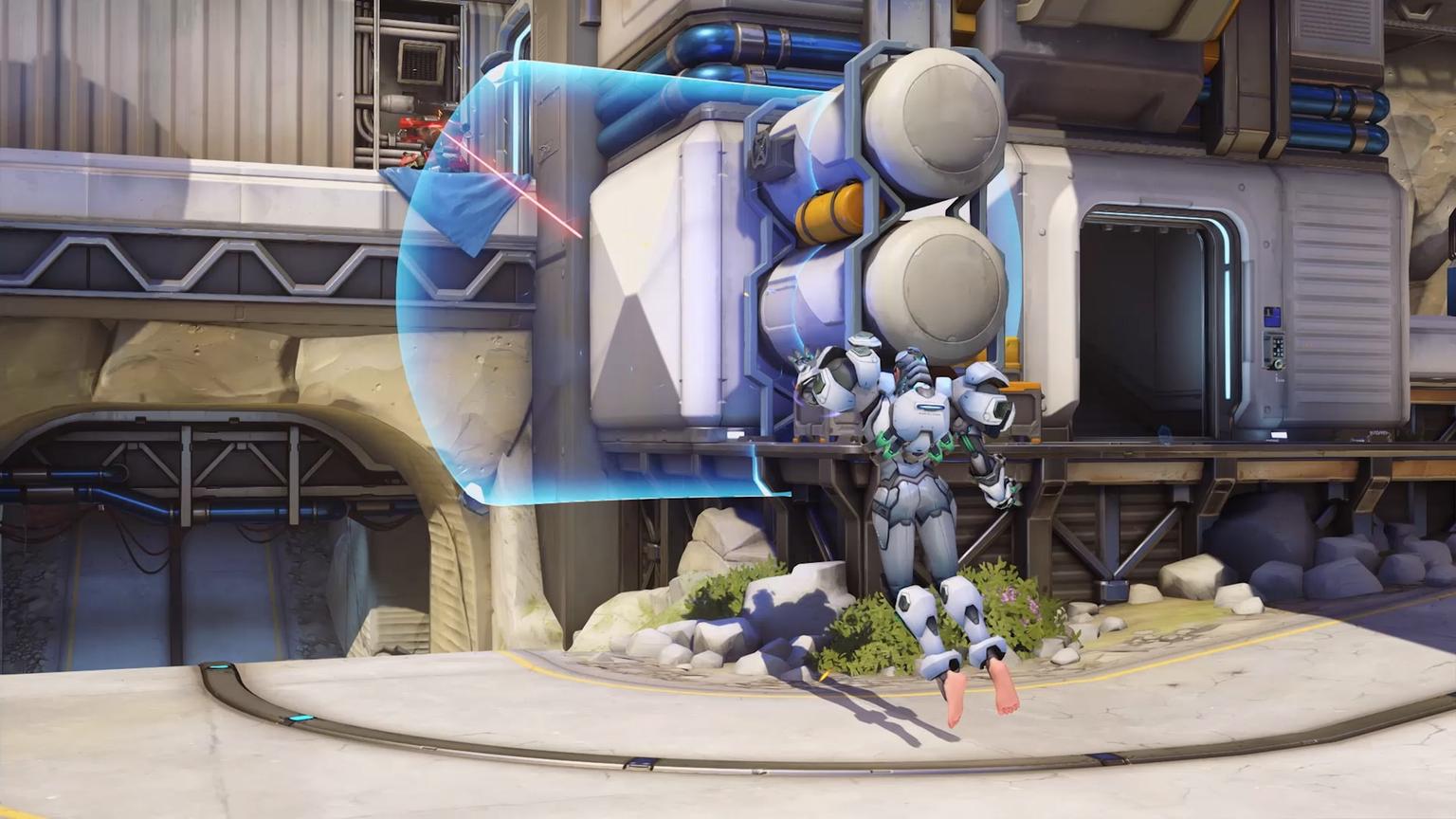
Sigma’s barrier can cover a chosen firing line; natural cover remains part of the position.
Damage: create pressure the team can use
Ashe and Soldier: 76
Ashe is S for controlling medium and longer firing lines. Her rifle and Dynamite pressure different targets, while Coach Gun offers movement and knockback. Start where you can see the fight and reach cover. Avoid sharing the exact same wall as everyone else: a modest side angle forces enemies to divide their attention.
Soldier: 76 earns S for a readable action cycle: claim a position, fire at an available target, and relocate when pressure comes back. Sprint and Biotic Field support independent play, but they do not make every flank safe. If allies cannot support your angle, choose a shorter escape route.
Tracer, Reaper, Widowmaker and Genji
Tracer is A. Her mobility is particularly useful against a target whose attention is elsewhere. Engage when the frontline does, and preserve an escape resource. A long duel far from the objective may look active without giving the team any useful space.
Reaper is A for close engagements and punishing careless movement. Approach through cover, wait for attention to shift, and plan the exit before you shoot. If you have to cross an open square under several weapons, the problem begins before the duel.
Widowmaker and Genji are B as more demanding solutions. Widowmaker needs a threatening sightline and a way to manage pressure on her position. Genji needs a clear understanding of engagement and finishing timing. Do not replace a practiced Soldier: 76 with an unfamiliar Genji just because of a balance update: a new damage number does not provide execution skill.
Supports: value extends beyond healing totals
Ana is S for a player who maintains a safe sightline to allies. Biotic Grenade opens a window against enemy healing, while Sleep Dart helps answer a dangerous engagement. Time those tools around the actual fight. Spending both during a quiet exchange and then meeting a flanker without a response is not corrected by a larger healing total.
Kiriko is S because she combines support, movement and Protection Suzu. A useful position lets her assist the frontline while retaining a route to an ally. Check the destination before teleporting: escaping one dangerous place directly into another can turn one lost life into two.
Juno and Baptiste are A. Juno helps a team alter its pace and move together; Baptiste benefits from a stable position where he can alternate fire and healing. Choose between them according to what allies need. A mobile team spread across elevations asks different questions of its supports than a group holding a single corner.
Lúcio and Mercy are B for independent play without assured coordination. Lúcio's speed is especially useful when teammates are actually ready to use it. Mercy gains value beside an ally who can convert damage amplification into pressure. Their placement changes with the quality of cooperation, rather than with an opinion about the characters themselves.
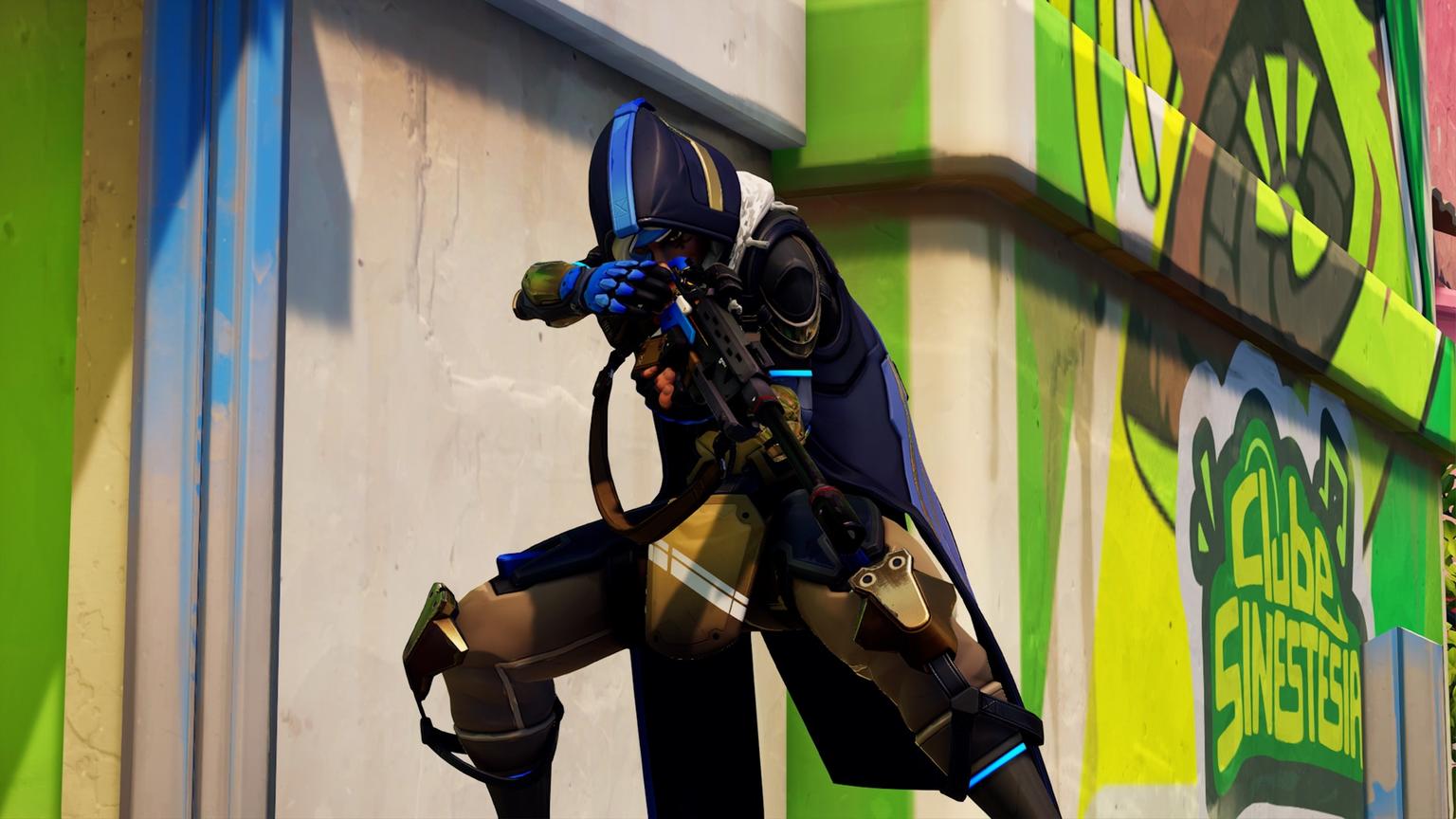
Ana needs a sightline into the fight and reachable cover, rather than healing totals alone.
Build a three-hero pool
Choose a foundation matching your preferred style, such as Sigma, Ashe or Ana.
Add a hero who answers a different task: high-ground access, close fighting or safer movement.
Keep the third choice for a recurring problem in your matches, rather than an unusual highlight scenario.
After a loss, distinguish a hero problem from a positioning problem. Switching characters does not fix another engagement without your team.
Review a choice after two complete engagements. Ask what task the hero should solve, whether you can reach that task, and what specifically prevents success. If the answer is a poor route, fix the route. If the task itself is inaccessible to the kit, a hero change now has a clear purpose.
FAQ
Which hero should a beginner try?
Soldier: 76 is a straightforward damage starting point from this shortlist. On other roles, choose a hero whose plan makes sense to you and prioritize positioning rather than aiming difficulty alone.
Should I always pick S-tier?
No. A familiar A or B hero on a suitable map can contribute more than an unfamiliar S pick. A tier list helps choose a learning direction, but does not replace practice.
Does this table apply to Stadium?
No. Powers, Items and between-round progression alter the value of abilities and the conditions for winning. Stadium needs a separate build assessment.
Why is Sombra no longer listed as damage?
October's rework moved her to support. Recommendations built around her former role need to be reconsidered for the current version.