The First Descendant Lepic Build: Overkill and Farming
Lepic can grow from a straightforward grenade character into a focused Overkill damage setup. Decide whether the immediate task is clearing groups or concentrating damage on one target. Trying to maximize range, duration, defenses and critical stats at the same time quickly runs into module-capacity limits.
The foundation below accounts for update 1.4.3's stronger grenades, Overclock changes, Traction Grenade charges and Overkill improvements. It is a practical setup to adapt to your account rather than a universal damage-record promise. Late-game modifiers, reactor options and the selected operation affect the result.
Start with base skills, a named module core and a working weapon. Choose a specialization next, and assign sockets after testing. Ultimate Lepic provides additional options, but Fire, Tech, MP management and selecting a safe attack window remain important for both versions.
Understand the important skills
Skill | Role | Base Arche Type |
|---|---|---|
Grenade Throw | Explosive group damage | Tech |
Overclock | Prepare an enhanced skill window | Singular |
Traction Grenade | Group enemies into a usable position | Singular |
Overkill | The main concentrated-damage window | Tech |
Fire and Tech describe different properties. For Grenade Throw and Overkill, use a reactor supporting that combination. Traction Grenade is Singular, so all four skills should not be treated as identical merely because they belong to one character.
Group enemies and choose your position before committing the main damage window. Against an enemy that cannot be pulled, Traction does not need to appear automatically in every rotation. Saving time and MP can be more useful than pressing an unnecessary button.

Luna and Lepic featured in the September balance update.
A named module core
Use the following cards as the starting layout. This is a list of socket purposes, not a demand to install every module at maximum enhancement immediately. Fit the core into your actual budget, then develop it and add flexible options.
Core module | Purpose |
|---|---|
Increased HP | Foundational survival |
Fire Specialist | Support the Fire damage direction |
Tech Specialist | Support the main Tech attacks |
Nimble Fingers | Reduce time waiting for skills |
Skill Insight | Develop skill critical-hit specialization |
Skill Concentration | Complement the critical-hit direction |
Fire Specialist belongs to Battle and Tech Specialist to Attack. The two cards are compatible; the other listed basic cards do not duplicate a named group. With a limited budget, establish HP and useful damage on your main skills first. Evaluate the critical pair together: a large critical-damage bonus does not create critical chance by itself. Check the resulting character stats rather than reading the card's percentage as a guarantee of that same final chance.
Use Skill Extension, Strong Mentality, Increased DEF and Skill Expansion as choices for the remaining normal slots. Priorities depend on the bottleneck: window duration, resource cost, defense or coverage. Treat alternative modules sharing a purpose as replacements to evaluate, rather than automatically stacking them over the existing choice.
Overkill and single-target setup
Add Skill Extension and Strong Mentality to the core first. The aim is to use a complete Overkill window without an unprepared MP budget cutting it short. Keep Increased DEF if mistakes otherwise end in repeated knockdowns. Consider Skill Expansion after checking actual hit placement and coverage.
A practical sequence is to prepare MP, choose a position with a clear firing line, activate Overclock and enter Overkill during a usable opening. On a Colossus, successful part removal is particularly helpful because the target interferes less with aiming.
Avoid activating Overkill immediately before a mandatory mechanic, relocation or an inconvenient boss state. Losing most of the window is worse than delaying the cast briefly. Use your main gun afterward while preparing another cycle.
Farming and group-clearing setup
Raise the priority of Skill Expansion and Nimble Fingers while retaining HP and the main Fire/Tech bonuses. Group enemies with Traction Grenade, use Grenade Throw and finish survivors with gunfire. Range is valuable when it catches another group, rather than merely enlarging a visual circle.
Increased Efficiency provides a different Overkill direction and is worth testing for a more mobile skill rhythm. Read the modified parameters after equipping it. Do not transfer the base skill's duration, cost and rotation assumptions unchanged to the modified ability.
Change one part at a time. Compare a route with the base setup and the modified version under similar equipment conditions. Review completion time, resource shortages and dangerous pauses instead of focusing only on the largest isolated damage event.
Reactor and External Components
For base Grenade Throw and Overkill, look for a Fire/Tech reactor, commonly Burning Mechanics. Check its Optimization Condition against the weapon you actually use. Attractive additional options should not automatically place an inactive reactor above a correctly functioning one.
For Overkill, evaluate useful duration, cooldown management, critical stats and relevant target bonuses. For farming, prioritize a comfortable cycle and coverage. Confirm the basic reactor match before comparing substats: extra options cannot fix an incorrect Attribute.
Start external components with Max HP and suitable defenses, then address MP needs. Avoid forcing a full offensive set if it makes the build unstable. Another real attack cycle contributes more than a theoretical bonus that repeated knockdowns prevent you from using.
Save separate farming and bossing loadouts so you do not need to rearrange cards from memory before each operation.
Weapon choices
Thunder Cage is an accessible main option for clearing and the gaps between skills. Its reworked electric effects are not limited to the old kill-only explosion description. Account for Quick Charge and hit interactions when evaluating its current behavior.
Begin the weapon page with Rifling Reinforcement and useful shooting improvements. Consider Fire Rate UP and Weak Point Sight according to the task and your ability to land shots. Do not assume an ordinary gun upgrade automatically creates an identical improvement to Overkill.
Another developed gun can provide reliable boss damage. Lepic does not require Thunder Cage in every activity. A working firearm setup and a satisfied reactor condition matter more than matching the single weapon name presented in an old build guide.
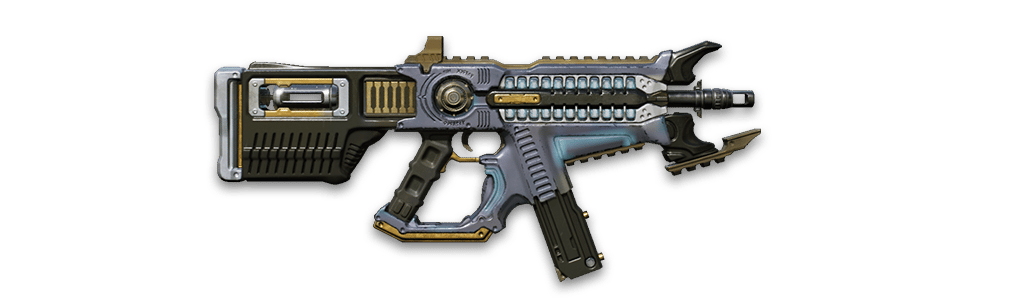
Thunder Cage: inspect weapon level, modules and Unique Ability separately.
Investment order and Ultimate Lepic
Learn the rotation and select the main activity.
Enhance HP and the core Fire/Tech cards.
Choose a functioning reactor and weapon.
Add resource and duration, or range and repeatability.
Check the complete enhanced-module cost.
Use an Activator and Catalysts for the tested layout.
When moving to Ultimate Lepic, account for the Skill Modules available to that version. Firearms Master and Explosive Stacks should not be included as requirements for normal Lepic. Decide whether they change the build's purpose before rebuilding around them.
Frequently asked questions
Is Ultimate Lepic mandatory?
No. Normal Lepic can teach the base skills and support a working foundation. Ultimate expands specialization options.
Which reactor supports Overkill?
For the base skill, prioritize Fire and Tech, then inspect the Optimization Condition and useful additional options.
Should HP be removed for damage?
Only after the setup consistently survives the intended activity. Keep defenses while learning.
Is this an absolute best-in-slot layout?
No. It is a specific foundation with flexible choices. The best version depends on the skill module, budget, target and operation conditions.